
Palma invests millions in Parc de la Mar — appealing figures, open questions
Palma invests millions in Parc de la Mar — appealing figures, open questions
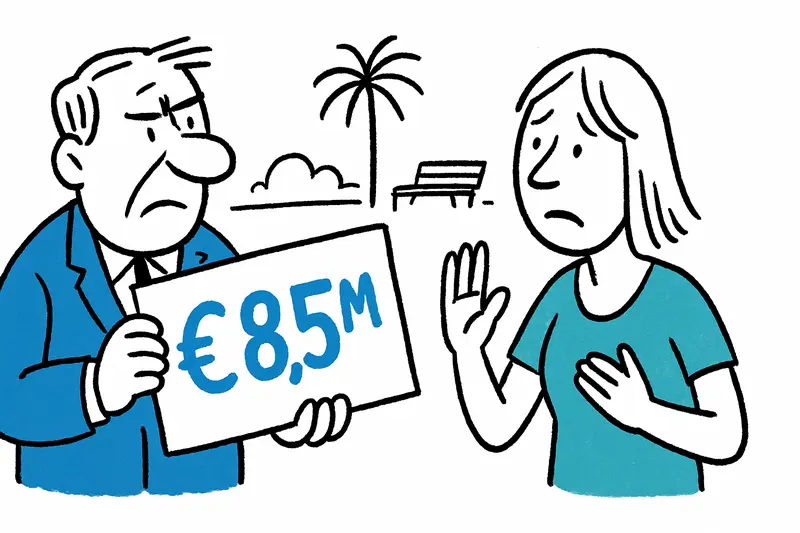
The city of Palma plans an extensive renovation of Parc de la Mar: €8.5 million, of which €6 million comes from the tourism tax. Good intentions, but how sustainable is the project really?
Palma invests millions in Parc de la Mar — appealing figures, open questions
Key question: Is money alone enough to make Parc de la Mar fit for the future?
Palma has approved the second phase of works on Parc de la Mar: €8.5 million are to be invested in new paths, improved accessibility, fountains and green spaces. Six million of this sum comes from the tourism tax; the remainder comes from the municipal budget, a choice discussed in €624 million for Palma: Big Money, Many Open Questions. In addition, the redesign of Plaça del Mercat and Carrer Unió is budgeted at €4.4 million. According to the plan, construction work will start in the last quarter of this year and is expected to take around 20 months, as covered in Parc de la Mar: 20 months of construction – curse or opportunity for Palma?.
At first glance: sensible. Parc de la Mar lies directly beneath the cathedral; it is one of the few urban oases where residents, pigeons and tourist groups meet. Anyone who strolls there on a mild evening — the distant ringing of bells, the sound of the sea and the occasional squeak of a stroller — immediately understands why the area needs improvement. But the issue has several layers that are often missing from the public discussion.
Analysis: what the numbers do not say. €8.5 million sounds like a clear investment, but using the tourism tax as a funding source raises questions. For whom is the money intended: for the visitors who generate the tax revenue, or for the people who live in the city every day? If €6 million comes from tourism levies, it must be made transparent which services tourists actually receive — and which benefits residents get. In addition, there is so far no clear breakdown of the ongoing costs after the work is completed: who will pay for maintenance, irrigation and the technical upkeep of the fountains? Without these figures, the municipality could later face follow-up claims that must be covered from the regular budget.
Accessibility is mentioned — an important goal. But the label alone is not enough: access routes, kerb heights, seating, tactile guidance systems and public toilets must meet concrete standards. There is a difference between 'better accessibility' meaning replacing a few steps with ramps, and meeting specific norms that actually make visits easier for seniors, parents with strollers and people with disabilities.
Another point: water. The planned fountains are nice for the photo album, but in a region where groundwater management and water scarcity are recurring issues, it must be clarified how much drinking water will be consumed. Sustainable alternatives would be circulating systems with rainwater reuse or the integration of freshwater reservoirs fed with treated operational water.
What is missing from the debate: local citizen participation. In the haste of a budget decision, the sense for the neighbourhood is often lost. Market traders from the Mercat, dog owners at the edge of the park, older people who walk here daily — their perspectives are valuable. A short citizens' meeting or a transparent online dialogue could clarify simple questions: Which paths are actually used? Where do light installations cause disturbance at night? Which trees are worth preserving?
Concrete approaches. First: a publicly viewable maintenance plan with annual costs so the city is not caught out later. Second: binding accessibility standards to be checked at acceptance. Third: a water concept for the fountains with rainwater use and sensors to minimize consumption. Fourth: construction phases that barely affect events and access — so market stalls, deliveries and pedestrians are not left stranded during the high season. Fifth: a small citizens' advisory board of residents, business owners and experts to advise during construction and to oversee maintenance afterward.
An everyday scene to reflect on: on a Tuesday morning an older woman sits on a park bench at the edge of Parc de la Mar, feeds two pigeons and watches school classes pass by. She is not an activist, just an observer of daily life. For her it matters that the path to the town hall stays level, the bench is sturdy and the access to the toilet is not ten metres away. Such small needs are easily lost in large financial plans.
Conclusion: the planned investments can do good for Parc de la Mar. For the money not to be only a pretty sight, however, more is needed than construction plans: transparent accounting of costs, clear criteria for accessibility, sustainable water management and genuine participation by the people who use the park. Then a nice idea can become a long-term functioning place — otherwise there will be later discussions about follow-up costs and benefits that could be avoided today. Palma has the chance to get it right. The question is whether the city administration will use it or reduce the project to a mere display area for a new stone bench.
Frequently asked questions
What is Palma planning to change in Parc de la Mar?
How much is Palma investing in Parc de la Mar?
When will the Parc de la Mar works start and how long will they take?
Will Parc de la Mar become easier to access for people with limited mobility?
Are fountains in Parc de la Mar a concern in Mallorca's dry climate?
Why is Palma using tourism tax money for Parc de la Mar?
What should residents near Parc de la Mar expect during the construction period?
What other Palma areas are being redesigned alongside Parc de la Mar?
Similar News

When the Wallet Becomes a Danger: Attack in Peguera and Lessons for Mallorca
In Peguera, two women are said to have stolen the wallet from a 75-year-old German couple. When the victim intervened, t...
Plata stays Plata: Young people take over, Llonguets remain
A small bar on Carrer de l'Argenteria will continue: Tolo Serra hands the place over to young Mallorcans at the end of t...

Unnoticed in the Luggage Compartment: How a Boy Traveled More Than 100 Kilometers in a Team Bus
A minor traveled in the undercarriage of a team bus for more than 100 kilometers until his cries for help were heard. A ...

Cap Vermell Grand: Second Michelin Key – a Gift for the East
The Cap Vermell Grand in Capdepera has been awarded its second Michelin key. For the region this elevates the luxury off...
Eurowings lets four aircraft carry names – a friendly idea that also reaches Mallorca
Eurowings is launching a campaign: four Airbus A320s are to carry the first names of people who help others in everyday ...
More to explore
Discover more interesting content

Can Cap de Bou

Townhouse Lleo 72
