
After Dog Bite in Palmanyola: Victim Receives Fine – Who Protects the Helpers?
After Dog Bite in Palmanyola: Victim Receives Fine – Who Protects the Helpers?
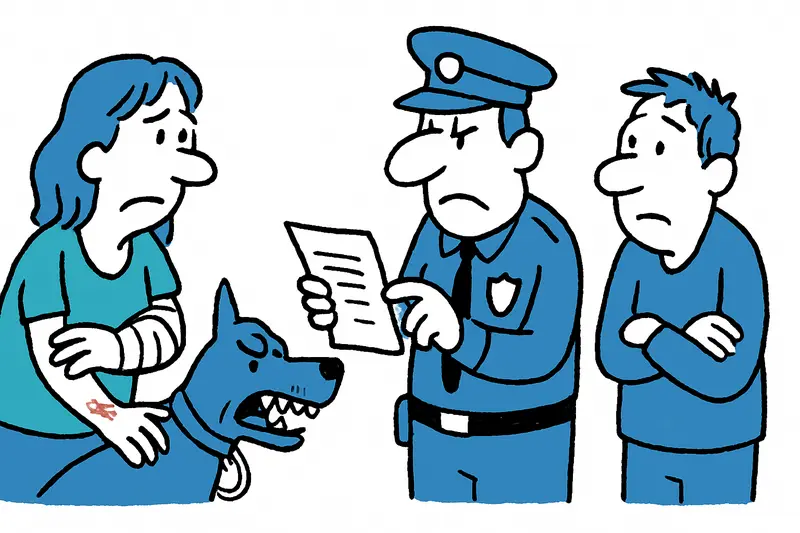
A volunteer at the Son Reus animal shelter was bitten by a partially blind dog and seriously injured. Now the local police have imposed a fine because she did not have a permit to keep potentially dangerous dogs. Why are the helpers being targeted?
After Dog Bite in Palmanyola: Victim Receives Fine – Who Protects the Helpers?
Key question: Who protects the people who rescue animals?
On July 21, a volunteer from the Son Reus animal shelter was seriously injured while trying to put a muzzle on a dog. The dog, known at the shelter as "Bruno", is said to be partially blind and was in the adoption process. The victim was taken to the Son Espases clinic with bite wounds and broken arms; surgical procedures were necessary. The animal welfare organization Cepad took custody of the animal and brought it to quarantine in Santa Eugènia. Shortly afterwards the local police of Bunyola imposed a fine on the injured helper because she allegedly did not have the required permit to keep potentially dangerous dogs. According to reports, the range of possible penalties is between 2,400 and 15,000 euros.
That is odd at first glance: here is a person who apparently cared for an animal in a compassionate context, suffered serious injuries and is afterwards held legally responsible. At the same time police sources reported that the dog had already bitten another person days earlier on Menorca. The facts therefore show an animal with a documented risk and an incident in which protection for people and clear rules would have been necessary.
Critical analysis: The current situation reveals several problem areas. First: the law regulating the keeping of potentially dangerous dogs aims at prevention and safety – which is correct. Second: there apparently is a lack of a coordinated practice on how shelters, volunteers and authorities should handle individual cases. If an animal already has a history of biting, transport, accompaniment to the clinic and assessment should be more strictly and bindingly regulated. Third: the sanction against the injured helper appears as a bureaucratic reflex that does not solve the actual problem – the danger posed by the animal – and furthermore deters people from getting involved, whereas courts have held municipalities liable in incidents such as Palma must pay €106,700: Ruling after fall in unlit dog zone.
What is underrepresented in the public discourse: the perspective of the helpers. Volunteers in shelters often work under time and personnel pressure; they are not automatically to be seen legally as dog owners when an animal is only temporarily in the shelter or in an adoption process. There is also a lack of systematic follow-up of incidents between islands: a bite on Menorca and another incident on Mallorca should be linked centrally and quickly so that authorities and shelters can correctly assess the risk, as in cases such as Who Is Responsible? Dog Injures Four-Year-Old on Playground in Son Armadans.
Everyday scene: Whoever walks past the animal clinic in Palmanyola in the early morning hears the cicadas, sees the ambulance lights and the stressed helpers with dog crates. Next to the clinic residents discuss while a volunteer quietly treats her hands with wound ointment; a muzzle hangs on the leash as a mute reminder that some animals bring invisible risks. The mood is a mixture of relief that help arrived and uncertainty because the rules are unclear.
Concrete solutions: 1) Immediate measure: municipalities and animal protection authorities should create an exception or transitional rule for recognized shelters and registered volunteers that applies to animals in need of transport, so that helpers are not automatically considered owners and thus subject to fines. 2) A unified reporting and data form for bite incidents in the Balearic Islands that links incidents between islands. 3) Obligation for dangerous or previously biting animals to be accompanied by trained personnel during transport to clinics; provided, certified safety equipment (muzzles, transport boxes) funded by municipalities or at the regional level. 4) Cost and victim protection: a fund or insurance for helpers who are injured in missions, as well as rapid medical and psychological support. 5) Training: free courses for volunteers on risk assessment, safe handling and legal matters.
These proposals are practically implementable and would achieve two things: they protect people and clarify liability issues without criminalizing volunteers. At the same time they would create transparency so that animals with a dangerous history can be better categorized; the wider debate about our responsibilities to animals is reflected in cases such as Female dog in a trash container: What the Pollença case says about our relationship with animals.
Punchy conclusion: It is hardly justifiable that a woman who wanted to accompany an animal and was severely injured must now expect a fine due to lacking authorization. The political direction must be clear: protection from dangerous animals and protection of those who help. Whoever wants both must design the rules so that they work in practice and do not punish the helpers. The next sensible debate on the islands must therefore not only revolve around penalties, but around sensible procedures, liability questions and protection mechanisms for people and animals alike.
Frequently asked questions
When is the best time to visit Mallorca for beach days and outdoor activities?
What should I pack for a trip to Mallorca?
Is it safe to swim in Mallorca and what should I watch for at the beaches?
What are good family-friendly beaches in Mallorca?
How can I get around Mallorca without a car?
What natural landscapes and day trips should I consider in Mallorca?
What is the best time for swimming in Mallorca and how do sea conditions vary?
Are there cultural events or local tips to know when visiting Mallorca?
Similar News
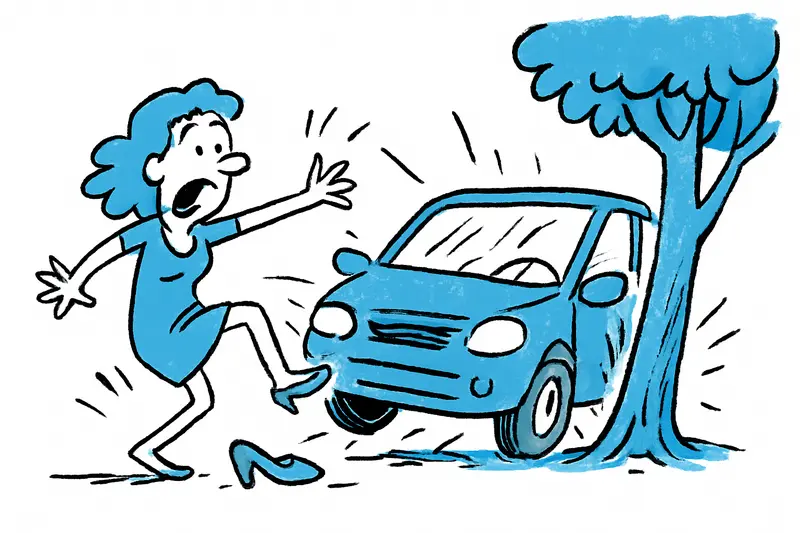
High heel slips, car accelerates: accident on Camí de Son Hugo
A woman lost a high-heeled shoe on the forecourt of the sports facility at Camí de Son Hugo. The car accelerated, mounte...

Phone Scam: How Two Hotel Employees at Playa de Palma Lost Thousands of Euros
One morning in September, two reception employees at Playa de Palma were pressured by alleged alarm-company staff — in t...

When the Wallet Becomes a Danger: Attack in Peguera and Lessons for Mallorca
In Peguera, two women are said to have stolen the wallet from a 75-year-old German couple. When the victim intervened, t...
Plata stays Plata: Young people take over, Llonguets remain
A small bar on Carrer de l'Argenteria will continue: Tolo Serra hands the place over to young Mallorcans at the end of t...
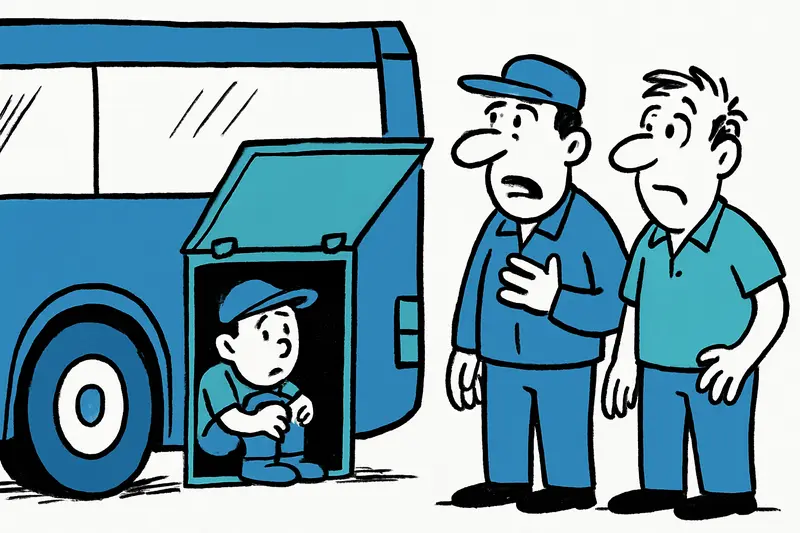
Unnoticed in the Luggage Compartment: How a Boy Traveled More Than 100 Kilometers in a Team Bus
A minor traveled in the undercarriage of a team bus for more than 100 kilometers until his cries for help were heard. A ...
More to explore
Discover more interesting content

Can Cap de Bou

Townhouse Lleo 72
