
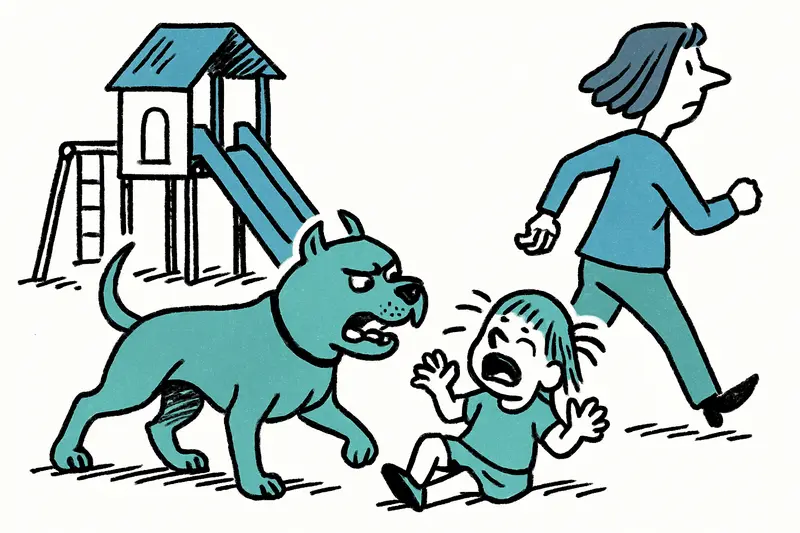
Who Is Responsible? Dog Injures Four-Year-Old on Playground in Son Armadans
A free-roaming dog injured a four-year-old girl at the playground near Carrer de Mallorca. The scene reveals how wide the gap is between regulations and everyday life — and that fines alone are not enough.
Fear on the playground in Son Armadans: A moment that echoes for a long time
Yesterday at around 5:15 p.m., the small playground near Carrer de Mallorca, as described in the Mallorca Magic report on a playground attack in Palma, turned from a familiar meeting place for afternoon visits into a scene of disbelief. Children's laughter, the clatter of plastic buckets and the faint hum of cicadas fell silent when a large dog ran onto the climbing frame and caused facial injuries to a four-year-old girl. Witnesses report the animal was off-leash and without a muzzle. Emergency responders treated the child at the scene; her grandmother later took her to the hospital for further examination. Fortunately, the physical injuries are not life-threatening — but the shock runs deep.
The question on everyone's mind: Who is to blame?
That is the question residents of Son Armadans are asking as the evening light slowly dims over the palm trees. Legally, the lines in Palma are clear: leash requirements, mandatory safety measures for dogs classified as dangerous, and liability rules for owners, as outlined in the Spanish regulations on dangerous dogs (Wikipedia). But there is a gap between the statutes and the noisy reality of the city. According to witnesses, the owner left the area before police and paramedics arrived — some residents describe her as uncooperative. Investigations are ongoing, and similar cases have been covered elsewhere, for example the Mallorca Magic report on a pitbull injuring a four-year-old in Palma.
More than fines: Consequences that are often overlooked
Public debate quickly leans toward calls for punishment: higher fines, confiscation, perhaps even criminal charges. That is too narrow. Hardly anyone talks about the psychological effects on the girl: nightmares, sudden unease in parks, fear of unfamiliar dogs. These consequences are less visible but should not be downplayed. Also underexamined are the lack of dog owner education, cultural differences in handling animals, and the reality of urban oversight — playgrounds are meeting places, not guarded facilities. Similar incidents and their aftermath have been reported, such as in the Mallorca Magic coverage of a playground dog bite near a school in Palma. In the evenings scooters roar by, voices from the nearby market mingle with the day's heat, and nobody can be everywhere at once.
What neighbors demand — and why it is not enough
On site I hear the same suggestions as everywhere: more checks, visible signs at every entrance, regular patrols by the public order office. All of that is correct, but piecemeal. If the problem lies in the lack of awareness or knowledge of individual owners, controls alone help only to a degree. In addition, the city and police often lack staff and flexible deployment times to be active precisely in the late afternoon — exactly when playgrounds are full.
Pragmatic, immediately implementable steps
We need measures that act quickly and improve everyday life: more visible, multilingual signs at all playground entrances; informational flyers in daycare centers, primary schools and neighborhood centers; targeted awareness days with dog trainers and veterinary offices; voluntary playground sponsorships by residents who keep an eye on things during peak times. Crucial is to adapt enforcement times, not just operate during classic office hours. A flexible public order office that plans its patrols according to actual usage patterns would help a lot.
Long-term solutions that tie responsibility together
In the long term, Mallorca needs a comprehensive concept: mandatory knowledge and training courses for owners of large or officially classified dangerous dogs; binding proof requirements when registering certain breeds; a unified digital reporting system for incidents so authorities can react faster and identify dangerous spots. Data protection and animal welfare are important limits — but they must not be used as an excuse to avoid standards and verifiability. Municipal programs for dog training should also receive financial support — education costs less than a hospital stay and reassures neighborhoods.
What parents and residents can do now
In the coming weeks vigilance is required: keep a close eye on children, keep toys within safe reach and avoid being distracted by smartphones. If you saw or photographed anything: report it to the police. Every observation helps to reconstruct events more accurately. And talk to each other: a short conversation with a dog owner can sometimes achieve more than a fine. At the same time, calls for punishment must not be the only response — prevention and education are decisive.
The incident in Son Armadans shows once again: public spaces only work when responsibility is shared. Playgrounds are meant for children. Keeping them that way is the task of owners, neighbors and authorities — not of just one of them.
Frequently asked questions
What should parents do after a dog incident on a playground in Mallorca?
Are dogs allowed on playgrounds in Palma and Mallorca?
What should I pack for a family trip to Mallorca if we plan to use playgrounds?
Why do playground incidents in Mallorca cause such concern among residents?
What is the risk of a dog attack near Carrer de Mallorca in Son Armadans?
Can a dog owner in Mallorca be fined after a playground injury?
How can residents help prevent dog incidents in Mallorca playgrounds?
What long-term measures could improve dog safety in Mallorca?
Similar News
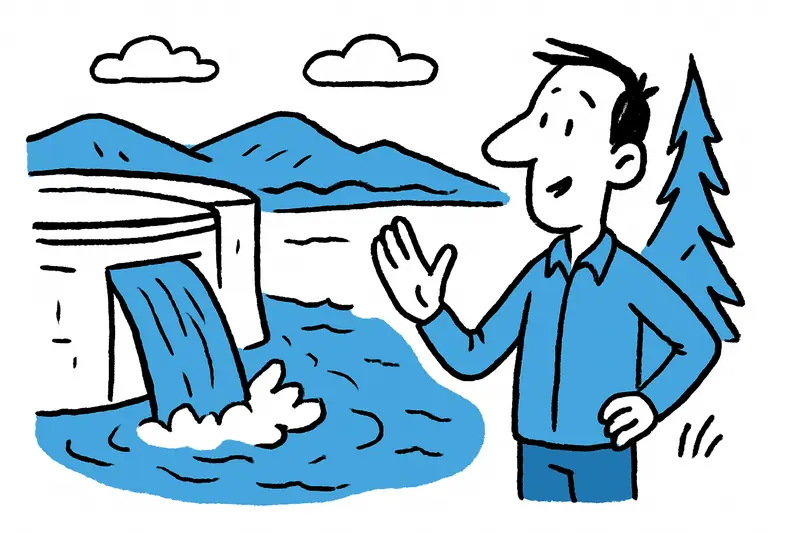
More water than last year: Mallorca's reservoirs breathe easier
September rain refilled the Tramuntana's reserves: overall fill around 35 percent, Cúber at 40.42 percent, Gorg Blau at ...
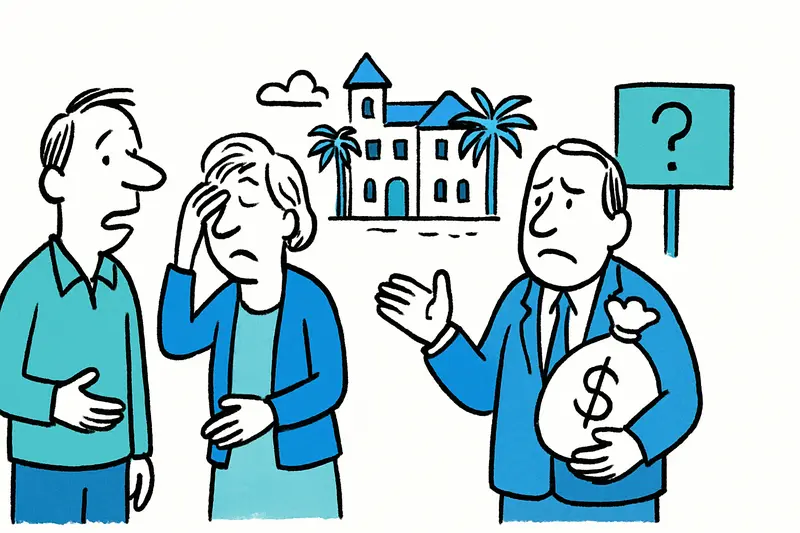
Three Luxury Hotels in Banyalbufar: Lots of Money, Many Questions
A Danish investor plans three exclusive accommodations in Banyalbufar — including the historic Son Valentí. The announce...
2.1 tonnes of cocaine on sailing yacht off Spain's coast – a reality check for the coastguard
A 14-metre yacht was seized with 2.1 tonnes of cocaine. Who monitors the ports, how does the international hunt succeed ...

Heat Bonus in Mallorca: 100 Euros Extra for Outdoor Staff at MarSenses
MarSenses pays employees who worked outdoors in August an extra €100 as recognition. Lighter uniforms, reduced hours for...
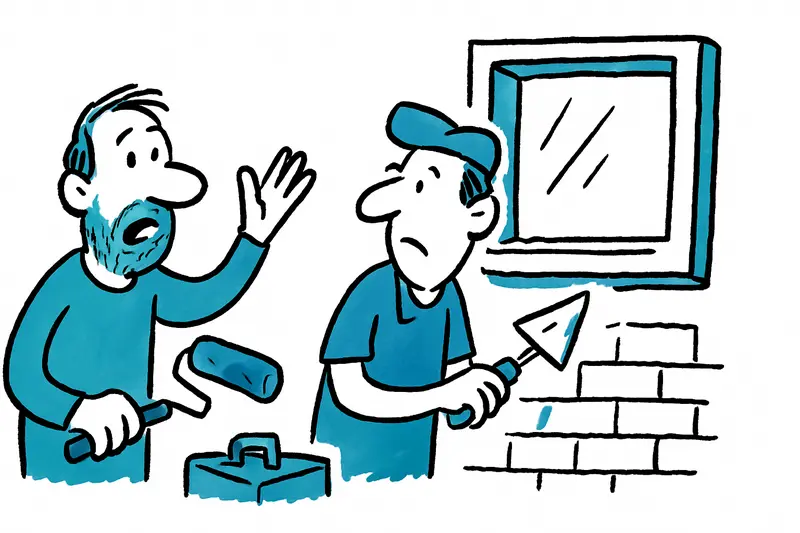
Renovating in Mallorca: What You Really Can Do Without Neighbour Consent
Many think they can do whatever they want in their apartment. That's partly true — but only as long as structural elemen...
More to explore
Discover more interesting content

Can Cap de Bou

Townhouse Lleo 72
