
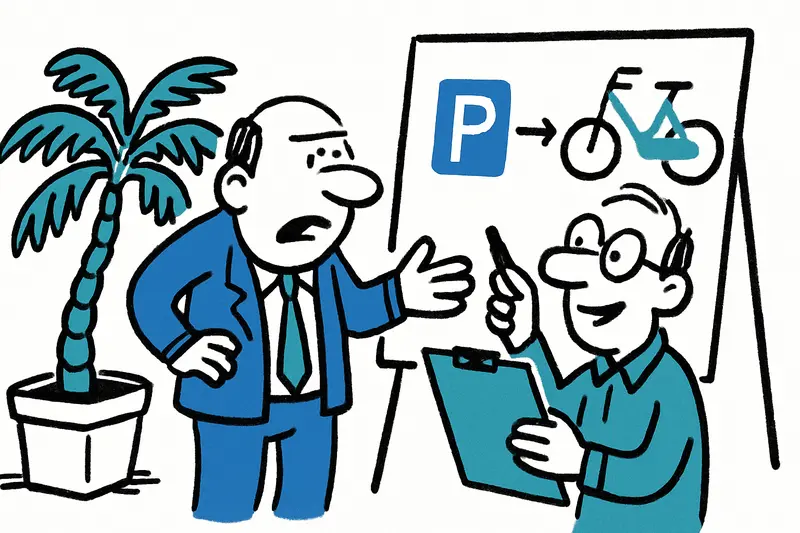
Palma 2026: More Parking Spaces, 230 E‑Bikes — Opportunity or Detour?
SMAP plans additional parking areas, modernisations and 23 BiciPalma stations with 230 e‑bikes for 2026. A chance for better mobility — or an incentive for more car traffic?
Palma 2026: More Parking Spaces, 230 E‑Bikes — Opportunity or Detour?
If you walk along the Paseo Marítimo in the morning, you know the mix: the sound of the waves, the clinking of espresso cups, joggers doing their rounds — and now and then the nervous honk of a vehicle looking for a space. The municipal parking company SMAP expects around €20 million in revenue for 2026 and wants to invest a large portion in more parking space, the modernisation of car parks and in BiciPalma: 23 new stations and 230 e‑bikes are planned. Palma's balancing act: More parking — more e-bikes — can they coexist?
Key question: Does this really ease mobility — or does it cement old patterns?
On paper the figures sound tempting: roughly five percent additional revenue, €400,000 for safety measures in car parks, investments in a rental system targeting beach accesses and promenades. But the crucial question remains: Will Palma really become less chaotic with additional space, or will the city simply encourage more car use? This is not an academic nuance but the debate that must now take place in the budget discussions, and other nearby municipalities provide cautionary examples, such as Andratx creates 400 new parking spaces – who really benefits?.
What is planned — and what often remains beneath the surface
Areas mentioned include Playa de Palma, along Eusebi‑Estada Street and improvements to the Avenidas car parks. Lighting, cameras and modern access systems should provide security. Good: more BiciPalma stations at beach accesses match the needs of tourists and commuters. On paper many things add up. In reality, questions lurk: Exactly where will the parking spaces be created? Will trees have to be cut down? Will additional land be sealed? And who will later measure whether the classic effect occurs — the so‑called induced demand? For discussion of a specific site conversion see From Lluís Sitjar to a Parking Lot: Palma Plans 131 Parking Spaces – Relief or Relocation?.
Induced demand means: more parking can reduce cruising traffic in the short term but attract more car trips in the long run. Urban planners have seen this often. Short term, residents breathe a sigh of relief: fewer honking vehicles outside their homes. Long term, the situation can worsen if the increased supply creates trips that were not made before.
What residents and users really need
A chat in a bar in La Lonja puts it pragmatically: two neighbours welcome the e‑bikes but fear “even more cars outside the front door.” For people who use the Avenidas in the evenings, good lighting in the car park is not a luxury. Beachgoers want short, safe routes — and that is not automatically synonymous with more asphalt.
Planning must not be limited to counting parking spaces. Targets should be: less cruising traffic, shorter walking distances, safe bicycle connections and lower emissions in residential areas. Otherwise the e‑bikes remain just a nice add‑on to the rising flow of cars.
Concrete opportunities and practical solutions
The planned funds offer real scope for design — if Palma uses them wisely. Proposals that should be on the table now include:
1. Mandatory environmental assessments: Before any new area is created there should be a binding environmental and soil sealing assessment. If trees are affected: replacement plantings or even translocation instead of clear‑cutting.
2. Choice of materials and infiltration: Where possible, porous surfaces instead of pure asphalt, integrate rainwater management and avoid heat islands.
3. Prioritised parking: New spaces could be reserved for carsharing, delivery vehicles or people with reduced mobility — instead of long‑term parkers.
4. Properly networked BiciPalma: Charging and maintenance points with green electricity, clear, segregated bike lanes to the stations, secure parking areas. E‑bikes need protection from pedestrian interference and delivery traffic.
5. Pilot projects with KPIs: Before a large‑scale rollout, pilot zones should be tested — with clear indicators: target daily rental numbers, reduction of cruising traffic in defined neighbourhoods (e.g. Avenidas), air quality measurements, resident satisfaction surveys.
What happens next — and how you can have your say
The budget draft is in place; the council debates begin. If all goes well, measures could start in 2026. Until then there is still time to influence the plans: residents’ forums, neighbourhood conversations and detailed maps showing where to park and where to green. Transparency is important now — a map with proposed areas would be a good start.
When you walk along the Paseo Marítimo again in the morning, you may soon hear not only less honking but also the hum of e‑bikes. For that hum not to become an audible symbol of half‑baked planning, Palma needs clear goals, bold requirements and the involvement of the people who live here. Otherwise a chance will become just a detour.
Frequently asked questions
Will parking in Palma get easier in 2026?
What is Palma planning for BiciPalma in 2026?
Will more parking in Palma reduce traffic or make it worse?
Where could Palma add new parking spaces in 2026?
How much is Palma spending on parking and e-bikes in 2026?
What should Palma residents watch for in the new parking plans?
Are Palma’s new parking plans good for beach access?
When could Palma’s parking and BiciPalma changes start?
Similar News
Masked Images, Real Panic: When Social Media Aesthetics Alarm Neighbors
Five German content creators filmed on a recently vacated detention site using deceptively realistic props. The result: ...
Why the Striped Breams in Cala Pí Should Be a Wake-up Call
Once again bathers in Cala Pí were surrounded while swimming by small, nippy fish — some wounds bled. Time for clear rul...
Daily from New York: How Palma's Air Traffic Is Growing — and What Must Change
United will increase the Newark–Palma service to daily flights in 2027 (Boeing, 231 seats). Strong tourist numbers clash...

When Love Ends in Shards: Destruction in Son Vida and the Questions That Remain
In Son Vida a relationship dispute escalated: a woman destroyed furniture in a luxury villa, later pressed a panic butto...
Who Bears the Burden? Mallorca Between Tenant Protection and Landlord Fears
Madrid's new housing decrees strengthen tenant rights — but on Mallorca concern is growing: will the law drive small lan...
More to explore
Discover more interesting content

Can Cap de Bou

Townhouse Lleo 72
