
When Even the Periphery Breaks the 300,000‑Euro Mark – Palma and the Fight for Affordable Housing
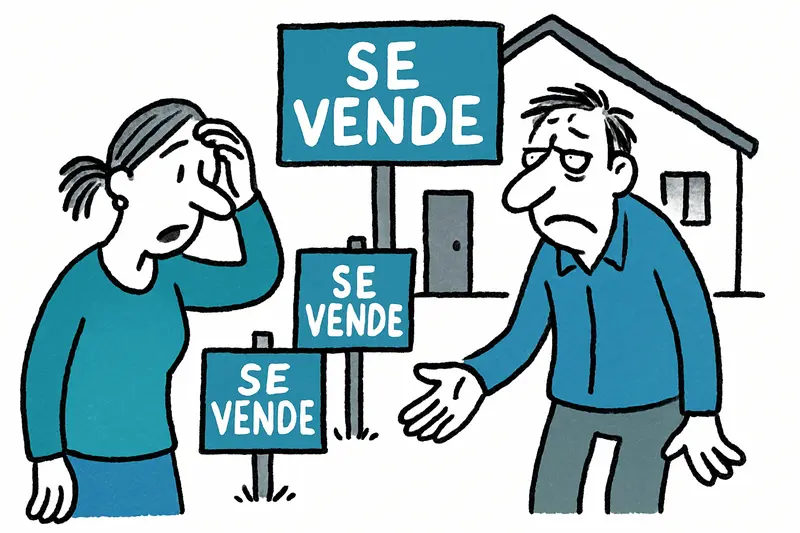
At the bus stop on Carrer Aragón there were recently three new "Se vende" signs. Even neighborhoods on the outskirts are reaching average prices that shatter many future plans. What options remain for average earners in Palma?
How can Palma secure affordable housing when even the periphery breaks the 300,000‑euro mark?
Last week, just before eight, I was standing at the bus stop on Carrer Aragón. A delivery van honked, somewhere a pigeon collector called "bona dia" and in a side street three fresh "Se vende" signs were blinking – three at once. Such signs used to be rarer on the outskirts. Today they act like a monument: the crisis does not only cut through the old town, it is creeping into neighborhoods once dismissed as “cheap”, as explored in Palma: Incluso las Zonas Periféricas Superan la Marca de 300,000 Euros – Comprar se Convierte en un Desafío.
The numbers – short and painful
In districts like Son Forteza or El Rafal the average price is currently about 3,311 euros per square meter. Extrapolated, that means a 90‑square‑meter apartment sits just under the 300,000‑euro mark – and that without surprising legacy issues or expensive parking spaces. Across the Balearic Islands, apartments are traded on average for around 396,573 euros, well above the Spanish average of about 226,226 euros. In Santa Catalina prices often start beyond 500,000 euros. That stands out; this trend is examined in depth in Buying and Renting in Mallorca: Why Prices Are Pushing Locals to the Edge — and What Could Help Now.
Critical question: What is left for the average family?
Those who work here but do not earn well face hard choices: commuting instead of living in central Palma, flatshares instead of one’s own four walls, or moving out to places like Marratxí or Santa Maria, where land prices can still be 15–25 percent lower. The problem: commuting means more time on buses, more rush hour traffic and less proximity to schools and friends. Small sacrifice, big consequences.
Aspects that are discussed too little
The public debate often stays on the surface: prices, tourists, short‑term rentals. Less discussed is how renovation needs, bureaucratic hurdles and ancillary costs unmask supposed “bargains.” Whoever buys a cheap old building quickly stumbles over permits, asbestos removal, structural problems – and bills that blow the initial budget. The role of vacant shops and office spaces as potential housing is also rarely tackled systematically.
Which solutions are realistic?
The debate needs concrete answers, not just appeals. In the short term, faster approval processes for conversions could help: turning vacant commercial spaces into micro‑apartments or intergenerational housing would be a lever. In the medium term, tax incentives for owners who rent their flats at socially acceptable long‑term prices are conceivable. Publicly subsidized housing must regain priority – not as a drip, but as a measurable wave; for a set of policy ideas see Why Palma is expensive — and what could be done now.
Opportunities that are often overlooked
There are niches: cooperative housing, building groups or state‑funded renovation programs with conditions for affordable rents. Better coordination between urban planning and transport development could also ease the problem: reliable, fast bus lines or express connections between the periphery and workplaces make commuting more bearable and relieve the city center.
An everyday example: in El Vivero you currently pay just over 3,100 euros per square meter – this is still the “last” affordable option in the city. But good public transport connections and new shops have improved the reputation – and promptly increased demand. Gentrification in fast motion.
What local politics and citizens can do
The city administration could set a quota for affordable housing in new construction projects. Equally important: transparent information for buyers and tenants about total actual costs (taxes, renovation, ancillary costs). Citizen initiatives and neighborhood projects can make vacant spaces visible and create pressure for conversion. And yes: a bold step would be to regulate short‑term rentals more strictly in certain neighborhoods and channel the revenues specifically into social housing.
A small, hopeful outlook
The dream of owning an affordable home in Palma does not get easier, but it is not completely lost. Those who are flexible, willing to compromise and support local initiatives will find niches. What matters is that the city sets the guardrails so these niches do not remain one‑day wonders. Otherwise, all that will remain in the end is the dull rattle of a bus on Carrer Aragón – and another “Se vende” sign clattering in the wind.
Conclusion: For average earners the housing market in Palma is a serious challenge. Analysis instead of rhetoric, bold political measures and concrete instruments to create affordable housing may not solve all problems at once, but they would show: Palma cares for the people who live and work here, not only for investors.
Frequently asked questions
Why is housing in Palma so expensive even in the outskirts?
When is the best time to buy property in Mallorca if you want a lower price?
Can you still find affordable apartments in Palma?
Is it cheaper to live outside Palma and commute in?
What should I budget for when buying an old flat in Mallorca?
Could vacant shops in Palma be turned into housing?
What is happening with housing prices in Son Forteza and El Rafal?
What can Mallorca do to make housing more affordable for locals?
Similar News

Why the Striped Breams in Cala Pí Should Be a Wake-up Call
Once again bathers in Cala Pí were surrounded while swimming by small, nippy fish — some wounds bled. Time for clear rul...

Daily from New York: How Palma's Air Traffic Is Growing — and What Must Change
United will increase the Newark–Palma service to daily flights in 2027 (Boeing, 231 seats). Strong tourist numbers clash...

When Love Ends in Shards: Destruction in Son Vida and the Questions That Remain
In Son Vida a relationship dispute escalated: a woman destroyed furniture in a luxury villa, later pressed a panic butto...
Who Bears the Burden? Mallorca Between Tenant Protection and Landlord Fears
Madrid's new housing decrees strengthen tenant rights — but on Mallorca concern is growing: will the law drive small lan...
On the Edge: What Mallorca's Airport Loses If a Major Low-Cost Carrier Falters
The company that operates numerous connections from Palma to France and domestically is negotiating with creditors to re...
More to explore
Discover more interesting content

Can Cap de Bou

Townhouse Lleo 72
