
Why Palma is expensive — and what could be done now
Rent, electricity, groceries: Palma is among the more expensive places in Spain. Why that is — and which measures the city can take now.
Why Palma is expensive — and what could be done now
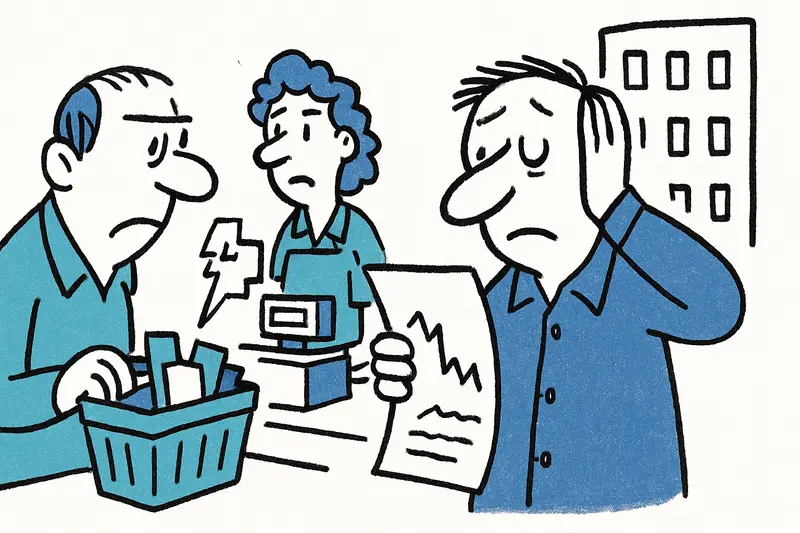
You can hear it in conversations on the Paseo del Born, feel it at the bakery in Santa Catalina: money doesn't stretch like it used to. Rent, the electricity bill, the weekly shopping — together they pull in the same direction, and the result is visible and tangible: Palma now ranks among Spain's most expensive cities. The question therefore is not only "How expensive is it?", but above all: How can Palma remain affordable for the people who live and work here?
Rent eats up the budget — a problem with island DNA
The most obvious problem is the housing market; a recent study placing Palma as the second most expensive city in Spain highlights these pressures. In many neighbourhoods landlords ask amounts for an average family apartment that are above the Spanish average. You often hear concrete everyday experiences: teachers, tradespeople, young families — they all report moving, compromises on living space, or longer commutes. A frequently mentioned example is monthly rents of around €2,100 for an approximately 90-square-meter apartment in central locations. These sums leave, especially with only moderately rising wages, little room for other expenses.
More than just four figures: electricity, supermarket, a tank of gas
But it's not only rents. On an island costs add up quickly: annual electricity bills around €800, an average shopping basket of about €520 per month and petrol prices that make a full tank cost around €80 — all of this makes the household bill bitter. Even a coffee or an after-work beer is no longer a harmless luxury when half a litre in a bar quickly costs about €4. These figures are also documented in coverage of rents, electricity and supermarket prices in Palma.
Why Palma is more expensive than many mainland cities
Some of the causes are typical for an island: transport costs for imported goods, limited housing space in attractive areas, strong demand for holiday apartments and seasonal price fluctuations due to tourism. Added to that are general factors such as higher energy costs and supply bottlenecks that push prices up. At the same time visitors' expectations regarding service and infrastructure grow, creating additional pressure on local providers — and thus on prices.
The other side of the equation: income and purchasing power
It's not enough to look only at prices. What matters is the relation to incomes. In Palma expenses are rising faster than median net wages — that means real purchasing power is declining. This leads to adjustments in everyday life: smaller flats, eating out less often, longer journeys to work, shared rides or multiple jobs for younger people. Some seriously consider moving to the mainland.
Factors that are often overlooked
Little discussed is how much bureaucracy and planning exacerbate the problem: long approval procedures for social housing, unused building gaps, and inactive vacancy registers allow inefficient use of space. The distribution of tourist income also often remains unequal — the visibility of luxury offers drives up nearby prices without profits always staying locally. Finally, the role of energy efficiency is underestimated: old buildings with poor insulation permanently drive up electricity and gas costs.
Concrete levers — what can help in the short and medium term
There is no miracle solution, but several levers that must work together. In the short term the city can:
- Actively track vacancies and bring unused apartments to the market, for example through temporary tax incentives or sanctions.
- Expand targeted subsidies for households with low incomes for energy and rent costs.
In the medium term structural changes are needed:
- More social housing, approved faster and built on municipal land.
- Promote energy efficiency in old buildings (insulation, solar systems, community energy projects) to reduce running costs.
- Regulation and transparency for short-term rentals, combined with incentives for long-term lease contracts.
And last but not least: better mobility options so people can live further away without commuting becoming a financial trap.
Everyday tips — creative and pragmatic
Many Mallorcans have long since improvised: neighbourhood bulk shopping, energy-saving clubs, cooking together instead of eating out, or second-hand instead of new goods. Markets, local producers and swap meets are gaining importance. These practices relieve pressure in the short term — but in the long run they need accompanying political measures so they don't only stabilise individual fates. This local improvisation contrasts with findings in a report on rising room prices on Mallorca about how shared flats are becoming more costly for young people.
On the Paseo del Born, when the Tramontana strokes the palms and café chairs creak in the evening light, you hear both: pride in a lively city and quiet worries about rising costs. Palma still sparkles — but the question remains how long residents can finance that sparkle without the city losing its face.
Note: Figures and examples reflect general tendencies; individual situations vary.
Frequently asked questions
Why is Palma so expensive compared with other cities in Spain?
How much does rent cost in Palma right now?
Is daily life in Palma more expensive than on the Spanish mainland?
How much do electricity and groceries cost in Palma?
Why are short-term rentals a problem in Palma?
What can Palma do to make housing more affordable?
How are people in Mallorca coping with higher living costs?
What makes Palma different from other expensive cities in Europe?
Similar News
Why the Striped Breams in Cala Pí Should Be a Wake-up Call
Once again bathers in Cala Pí were surrounded while swimming by small, nippy fish — some wounds bled. Time for clear rul...
Daily from New York: How Palma's Air Traffic Is Growing — and What Must Change
United will increase the Newark–Palma service to daily flights in 2027 (Boeing, 231 seats). Strong tourist numbers clash...

When Love Ends in Shards: Destruction in Son Vida and the Questions That Remain
In Son Vida a relationship dispute escalated: a woman destroyed furniture in a luxury villa, later pressed a panic butto...
Who Bears the Burden? Mallorca Between Tenant Protection and Landlord Fears
Madrid's new housing decrees strengthen tenant rights — but on Mallorca concern is growing: will the law drive small lan...
On the Edge: What Mallorca's Airport Loses If a Major Low-Cost Carrier Falters
The company that operates numerous connections from Palma to France and domestically is negotiating with creditors to re...
More to explore
Discover more interesting content

Can Cap de Bou

Townhouse Lleo 72
