

TUI Palma Marathon: Road closures, frustration — and how Palma could deal smarter with the traffic chaos
The marathon brings atmosphere — and major restrictions for everyday life, care and airport transfers. Why urban planning must now learn from the running event.
TUI Palma Marathon: Great atmosphere, no everyday closures — who protects the mobility of the island's residents?
Sunday in Palma: drums, applause, the ferry chugs in the harbour and the stands on the Paseo Marítimo fill up. Thousands of runners turn the city into a big stage, as seen in coverage of today's TUI Palma Marathon, including affected routes. But behind the atmosphere lies a tough guiding question: How do you reconcile an international sporting event with the right to freedom of movement for people, emergency services and commuters?
What the official times don't tell you
The organisers speak of closures on the Autopista de Levante from 01:00, the Paseo Marítimo between 06:30 and 13:00, and individual stretches in the centre into the late afternoon, as detailed in detailed street closures for the TUI Palma Marathon. On paper that looks like planning. In reality it means: late-arriving people, night-shift workers, delivery services and people in wheelchairs often face closed routes or have to take detours. An ambulance that takes five minutes longer can make a difference — and those five minutes often occur in the middle of the running hustle.
The quiet losers: accessibility, supply chains, emergency routes
What rarely finds a place in the public discussion are the small but crucial everyday conflicts: a route optimised for runners can become a closed route for wheelchair users. Delivery windows for bakeries and pharmacies shift, and planned emergency responses have to be improvised via radio. In short: the loudspeakers and drums quickly drown out the quiet problem of accessibility.
Communication mishaps that could be avoided
Another disruptive factor is the implementation: stops are moved at short notice, notices are only in Spanish or faded, and residents' parking permits are distributed too bureaucratically. Those left standing at the first intersection because there is no signage feel the limits of the organisation. Particularly annoying: official park-–ride alternatives often exist only on paper — on the street they are missing.
Concrete, pragmatic proposals — what Palma could improve immediately
The city needs more than nice declarations of intent. Some measures would be relatively inexpensive and would bring significant relief:
1. Multilingual, time-precise communication: Digital maps, SMS alerts for registered residents and clearly visible signs in Spanish, Catalan and English. A hotline that is also reachable at night would be a small investment with big impact.
2. Resident corridors and clear park-–ride offers: Reserved lanes for residents and emergency vehicles as well as signed parking areas with shuttle buses. Those who park in Son Sardina and come into town by shuttle should be able to do so without searching.
3. Coordination with the airport and transfers: Early coordination between the organiser, the airport and transfer services — with clear alternative routes and an information service for late-arriving air passengers. An earlier note at check-in could avoid stress.
4. Accessible routes and delivery windows: Designated passages for people with reduced mobility, agreed delivery times for essential services (pharmacies, clinics, bakeries) and clearly marked emergency routes.
5. Visible operational markings and local contact persons: On-site visible points of contact in high-visibility vests who explain directions to residents and drivers — this builds trust and reduces improvised short-term blockages.
What citizens, commuters and drivers can practically do
For this Sunday: plan early and stay flexible. If possible, avoid the city centre or use a bike, metro and early bus connections. Don’t park blindly in side streets, but look specifically for official park-–ride areas. And: a quick photo of the notices in front of your building can later help when making claims to the authorities.
An opportunity for better urban planning
The marathon brings attention and business — that is indisputable. But it is also a live test of Palma's ability to temporarily reallocate public space without sacrificing residents' quality of life. If the city administration now establishes sensible park-–ride systems, plans accessible corridors and improves digital information, not only the event but the whole city will benefit. Less frustration, better accessibility and a relaxed cheering — that would be a result that benefits everyone.
In closing a practical appeal: the drums, the smell of espresso at Plaça de España and the wind from the Tramuntana belong to a Palma Sunday. But the city should ensure that this atmosphere does not come at the expense of mobility, supplies and safety. A bit more planning and a few shuttle buses would already change a lot. And to those cheering tomorrow: enjoy — but plan your way home.
Frequently asked questions
How does the Palma Marathon affect traffic on a normal Sunday?
Can you still get around Palma during the marathon if you live there?
What should I do if I need to reach Palma airport on marathon day?
Are there accessibility problems during the Palma Marathon for wheelchair users?
What is the best way to park in Palma when streets are closed for the marathon?
How long are the Paseo Marítimo road closures in Palma during the marathon?
Will essential services in Palma still operate during the marathon?
What are the most useful travel tips for Palma residents on marathon day?
Similar News
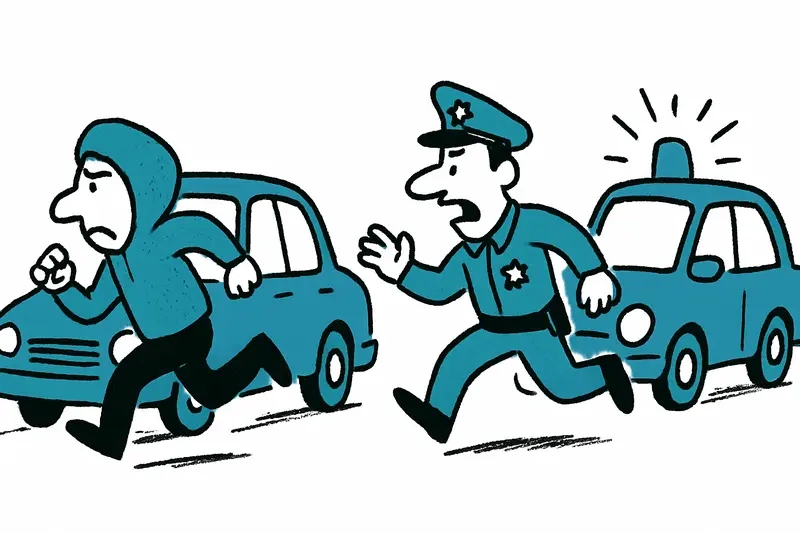
Rental Car Theft in El Arenal: What This Incident Reveals About Our Gaps
A teenager steals a running rental car in El Arenal, flees on foot, climbs over walls and is caught by the Guardia Civil...
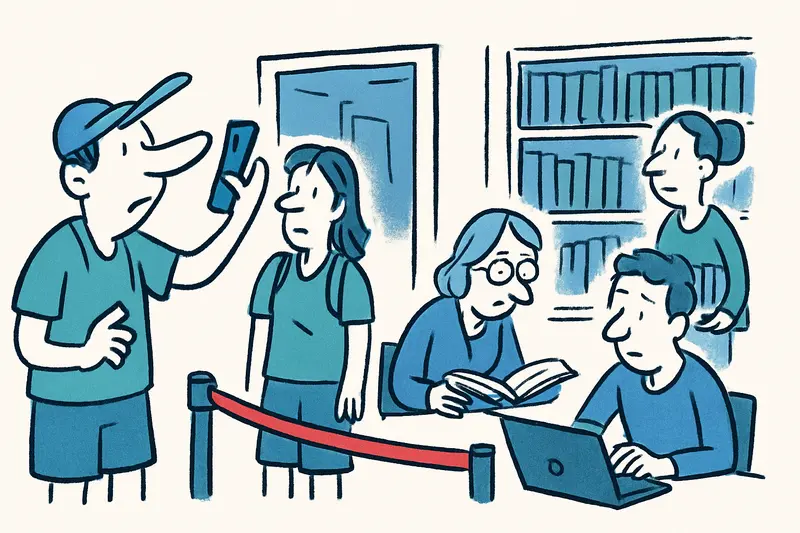
Red Rope in Palma's Library: What Helps Against Selfie Tourism — and What's Missing
Palma's city library cordoned off an area with a red rope to keep selfie tourism away from reading and working activitie...
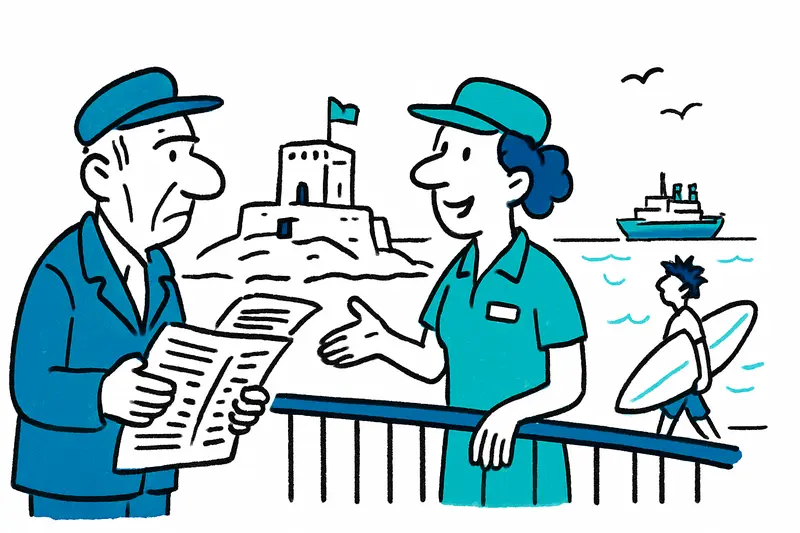
Fort San Carlos: Museum, Harbor Dispute — and a Conflict That Demands Answers
The military museum at Fort San Carlos sits right on Palma's harbor, with unexpectedly quiet rooms filled with cannons a...
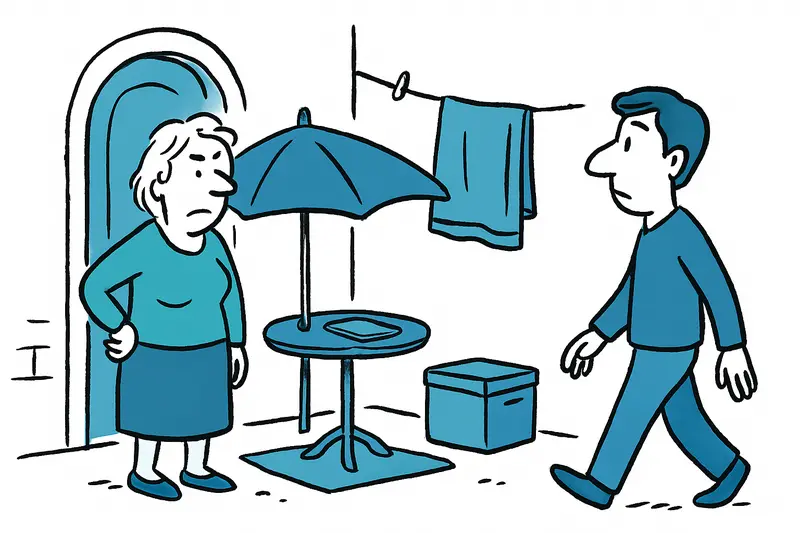
Old Town Under Pressure: When a Doorway Becomes a Sleeping and Shower Place
For months a woman has been living with a parasol, a clothes rack and personal belongings next to the social welfare off...
When Shopping Weighs Heavier: Mallorca Demands a Tax Pause on Food and Fuel
Rising prices are putting pressure on households and agriculture. The Balearic Islands are calling for temporary tax rel...
More to explore
Discover more interesting content

Can Cap de Bou

Townhouse Lleo 72
