
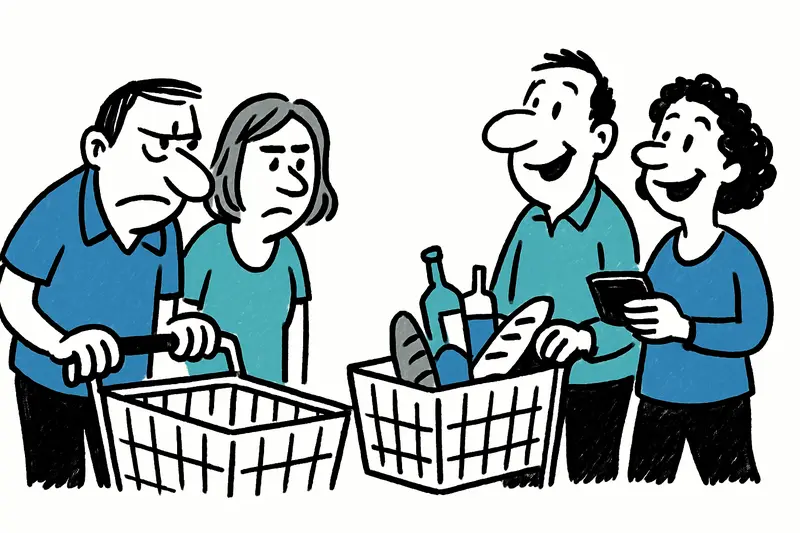
When a Shopping Cart Makes a €1,500 Difference: Price Chaos in Palma's Supermarkets
An analysis shows: Palma's supermarkets differ so much that families can save (or lose) up to €1,500 per year. A look at the causes, little-noticed consequences and practical local solutions.
Why Palma's supermarket prices are so crucial for families
At the market stall in Santa Catalina the neighbour sips her coffee, the roar of motorcycles mixes with the clatter of fruit crates. "Milk here, bread there, olive oil at the other shop" — she counts the cents like others count steps. A recent analysis When the supermarket bill hurts: How expensive the weekly shop on Mallorca has become confirms what many Mallorcans suspect: simply by choosing a supermarket chain, an average family in Palma can save up to €1,500 a year. The central question therefore is: why do prices vary so much here — and who pays the price for it?
What the numbers really mean
The average household in Palma spends about €6,200 annually on food. That makes groceries a significant budget item — a few cents' difference on staple goods add up over months and the years children grow up. When flour, UHT milk or a bottle of olive oil differ by several euros between chains, small change quickly becomes a noticeable relief or burden. These discrepancies appear in Why Food Is Noticeably More Expensive in Mallorca — and What We Can Do About It.
Why prices differ so much
Behind the price tags are not just numbers but entire business models: location and rent, personnel costs, target group (tourists vs. locals), promotional strategy and bargaining power with suppliers. Large chains use own brands, weekly promotions and digital coupons, small supermarkets rely on service — and that costs. Seasonality, tourism booms and proximity to popular neighbourhoods like La Lonja or Portixol also influence pricing. What is rarely discussed: some price differences result from opaque discount systems — those without a smartphone, loyalty card or time are left out. This is analysed in Why Food Is So Much More Expensive in the Balearic Islands — A Reality Check.
From plate to wallet: little-discussed consequences
It’s not just about saving. Price fluctuations have social effects: low-income families are more likely to stick to more expensive nearby stores because time, mobility or childcare make getting to the cheapest market difficult. Price differences also encourage food waste: short‑shelf-life products are more likely to be thrown away when promotion timing and stock planning don't align. The environmental balance also suffers when shoppers drive across the island for special offers. Official data from Mercasa also show island residents often pay more for food.
Concrete opportunities — what politics and communities can do
City and municipalities could create more transparency: a municipal platform that aggregates weekly offers, or mandatory disclosure of average prices for certain staples. Subsidies for local markets and mobile sales points in poorly connected neighbourhoods would be one approach, as would be cooperation between neighbourhood groups for collective orders. On a city level, a discussion about fair-play rules for shop rents in tourist zones would help — too often residents pay double for the same bottle of olive oil.
Practical tips for everyday life in Palma
No magic, but a bit of planning: compare flyers on Mondays, try fresh fruit on market days at the Mercat de l'Olivar, test store brands and look for reduced items in the evening. If you have time and storage space, stock up on staples during promotion weeks. Use neighbourhood WhatsApp groups or noticeboards in cafés — shopping lists and trips to cheaper supermarkets are often shared. And yes: a coffee at the Plaça del Mercat afterwards is allowed — for the euros you saved.
A small appeal
Prices are not a law of nature. They are decisions — by companies, authorities and us as customers. If Palma wants shopping not to become a lottery for families, it needs more transparency, better local offers and creative neighbourhood solutions. The smell of freshly baked bread on the Passeig, the vendors' calls at the market, the cool breeze from the sea — such little pleasures should not depend on your bank balance.
Note: The figures cited are based on an analysis by a consumer organisation and are intended as guidance for average households in Palma.
Frequently asked questions
Why are supermarket prices in Palma so different from one chain to another?
How much can families in Palma save by choosing a cheaper supermarket?
Are groceries more expensive in Mallorca than on the mainland?
What is the average annual grocery bill for a household in Palma?
Is Mercat de l'Olivar in Palma a good place to buy groceries?
Do neighbourhoods like Santa Catalina or Portixol affect supermarket prices in Palma?
What are the best ways to save money on groceries in Palma?
Why do supermarket discounts in Palma feel hard to follow?
Similar News
Orange Alert over Parts of Mallorca: Are We Prepared?
Dark clouds and an announced wet spell have triggered an Orange alert in parts of Mallorca. A reality check: what's miss...

Sundair & Co.: Sale speculation and what it could mean for Mallorca
Rumors about a possible sale of the airlines Sundair and Fly Air 41, which belong to Schauinsland-Reisen — and whether b...
Anne Wünsche in Mallorca: A job offer with a catch — who fits the role of personal assistant?
Influencer Anne Wünsche has left Berlin and is urgently looking for a full-time personal assistant in Mallorca. Why the ...

Daily from New York: Palma Between Boom and Strain
United will increase the Newark–Palma route to daily flights in 2027 using Boeing aircraft (231 seats). What does the in...

Palma Gets a Welcoming Park: Tirador Goes Greener — and a Café Is Coming
A new green project in Es Fortí/Camí de Jesús will transform the old Voltadora into a city park with an experience fores...
More to explore
Discover more interesting content

Can Cap de Bou

Townhouse Lleo 72
