
Panic on Calle Aragón: Knives, Roofs and the Question of Help in Palma
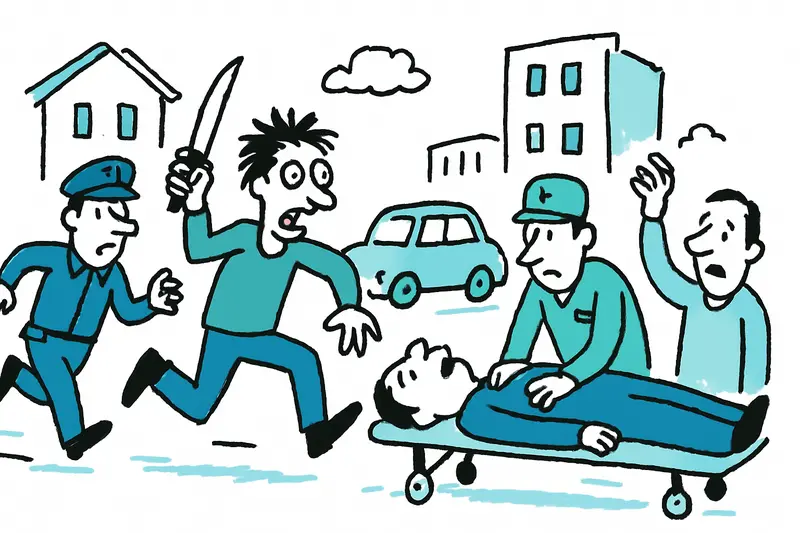
On a Saturday afternoon a 32-year-old caused a stir in Palma when he apparently jumped from a roof onto a car while under the influence of drugs and walked down Calle Aragón with a knife. Police and emergency services intervened; paramedics transported him to Son Llàtzer hospital. What does the incident say about our emergency and care structures?
Panic on Calle Aragón: Knives, Roofs and the Question of Help in Palma
On Saturday around 3 p.m. a normal afternoon on Calle Aragón in Palma suddenly turned into a hectic scene: a man, according to observers about 32 years old, apparently jumped from a flat roof onto a parked car and shortly afterwards strolled down the street holding a knife. Passersby shouted, cars honked, and within minutes uniforms and ambulances were on site. Emergency responders were able to secure the stabbing weapon and detain the man; paramedics from SAMU 061 treated him and took him to Son Llàtzer hospital.
Key question
What is failing in the chain of prevention, police response and medical care when drug use, possible psychotic episodes and public space collide so painfully, as in the Arrest after knife attack in Pere Garau: How safe is Palma's neighborhood??
Critical analysis
The sequence of events was apparently fast: residents alerted the emergency center, police and National Police arrived, and the situation was defused. But a rapid response alone is not the whole answer. We see several problem areas here that are not new: people in acute crises end up on the street, neighbors and drivers become unwilling witnesses or directly affected, and the result is a high logistical effort for emergency services. Securing the scene in the short term is necessary, but it remains unclear how the person involved could previously have fallen out of care.
What is missing in the public discourse
Beyond the photos and the excitement, the question is often missing of how many such interventions stem from a lack of follow-up services for people with drug problems and mental illnesses. There is little discussion about the capacities of crisis intervention, low-threshold services or post-discharge follow-up after a hospital stay, while local coverage such as Eight Break-ins in One Week: Arrest in Palma — and What's Still Missing highlights residents asking whether an arrest is enough. Also underexposed is the role of private building management and owners in securing roofs or access to secluded flat roofs from where such actions become possible.
Everyday scene from Palma
Picture Calle Aragón on a Saturday: delivery vans block a lane, children are just leaving an afternoon session at the sports center, an elderly woman stands at the bus stop shaking her head while the smell of freshly baked bread drifts from a bakery. Then the loud commotion, sirens, people stopping to film, reminiscent of the Watch theft in Palma's Old Town: Escape ends in Barcelona – How safe are our streets?. Such images stick and change the feeling of safety in neighborhoods that were previously considered "everyday."
Concrete solutions
- Mobile crisis intervention teams: teams of paramedics supported by psychiatric specialists and trained social workers could be mobilized in Palma more frequently and quickly, instead of relying solely on police or hospitals.
- De-escalation and mental health training for law enforcement: police officers should receive regular practical training for encounters with mental health crises, accompanied by independent evaluation.
- Improved aftercare following hospital stays: when someone is admitted for an acute psychotic episode or drug intoxication, there must be clear, binding transition plans to outpatient services and housing support.
- Preventive measures at residential sites: property managers, owners' associations and municipalities must examine how easily roofs or in-between spaces can be accessed and implement simple safety measures.
- Public information offerings: a hotline or online platform with low-threshold options for relatives who want to know the first steps, as well as information on drug counseling and crisis centers on Mallorca.
Why this matters locally
Palma is densely built, and many neighborhoods have easily accessible roof areas. When a person in crisis becomes visible in this way, it directly affects the neighborhood and traffic. The combination of tourist flows, commuters and dense housing makes fast, structured services particularly urgent.
Concise conclusion
The incident on Calle Aragón was serious and was apparently contained professionally. But it is not an isolated case; it is a symptom. We need fewer headlines and more binding processes: mobile crisis teams, better aftercare, simple preventive measures on buildings and clearer resource allocation between police and health services. If we do not address this, we will see such scenes again — and on ever more familiar streets.
Frequently asked questions
What should I do if I see someone in Palma behaving dangerously in public?
How are police and paramedics usually involved in an emergency in Palma?
Why do some crises in Mallorca end up playing out in the street?
What support is available in Mallorca for someone with a drug problem or mental health crisis?
Is Calle Aragón in Palma considered a busy or sensitive area?
How can flat roofs in Palma be made harder to access?
Why is better aftercare important after a psychotic episode in Mallorca?
What can relatives in Mallorca do first if someone seems to be in crisis?
Similar News
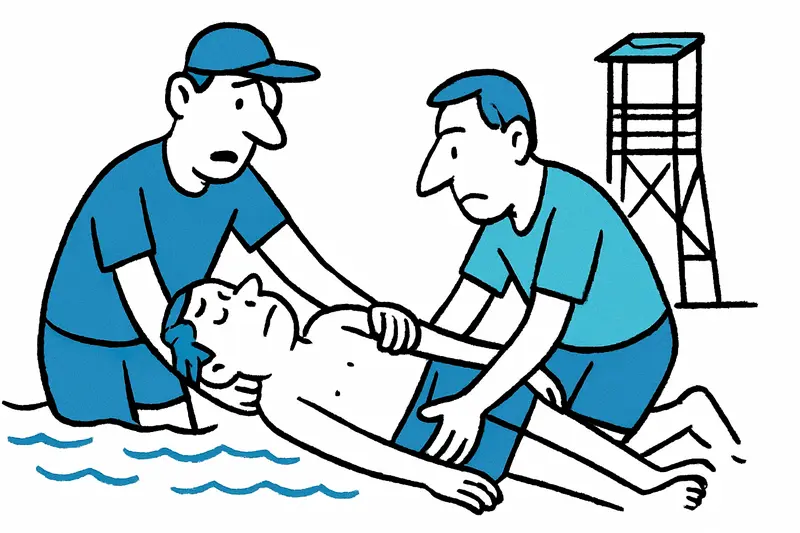
Magaluf: Watchtower Alarm – Lifeguards Pull Unconscious Beachgoer from the Water
After a drama in the late afternoon, two lifeguards at Magaluf beach rescued an unconscious 44-year-old man. He was stab...
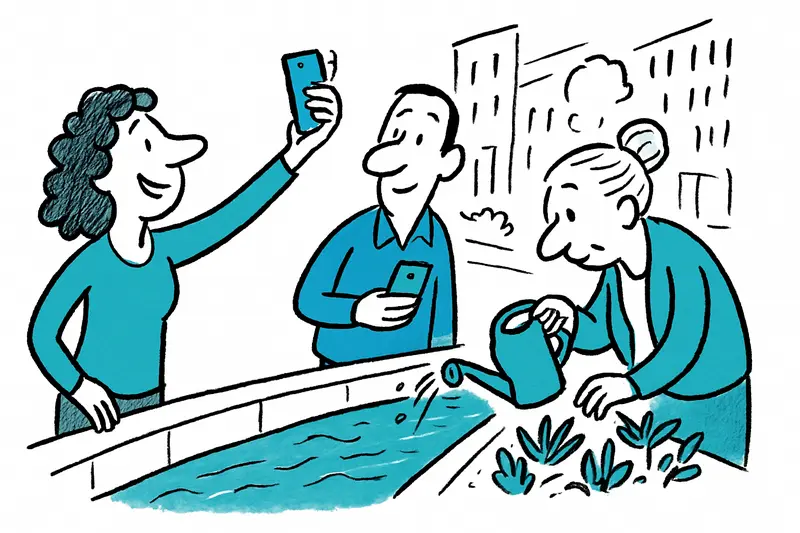
Turquoise in the City: How dangerous is the color play of the Sa Riera?
The Sa Riera in Palma suddenly turned turquoise — a pretty motif, but behind the effect lies a discharge of saline waste...

Jeckliner at Sunnesching: Cologne spirit sets sail from Palma
In September 2027 the Mein Schiff 2 briefly becomes a floating carnival stage: four days with Cologne bands, comedy and ...
Finally Home: Mike and Leyla Heiter Buy Villa with Sea View in Mallorca
The reality TV couple Mike and Leyla Heiter have bought a house in Mallorca with a roof terrace and sea view. An Instagr...
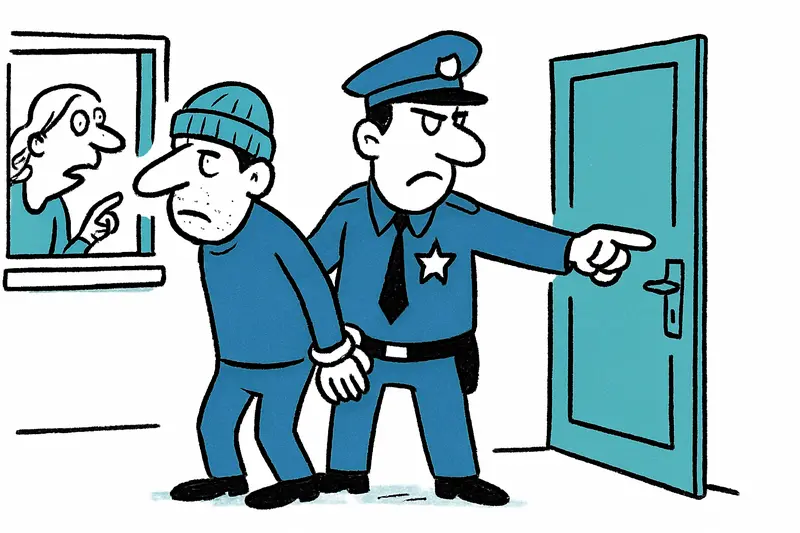
Arrest after series in Palma: Who protects apartments from repeat offenders?
The National Police arrested a man in Palma who investigators say may have broken into several apartments. In one incide...
More to explore
Discover more interesting content

Can Cap de Bou

Townhouse Lleo 72
