
New Pony in Palma's Mounted Unit: 'Panxo' Finds a Second Life
New Pony in Palma's Mounted Unit: 'Panxo' Finds a Second Life
A stray pony from Son Reus is now called Panxo and lives with the mounted unit in Bellver Forest. A small stroke of luck for children, the police and animal welfare.
New Pony in Palma's Mounted Unit: 'Panxo' Finds a Second Life
Rescued pony from Son Reus to take part in activities for children and young people
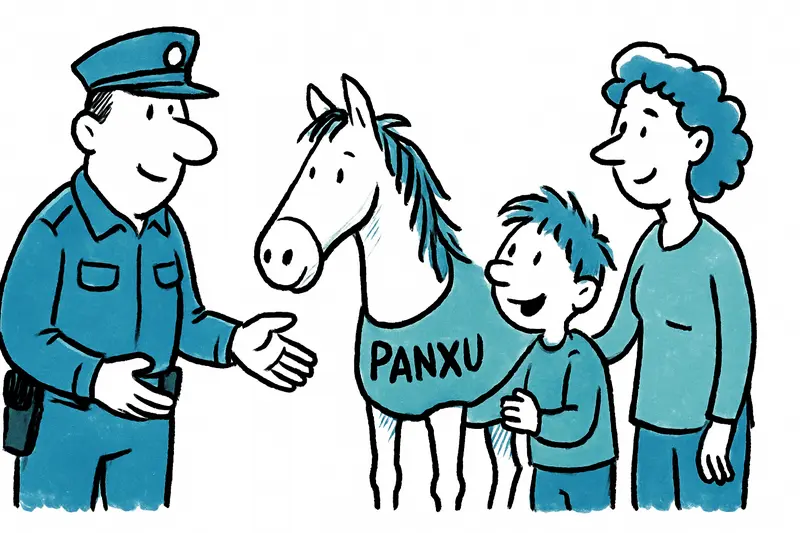
On a cool morning, when the scent of pine needles drifts over Castell de Bellver and the city is still slowly waking up, you can now hear a soft snort among the police horses: a young pony named Panxo has moved into the stables of the mounted unit of the Policía Local in Palma.
Panxo was found a few weeks ago, disoriented and visibly stressed, and was initially taken to the Son Reus animal shelter. Because there was no microchip, no owner could be identified, a problem highlighted in Neglected Horses in Son Gual: Why Animal Suffering on Mallorca Often Remains Hidden. The staff at Son Reus cared for the animal, and after a period of care and rest, authorities and animal carers jointly decided to place Panxo in the care of the mounted unit.
The pony is estimated to be about four years old. Unlike the large service horses that are regularly used on patrols and at events (see Horse Falls in Palma: Do Carriages in the Old Town Need Rethinking?), Panxo is intended primarily to appear at activities for children and young people: school visits, prevention events or encounter projects in parks and on local squares are planned. The idea is simple: a cute, calm animal creates closeness, reduces fears and makes conversations easier.
On site in Bellver Forest, among shady paths and running trails, such encounters often prove surprisingly friendly. Parents push strollers, dog owners greet the horses—and now there is a pony that does not represent the serious side of duty but rather the relaxed side of the uniform. That creates connection in everyday life and serves as a reminder that the city police not only enforce rules but also build bridges.
For Son Reus the handover is also a small success: a rescued animal has found a permanent perspective and thus relieves the shelter's capacities. This is not unimportant on an island like Mallorca (see Donkey killed in accident north of Palma – residents and authorities alarmed); in high season as in winter, care places remain scarce, and every successfully rehomed animal is a bit of good news for animal welfare workers.
Of course, integrating a pony into a service unit also brings responsibilities: veterinary checks, regular hoof care, adapted feeding and a gentle programme so the young animal can get used to life with other horses and to being close to people. The riders in the unit are experienced in horse care, and in the stables at the foot of the castle hill Panxo will receive the necessary calm and attention.
For the city, Panxo's new home offers public relations opportunities: events at schools or youth centres can be enhanced with practical encounters. Anyone who has once stroked a horse or pony remembers the feeling—and that opens up topics of conversation, for example about road safety, respect in public spaces or the value of pet ownership and registration requirements.
And here we come to an important, everyday point: microchip and registration. Panxo's story is a clear example of how quickly animals without identification can get into trouble—and how easily many misunderstandings could be prevented. A small chip and an up-to-date entry save not only effort but also stress for the animal.
So if you are walking in Bellver Forest soon and hear the bright snort of a pony, feel free to stop briefly, say hello and perhaps explain to the children why Panxo is here now. It is a story with a happy ending: rescue, care and a place in the community. Stories like this do Mallorca good these days—they bring a smile amid cars, construction noise and market bustle.
Outlook: Whether Panxo will later remain permanently at public events or be used additionally for animal-assisted visits in schools will become clear over time. One thing is certain: the pony has been given a second chance, and you can see it.
A small tip to finish: If you keep an animal or report a found animal—check for a chip, make contact, stay calm. That helps both animals and people alike.
Frequently asked questions
Why is there a pony in Palma’s mounted police unit?
What happens to found animals in Mallorca if they have no microchip?
What will Panxo the pony do in Palma?
Can children meet police horses in Palma?
Where is Palma’s mounted unit based near Bellver?
Why is microchipping important for pets and animals in Mallorca?
What kind of care does a young pony need in a service unit?
Is Son Reus important for animal rescue in Mallorca?
Similar News

Released with Conditions: The Plus Ultra Suspicion and a Mallorcan Finca as Residence
A Dutch entrepreneur, sought in connection with the Plus Ultra case, was extradited to Spain after his arrest in Germany...

Haute Nuit in Puerto Portals: Fashion, Art and Indulgence by the Water
On October 2 the Lobster Club in Puerto Portals will be transformed into a stage for curated fashion, art and culinary e...
Magaluf: Watchtower Alarm – Lifeguards Pull Unconscious Beachgoer from the Water
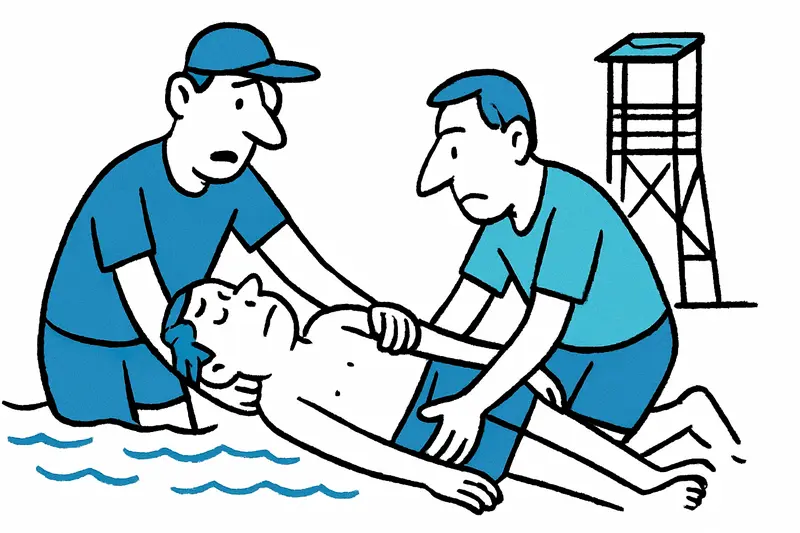
After a drama in the late afternoon, two lifeguards at Magaluf beach rescued an unconscious 44-year-old man. He was stab...
Turquoise in the City: How dangerous is the color play of the Sa Riera?
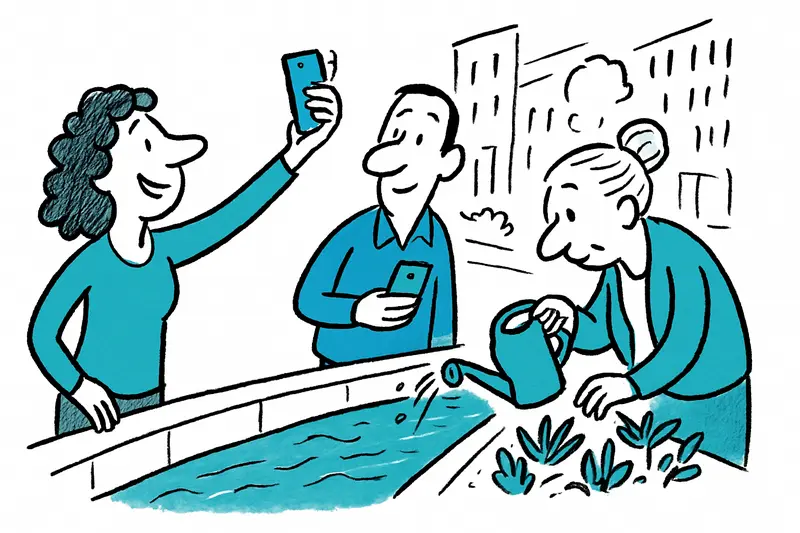
The Sa Riera in Palma suddenly turned turquoise — a pretty motif, but behind the effect lies a discharge of saline waste...

Jeckliner at Sunnesching: Cologne spirit sets sail from Palma
In September 2027 the Mein Schiff 2 briefly becomes a floating carnival stage: four days with Cologne bands, comedy and ...
More to explore
Discover more interesting content

Can Cap de Bou

Townhouse Lleo 72
