
Parc de la Mar neglected: Who will save Palma's living room at the foot of the cathedral?
Between the cathedral and Passeig Mallorca, trash, cigarette butts and other residues are piling up. Residents demand more cleaning, presence and social solutions — but who pays and who will actually act?
What started beautifully in front of the cathedral is slowly falling apart
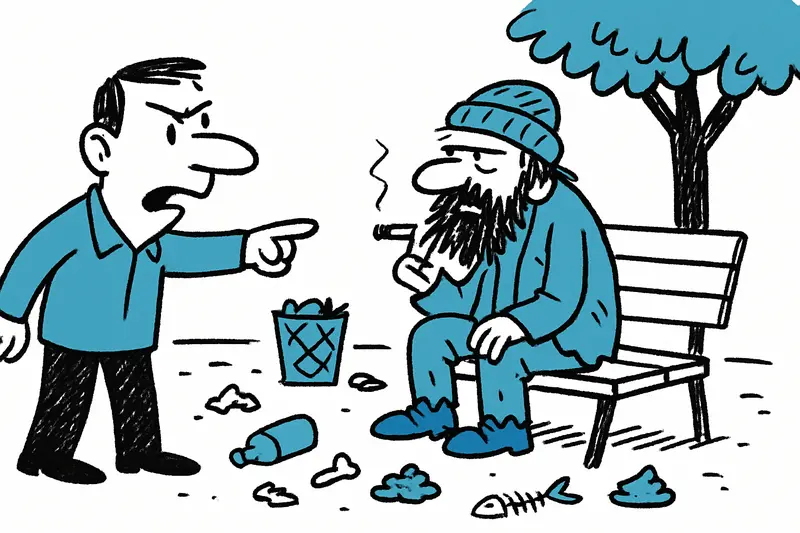
When the first water taxis chug across the harbor and the bells of La Seu toll nine times, many Palma residents want to enjoy the view of the water down at the Parc de la Mar. What stands out at the moment: the view is often clouded. Plastic cups, food scraps on the paths, overflowing bins — and some mornings even dog droppings or other unhygienic residues on the grass. What used to be a small urban retreat now sometimes looks like a neglected corner of the city, as noted in Vecinos alarmados: Parc de la Mar descuidado – basura, colillas y restos a los pies de la catedral.
Who is actually responsible?
The simple answer is: the Ayuntamiento. But in practice it is more complicated. Cleaning, emptying bins, and the maintenance of green spaces — many of these tasks are regulated through service contracts. Residents report that these services often seem spotty, especially on weekends or mild summer nights (see Paseo Marítimo: Big Spending, Little Everyday Usefulness). When cleaning schedules are rigid and weekend demand is underestimated, it quickly creates the impression that the city is not doing enough.
Key question: Are more frequent bin emptyings alone sufficient, or does Palma need a fundamentally different approach for heavily frequented urban spaces like Parc de la Mar?
Voices from the neighborhood and the less visible problems
"I walk down the stairs with the dog almost every morning," says a resident from Sa Calatrava. "The park used to be a little gem. Now I sometimes avoid the benches because they are covered in litter." Others report that people sleep in the bushes at night. The visible result is rubbish and disorder — the invisible result is social: a lack of services for homeless people who use the park as a sleeping place.
One aspect that is often overlooked: urban design can make problems worse. Dark hedges, few actively used spaces in the evening and the lack of sanitary facilities create areas where trash and hardship become routine. Absence management in contracts — no night-time emptying, rigid schedules — also contributes to the problem.
Concrete consequences for residents and tourism
Pollution quickly leads to rat problems, bad odors and a feeling of insecurity. For an area directly in front of the cathedral that is passed daily by tourist groups, the impact is negative. The image suffers, visitors stay shorter, residents lose quality of life. In short: it's not just about aesthetics, but about health, safety and the urban community.
What can help now — short-term and medium-term
Short-term, many things could be improved without large investments:
- More flexible cleaning times: More emptyings in the evenings and on weekends, adapted to visitor flows rather than rigid schedules.
- Additional, well-placed bins: Special ashtray stations and dog waste bag dispensers can also significantly reduce the problem.
- Visible presence: More municipal inspectors or community patrols in the evenings — not as punishment, but as a presence against litter and for safety.
In the medium term, structural measures are needed:
- Social services: Mobile outreach teams and low-threshold overnight places for people without housing can reduce the number of those who have to use parks to sleep at night.
- Design changes: Remove overgrown hedges, targeted lighting, and activating uses such as cafés and events that bring the park to life during the day.
- Contract adjustments: Service providers should have performance targets that cover weekend and evening hours; possibly linked to bonuses/penalties for poor/good performance.
Some ideas sound modern: sensor-equipped bins, neighborhood volunteer programs, cooperation with hotels and the cathedral — but without political will these remain nice proposals.
A chance for a joint project
Parc de la Mar can be more than a passageway in front of the cathedral. An integrated concept of cleaning, social work and urban design measures could turn the area back into Palma's lively living room. That requires a clear signal from the Ayuntamiento and active participation from neighborhoods. Those who appreciate the smell of the sea in the morning, the cries of the gulls and the ringing of La Seu should not accept that this very place is neglected.
My plea to council members and readers is simple: go there, take a look — and remind those responsible that a park is not a dumping ground. And if you walk along the cathedral today: take your rubbish with you or use the nearest bin. Small habits can have a big effect.
I will continue to monitor developments and remind those responsible of their duties. Palma's heart by the sea deserves more than a temporary clean-up crew.
Frequently asked questions
Why does Parc de la Mar in Palma sometimes look neglected?
Who is responsible for cleaning Parc de la Mar in Mallorca?
Is Parc de la Mar still pleasant to visit in Palma?
What problems can litter in Parc de la Mar cause in Palma?
What could improve Parc de la Mar in Palma quickly?
Why do weekends seem to be a bigger problem at Parc de la Mar?
Could better lighting help Parc de la Mar in Palma?
What long-term changes does Parc de la Mar in Mallorca need?
Similar News

Maribel: Five Decades of Service – Housekeeper from Peguera Celebrated with a Special Honor
Over 50 years in the hotel business: María Isabel “Maribel” Molinos was honored in Palma at the Nit del Turisme by Unive...

Orange Alert over Parts of Mallorca: Are We Prepared?
Dark clouds and an announced wet spell have triggered an Orange alert in parts of Mallorca. A reality check: what's miss...

Sundair & Co.: Sale speculation and what it could mean for Mallorca
Rumors about a possible sale of the airlines Sundair and Fly Air 41, which belong to Schauinsland-Reisen — and whether b...
Anne Wünsche in Mallorca: A job offer with a catch — who fits the role of personal assistant?
Influencer Anne Wünsche has left Berlin and is urgently looking for a full-time personal assistant in Mallorca. Why the ...

Daily from New York: Palma Between Boom and Strain
United will increase the Newark–Palma route to daily flights in 2027 using Boeing aircraft (231 seats). What does the in...
More to explore
Discover more interesting content

Can Cap de Bou

Townhouse Lleo 72
