
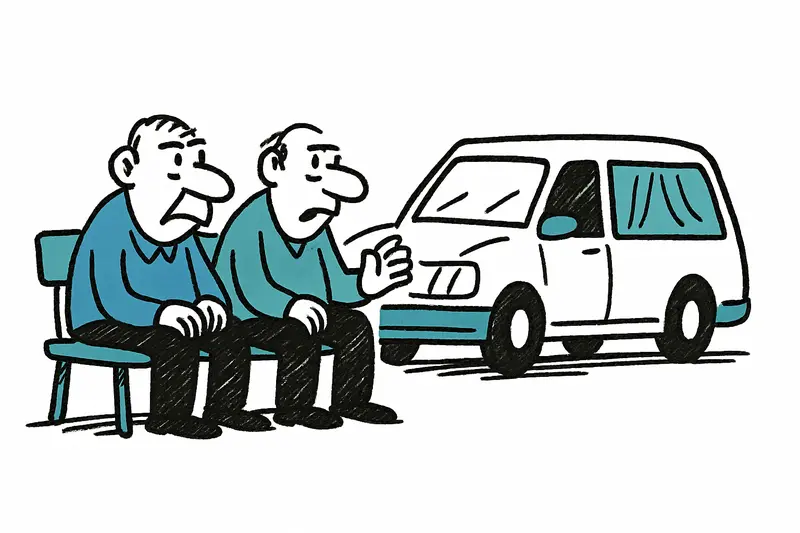
Why the parked hearse in Son Xigala remains — a reality check for Palma
Why the parked hearse in Son Xigala remains — a reality check for Palma
A hearse has been parked for weeks in Son Xigala, unsettling residents. Why the city does not act immediately, what gaps the rules leave, and how the neighborhood can respond.
Why the parked hearse in Son Xigala remains — a reality check for Palma
On a quiet side street in Son Xigala a hearse has been standing for weeks. It is not a vehicle from an accident, no victim is being transported in it; yet the white-gray vehicle causes unease among many people. The question that seems more urgent here than any formality is: must administrative language prevail over the feeling of the neighborhood?
Leading question
How can public order be organized so that legal rules for dealing with abandoned vehicles do not come at the expense of social peace and residents' subjective sense of security?
Critical analysis
The current practice in Palma requires that a vehicle must have been standing for longer than ten days and show obvious signs of decay before an official procedure is initiated. Only after a notice sticker is affixed does the owner have 21 days to act; after that the city removes the vehicle, a process similar to recent enforcement described in Police clear parking chaos in Palma industrial areas — checks, towing, open questions.
From the administration's perspective the approach appears understandable: deadlines and evidence document the need for removal and reduce the risk of legal complaints. From the residents' point of view, however, this very caution creates the feeling that their concerns are not urgent. In Son Xigala older men sit on the plaza, the bus stop stays full of students, a mother walks past with her child — and the vehicle is always there, reminding people of death and farewell. The administration protects the rules; the neighborhood seeks human consideration, and comparable anxieties in public spaces are reported in Parking Garage on Carrer Manacor: When Fear Becomes Part of the Walk to the Car.
What's missing in the public discourse
Little is said about the psychological impact: certain vehicle types — ambulances, hearses, animal ambulances — carry strong symbolic weight. The rules are technical, but the discussion is emotional, as in cases such as Santa Catalina: Man reportedly lived for a month with his dead mother – questions for the city. Also rarely discussed is the question of priorities in the municipal deployment plan: is there a list of sensitive cases that can be expedited before all deadlines expire? And what responsibilities apply to private owners, social landlords, or companies when their vehicle burdens residents?
Concrete observation from everyday life
A Saturday morning in Son Xigala: fresh bread smells from the small bakery on the corner, a moped whizzes by, and two older women discuss the weekly market, a scene that echoes Beyond the Parking Lottery: Son Espases and the Daily Parking Chaos. They point to the parked vehicle and say it disturbs the calm in front of their window. No one calls for dramatic measures — but they do call for quick, comprehensible solutions that remove the upsetting sight from the street.
Concrete solutions
1) Accelerated review procedure for 'sensitive' vehicles: the municipal administration could develop an internal guideline that treats certain vehicle types preferentially after a shorter deadline or when residents' distress is proven. This guideline would need to be transparent and provide legal remedies to avoid arbitrariness.
2) Clear contact routes and quick feedback: a dedicated form or hotline for cases with special symbolic impact would convey that complaints are taken seriously. It would be important to set a firm deadline within which the administration acknowledges receipt and outlines next steps.
3) Temporary measures: if legal hurdles prevent immediate towing, alternative measures could be used — tarpaulins, temporary barriers, or an explanatory sign telling neighbors that the case is being checked. Such measures reduce psychological stress without violating property rights.
4) Preventive awareness for vehicle owners: information leaflets for car dealers, funeral companies and commercial fleets recommending that vehicles not be parked permanently in residential areas.
5) Community solution: neighborhood initiatives could keep a list of contact points and template letters to bundle complaints and submit them formally and correctly to the authorities.
Conclusion (to the point)
The existing deadlines protect property. But they do not automatically protect the well-being of a neighborhood. A parked hearse may not be a legal special case on paper, but it is a social exception on the street. The city administration should apply rules with more judgment: a little faster, a little more transparent, a little more humane. Son Xigala does not need a symbolic object that reminds people of mortality every day. A short, binding procedure and a few pragmatic interim steps would noticeably help the neighborhood — and make the administration's work easier.
Frequently asked questions
Why can a parked vehicle stay on a street in Palma for so long before it is removed?
What should residents in Son Xigala do if a parked vehicle is making the street feel unsafe or unsettling?
Does a hearse parked in a Mallorca neighborhood count as a special case?
How long does Palma give a vehicle owner to move a car after a warning sticker is placed?
Is there a faster way for Palma to handle abandoned vehicles in residential areas?
How do parked hearse or funeral vehicles affect daily life in a Mallorca neighborhood?
What can vehicle owners in Mallorca do to avoid complaints about long-term parking in residential streets?
Why do residents in Palma want quicker action on unusual parked vehicles?
Similar News
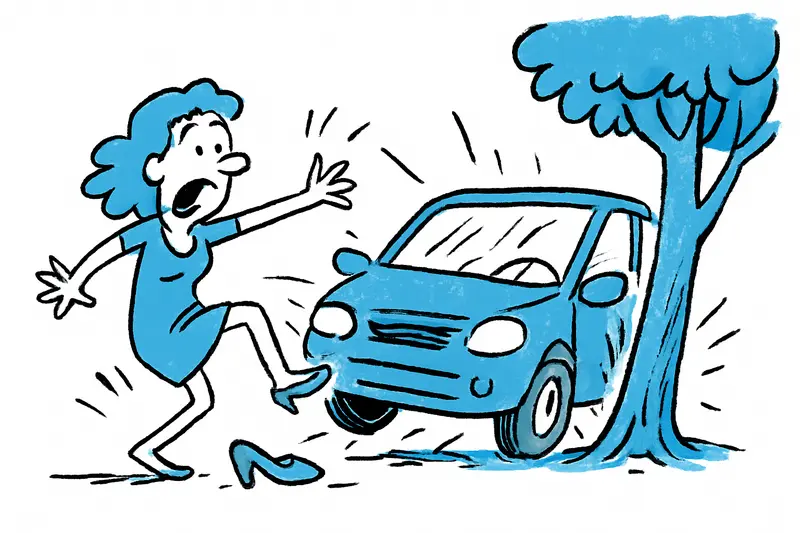
High heel slips, car accelerates: accident on Camí de Son Hugo
A woman lost a high-heeled shoe on the forecourt of the sports facility at Camí de Son Hugo. The car accelerated, mounte...
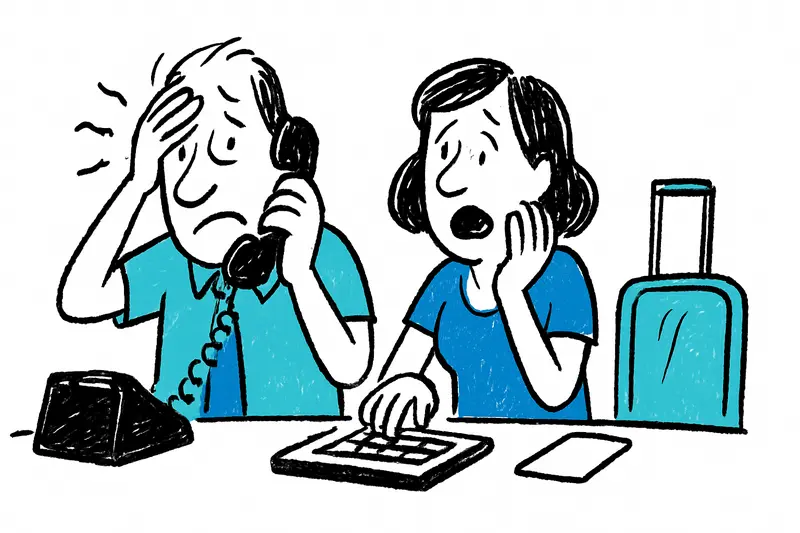
Phone Scam: How Two Hotel Employees at Playa de Palma Lost Thousands of Euros
One morning in September, two reception employees at Playa de Palma were pressured by alleged alarm-company staff — in t...
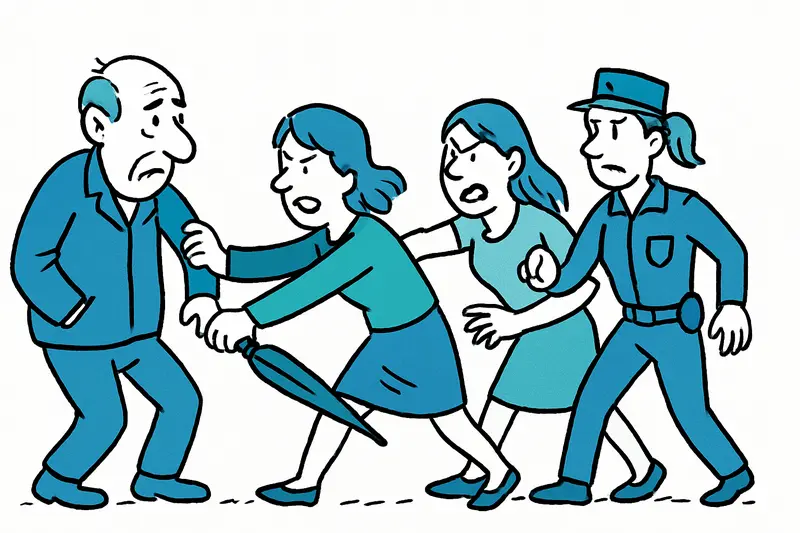
When the Wallet Becomes a Danger: Attack in Peguera and Lessons for Mallorca
In Peguera, two women are said to have stolen the wallet from a 75-year-old German couple. When the victim intervened, t...
Plata stays Plata: Young people take over, Llonguets remain
A small bar on Carrer de l'Argenteria will continue: Tolo Serra hands the place over to young Mallorcans at the end of t...
Unnoticed in the Luggage Compartment: How a Boy Traveled More Than 100 Kilometers in a Team Bus
A minor traveled in the undercarriage of a team bus for more than 100 kilometers until his cries for help were heard. A ...
More to explore
Discover more interesting content

Can Cap de Bou

Townhouse Lleo 72
