
Despite Renovation: Why Palma’s Paseo Marítimo Remains Empty — A Reality Check
Despite Renovation: Why Palma’s Paseo Marítimo Remains Empty — A Reality Check
After COVID and long construction works, venues on the Paseo Marítimo are struggling with dwindling customers, rising rents and poor accessibility. A look at causes and realistic solutions.
Despite Renovation: Why Palma’s Paseo Marítimo Remains Empty — A Reality Check
Guiding question: Why doesn’t a finished construction site automatically bring guests back?
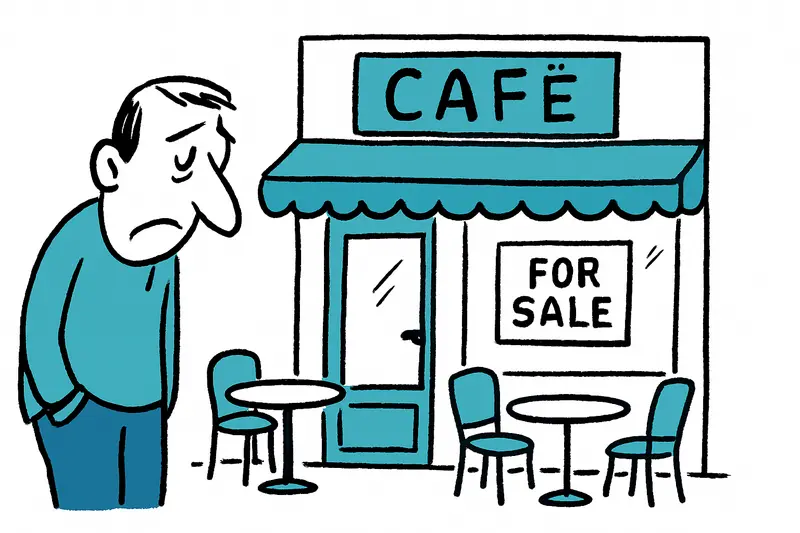
The headlines of recent months sound familiar: venues on the Paseo Marítimo report economic problems, some had to close, others continue to struggle, as highlighted in Paseo Marítimo: Big Spending, Little Everyday Usefulness. Walking along Avenida Gabriel Roca on a mild evening, you don't only hear waves and seagulls, but also the echo of empty terraces: empty chairs, muffled music from a bar, a waitress attentive but waiting in vain for more customers.
Critical analysis: three mechanisms converge here. First: demand shock. Many regulars found other meeting places during the COVID years and the construction. Second: supply shift. The nightlife is moving to Palma’s industrial zones — there is parking and cheaper rents there, a trend questioned in Who is Palma's new waterfront boulevard really for?. Third: accessibility and costs. scarce parking combined with much higher rents drive customers and business owners to easily accessible areas.
What is often missing from public discourse is everyday logistics. People talk about "less tourism" or "rents that are too high", but rarely about the concrete mobility situation in the evening: taxis, bus connections after midnight, secure bicycle parking, route lighting for late returnees. No one talks enough about the small, everyday hurdles — the tedious walk from the nearest parking garage, the expensive short-term parking zone in front of the restaurant, the worry about the car if you stay late.
A Mallorca everyday scene: Friday, 10 p.m., the fresh smell of the sea in the air. A small street band plays at Moll Vell, opposite the lights of the yachts glow. A young couple from Llucmajor turn away disappointed: "We wanted to go to a bar, but there are parking ban signs everywhere. We'd rather go to a club in the industrial area — we know: parking, safe, cheaper." Such decisions add up and are not just emotional; they are rational and economic.
Concrete solution approaches — realistic and local:
1) Night shuttle and extended bus lines. A denser, well-lit shuttle from the center and residential areas to the Paseo in the evening hours would improve accessibility. In short: less parking stress, more spontaneous visits.
2) Temporary, low-cost parking zones with security supervision. Instead of rigid parking bans, time-limited parking areas with low rates from 8 p.m. could be introduced — supervised so cars are safe.
3) More flexible rent models and city council mediation. An initiative coordinating short-term rent reductions or tiered models for commercial spaces during the low season could prevent bankruptcies and reduce vacancies.
4) Promotion of joint night programs. If bars, cultural venues and event organizers plan joint activities (late markets, concert nights, gastronomy passes), there will be a reason to head to the Paseo deliberately again.
5) Small urban interventions. More bicycle racks, visible pedestrian routes, better lighting toward the harbor and dock so visitors can move safely and directly at night — measures already mentioned in Paseo Marítimo: More boulevard, more questions — will Palma make the new waterfront part of everyday life?.
These proposals may sound practical, but they address the problem at its core: everyday frictions that stifle an economic environment. High rents and missing customers are the symptoms; the cause is lost routes and habits that need to be regained.
What the municipality can do — and what entrepreneurs can do themselves — is obvious. The city can implement mobility offers and temporary parking regulations more easily than it can financially rescue new restaurants. Business owners, in turn, could act more cooperatively: joint shuttle tickets, coordinated opening hours, pop-up concepts in vacant spaces.
Conclusion: The renovation of the Paseo Marítimo is a necessary step, but not a guarantee that the public will return, even though reports such as Paseo Marítimo Near Completion: Reopening at the End of October — and the Uncomfortable Questions note it is almost finished. Low-threshold measures that make it easier to get back to bars and restaurants are needed — practical solutions instead of symbolic opening photos. If the city administration, operators and the neighborhood act pragmatically now, there is a chance to bring the Paseo back to life. Let’s hope that on a warm evening soon more chairs will be occupied and fewer waiters will stand behind the bar with question marks in their eyes.
Concise conclusion: Finished promenades do not fix logistical problems. Those who want Palma’s nightlife back must repair routes, parking and prices — not just the surface.
Frequently asked questions
Why is Palma’s Paseo Marítimo still quiet after the renovation?
Is Palma’s Paseo Marítimo worth visiting in the evening now?
What makes it hard to go out on the Paseo Marítimo in Palma?
Where is Palma nightlife moving if not to the Paseo Marítimo?
Would a night shuttle help the Paseo Marítimo in Palma?
What are the main solutions for empty terraces on Palma’s Paseo Marítimo?
Is parking near Palma’s Paseo Marítimo difficult at night?
What can bar and restaurant owners do on the Paseo Marítimo in Palma?
Similar News
Released with Conditions: The Plus Ultra Suspicion and a Mallorcan Finca as Residence
A Dutch entrepreneur, sought in connection with the Plus Ultra case, was extradited to Spain after his arrest in Germany...

Haute Nuit in Puerto Portals: Fashion, Art and Indulgence by the Water
On October 2 the Lobster Club in Puerto Portals will be transformed into a stage for curated fashion, art and culinary e...
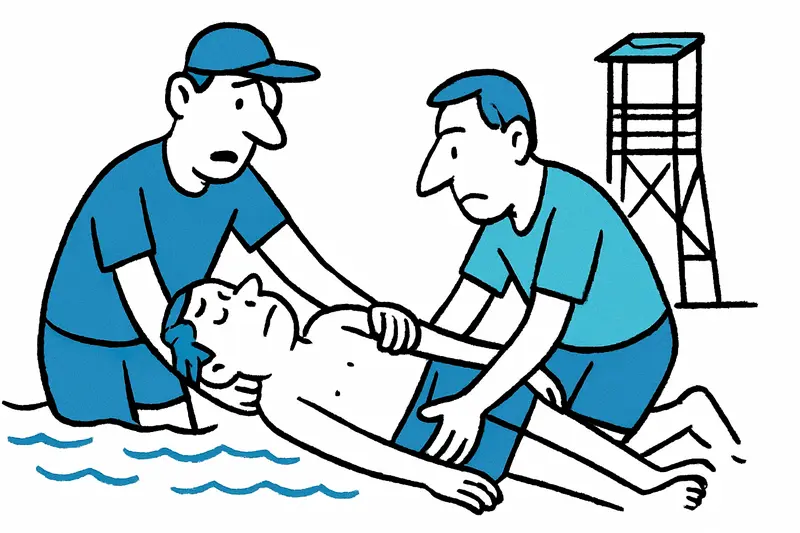
Magaluf: Watchtower Alarm – Lifeguards Pull Unconscious Beachgoer from the Water
After a drama in the late afternoon, two lifeguards at Magaluf beach rescued an unconscious 44-year-old man. He was stab...
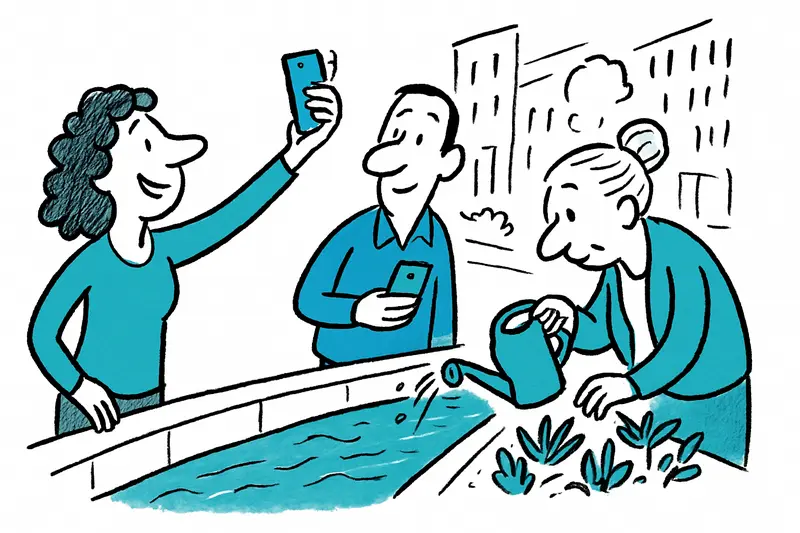
Turquoise in the City: How dangerous is the color play of the Sa Riera?
The Sa Riera in Palma suddenly turned turquoise — a pretty motif, but behind the effect lies a discharge of saline waste...

Jeckliner at Sunnesching: Cologne spirit sets sail from Palma
In September 2027 the Mein Schiff 2 briefly becomes a floating carnival stage: four days with Cologne bands, comedy and ...
More to explore
Discover more interesting content

Can Cap de Bou

Townhouse Lleo 72
