

Patrona in Palma: 32,000 on the Paseo — Festival, Fireworks and the Cost Question
The Patrona filled Palma's Paseo Marítimo: 32,000 people, loud DJs, a ten-minute fireworks display — and a municipal budget of €330,000. A success — but is the bill justified for the city's residents?
32,000 people, beats and a price tag: Patrona on the Paseo
It smelled of the sea, roasted almonds and engine oil from the stage setup. By around 8 p.m. the front rows were already at the barrier; by 10 p.m. the city government estimated about 32,000 visitors along the Paseo Marítimo and in the Parc de la Mar below the cathedral. Those who were there can still feel the dull vibration of the sub-bass in the side streets — and the occasional flash of smartphones when a visible highlight happened.
What went well — and what was hardly noticed
Organization, security and logistics ran surprisingly smoothly: police and security services managed the inflow and outflow, there were streets closed on Avinguda Gabriel Roca and extra buses after midnight. The stage attracted international acts and electronic sets; the party mixed tourists, locals in flip‑flops, families and night owls. The fireworks at about 11:30 p.m. over the bay, just under ten minutes, were visually impressive and cast a silver back-projection onto the cathedral.
Behind the impression of ease, however, lie questions that often get lost in euphoric follow-up coverage: How sustainable is a one-off audience success? How justified is a municipal expenditure of €330,000 when advertising, security costs and indirect revenues are left out of the equation?
The cost question: What does an evening really cost?
The raw calculation is simple and at the same time unsettling: €330,000 divided by 32,000 visitors comes to just over ten euros per person — on first glance not much. But municipal spending doesn't just cover stages, it also pays staff, rented equipment, cleaning and infrastructure. Long-term costs — noise for residents, environmental impacts from fireworks, additional hours for police and emergency services — are harder to quantify.
One point rarely mentioned: who pays for the forgone uses of public space? Is it acceptable that harbor fronts and waterfront zones are cordoned off for large events such as the patronal festival with road closures and diversions so that neighbors or small businesses must temporarily step aside? For some residents the night mostly meant: getting home later, less sleep and reduced mobility — aspects that should be taken into account in the city's cost‑benefit assessment.
Less discussed: environment and cultural heritage
The fireworks were photogenic, but not climate-neutral. Fine particulate matter, imported rockets and the noise often remain side issues in the discussion. Likewise the question of how much large concerts actually strengthen local cultural producers: international DJs bring crowd numbers, while local bands need more regular support so the cultural scene can grow sustainably — especially if Palma positions itself as an applicant for the title European Capital of Culture 2031.
Concrete proposals instead of applause — how Palma could make the investment more meaningful
Without blinkers, positive energy can be drawn from the successful evening. A few concrete proposals:
1. Transparent cost breakdowns: A detailed breakdown of what exactly the €330,000 covers, including follow-up costs (cleaning, extra police hours, traffic adjustments).
2. Measurable goals: Introduce indicators not only for visitor numbers but for local economic effects, environmental impacts and residents' satisfaction — then it can be shown whether an event like Patrona is a sustainable investment.
3. Participatory budgeting: Allocate parts of the funding to local collectives, initiatives or street parties so that revenues do not only flow into large stage shows but into lasting cultural offers.
4. Environmental measures: Forego environmentally harmful pyrotechnics or at least compensate; implement better waste concepts and incentives for climate-friendly travel (night buses, bicycle parking).
5. Neighborhood compensation: Small compensations or offset offers for residents, such as vouchers for local cultural venues or programs for noise-insulating windows.
Conclusion: One evening, many possibilities
The Patrona showed that Palma can reclaim its waterfront as a place for large shared moments. It was loud, friendly and a bit wild — exactly how many people like it. Yet the central question remains: Do we want to continue shaping such nights primarily with one-off large events, or do we invest the funds more wisely so that culture in Mallorca is strengthened in the long term and the environment and residents are not left with the quiet bill?
I was still at Plaça de Weyler around midnight: the air fresh, the taste of roasted almonds on my lips, occasional conversations about the evening. The city showed its pulse. Now it should measure, learn and decide how that pulse should beat in the long run.
Frequently asked questions
What is Patrona in Palma like and how big is the event usually?
Are there fireworks at Patrona in Palma, and where can you see them best?
How much does Palma spend on Patrona and is it worth it?
What roads are usually closed for Patrona in Palma?
How do you get home after Patrona in Palma if the streets are busy?
Is Patrona in Palma noisy for nearby residents?
Does Patrona in Palma support local culture or mostly bring in outside acts?
What should you know before going to Patrona in Palma?
Similar News

After a series of car break-ins at Torre des Verger: Four arrests — and many unanswered questions
After weeks of thefts at a popular parking area near Banyalbufar, four suspects were arrested. How safe are parking area...
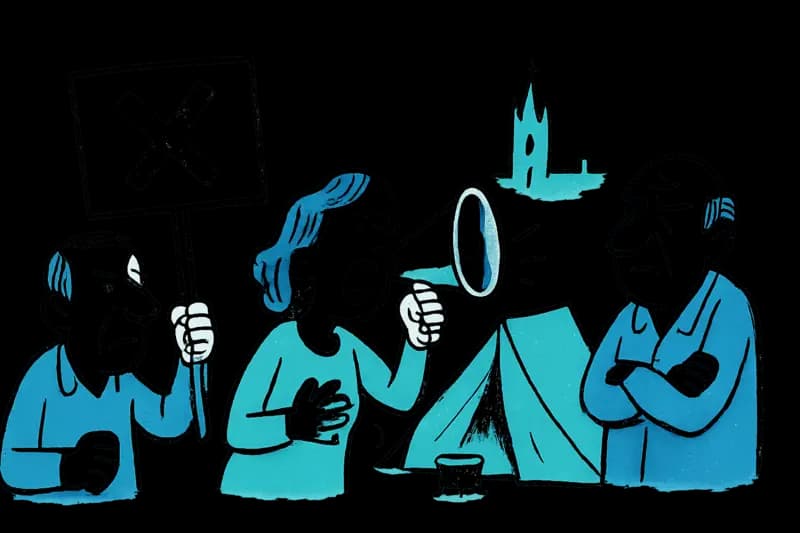
Why Spain's housing crisis is driving snap elections — and what Palma must learn
The evacuation of an 87-year-old, failed rent decrees and tent camps in Palma: the housing crisis has escalated national...

Autumn Holidays Begin: Why Suitcases Are Disappearing Again in Mallorca
Just in time for the autumn holidays, lost suitcases are piling up at Palma airport. Who is to blame — the weather, tigh...
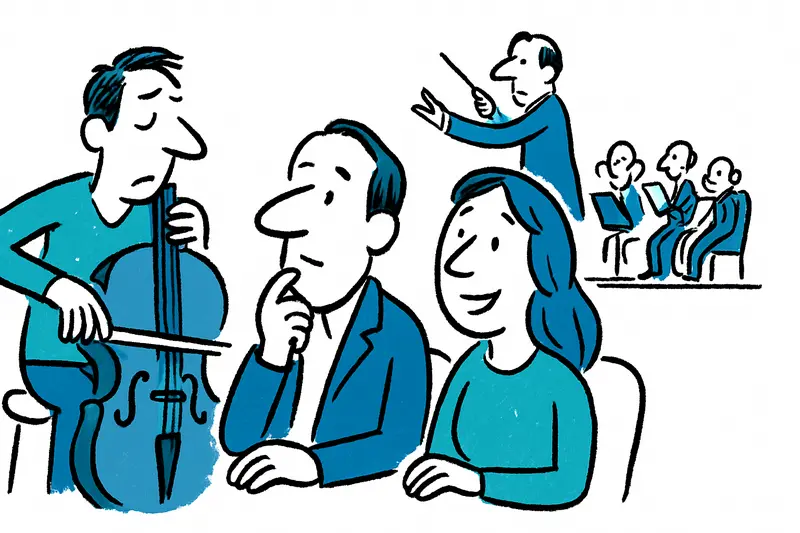
Season Opening at the Auditorium: Elgar, Strauss and an Evening for Listening
On October 8 the Orquestra Simfònica de les Illes Balears brings two musical extremes together in Palma: Elgar's intimat...
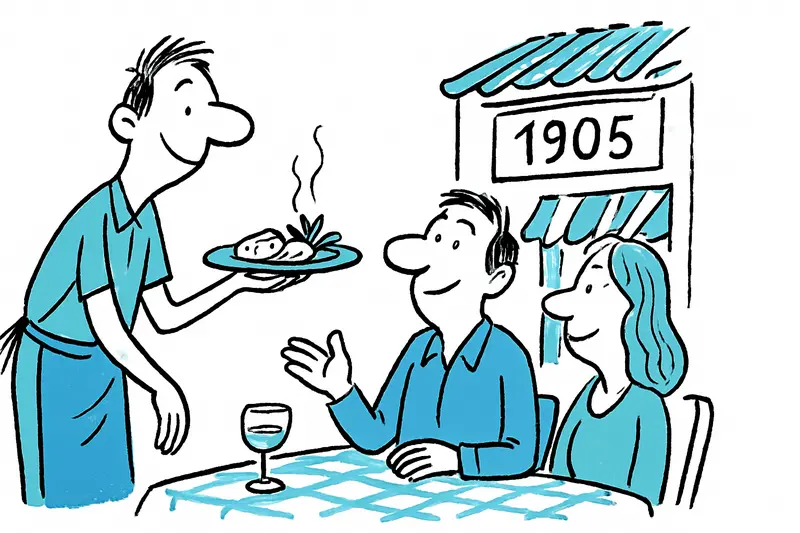
Ca’n Garrit in Calvià – A Tavern Breathing Since 1905
In the middle of Calvià’s Carrer Mayor 45 stands an establishment that combines tradition and fresh craftsmanship: Ca’n ...
More to explore
Discover more interesting content

Can Cap de Bou

Townhouse Lleo 72
