
Exam Day at the UIB: Almost 5,000 Candidates — Is the Plan Enough?
Exam Day at the UIB: Almost 5,000 Candidates — Is the Plan Enough?
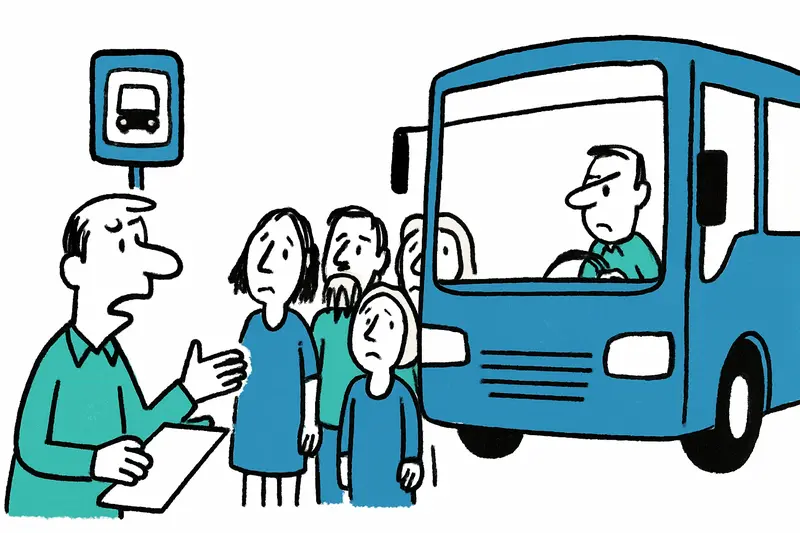
Nearly 5,000 examinees are taking the PAU on the Balearic Islands this week. More buses are already scheduled — but what is really missing when thousands arrive in Palma?
Exam Day at the UIB: Almost 5,000 Candidates — Is the Plan Enough?
Key question: Is additional local transport sufficient, or do examinees need more than just punctual buses?
Since the morning of June 2, students across all four Balearic Islands have been sitting in classrooms — people who studied for weeks. In total, almost 5,000 individuals are registered for this year’s PAU university entrance exams; on Mallorca alone more than 4,000. The exams run until Thursday at nine locations, spread across nearly 100 exam rooms. University management has announced that shuttle services will be reinforced with additional metro and bus connections, particularly to the Campus awakens: Over 14,000 students start at the UIB – new master's programs and a view of the sea. Preliminary results are scheduled for June 10.
On paper, these numbers look reassuringly planned. In reality, however, exam days are about much more: calm, space, accessibility for everyone, and avoiding small disturbances that can have major consequences for candidates. A look at the flow around the UIB in the early morning shows what those responsible must prepare for: at Palma’s Estación Intermodal the crush of commuters mixes with school buses; on-platform cafés host youths with thick folders taking a quick espresso. Arriving buses open their doors, voices grow louder, a distant ambulance siren echoes — every disruption can be nerve‑racking at such hours.
Viewed critically, several weak points lie close together. First: capacity versus distribution. Nearly 4,000 examinees on Mallorca mean individual sites can become stubborn bottlenecks if train or bus services are only expanded in spots. An extra pair of buses in the morning helps, but what if a scheduled bus fails or a traffic delay occurs? Second: waiting areas. Many exam buildings are not designed to accommodate large groups waiting for extended periods. In summer this becomes a strain — not just because of heat, but also because of concentration and stress management.
Third: accessibility and special cases. Among the thousands are students entitled to accommodations, those with chronic illnesses or acute exam anxiety. Public discussions often focus on figures and logistics, rarely on the concrete implementation of support on exam day: separate exam rooms, on-site medical care, or reliable contacts if something goes wrong at short notice.
Fourth: information flows. Naming a publication date for preliminary results (June 10) is important. What is often missing is the type of communication beforehand: where are live updates about room changes? Are there SMS or email notifications for transport disruptions? Examinees need short, reliable information — not just general notes on a website.
What has been barely addressed in public debate so far? First, the psychological strain on the days themselves. A Fifth Year for Teacher Training at the UIB: Luxury or Necessity for Mallorca? and preparation courses and tutoring are discussed, but the concrete handling of exam stress on the morning — cool rooms, clear emergency numbers, options for a final quiet phase before entering the hall — remains underrepresented. Second, the interface between schools on the smaller islands and examination centers: for students from Menorca or Eivissa (Ibiza) travel is a logistical feat; alternative exam routes or flexible time windows are rarely openly discussed.
Concrete proposals that could help quickly: 1) Dedicated shuttle lines with fixed timetables transporting only examinees and given priority at junctions. 2) Designated, air-conditioned waiting areas with drink stations and rest zones near exam rooms. 3) A digital info board and SMS service reporting short‑notice room changes or delays. 4) Clear points of contact at each exam site — a visible help desk empowered to make decisions within minutes. 5) An emergency protocol for disruptions (illness, traffic failure, strikes) that provides alternative dates and substitute arrangements.
On Mallorca the transport operators were willing to cooperate — the additional metro and bus services are a right step, and broader initiatives like UIB expands: Six new bachelor's degrees aim to keep students and professionals on Mallorca indicate institutional growth. But they are part of the solution, not the whole. When the morning heat rolls in and the UIB gates fill, examinees need more than punctual connections. They need spaces that provide protection and calm; information that reliably reaches them; and a personal contact who responds to emergencies with solutions, not forms.
Conclusion: The PAU on the Balearic Islands is a large-scale operation — almost 5,000 participants, nine locations, nearly 100 rooms. That is a logistical achievement. But exam quality is measured in details too: how people arrive, how they are cared for on site, how quickly problems are resolved. Those who want to be safe must invest where the plan leaves gaps: waiting areas, crisis communication and individual support services. Otherwise a well-planned day can quickly turn into an exhausting marathon — and that is the worst thing that can happen to an exam.
Frequently asked questions
What is the weather usually like in Mallorca in early June?
Is Mallorca warm enough for swimming in early June?
What should I pack for Mallorca in early June?
Is early June a good time to visit Mallorca for outdoor activities?
What is Palma like in early June?
Is Alcúdia a good place to stay in Mallorca in early June?
What is Sóller like to visit in early June?
Should I expect crowds in Mallorca in early June?
Similar News

Micaela Schäfer: Between Playa de Palma and a Berlin Law Firm — New Calm, an Old Tomcat and Solid Finances
The party artist from the Ballermann scene appears surprisingly down-to-earth: a new relationship with a Berlin lawyer, ...
At Playa de Palma: Fire in Residential Building – six people rescued on the roof, what is missing in prevention?
In the evening a fire broke out on the first floor of a five‑storey building on Calle Trasimé. Six residents fled to the...

New License Requirement for Mini-Boats in Mallorca: Protection Measure or Tourism Brake?
From October 1 renters of small recreational boats in the Balearics must present a boating license. Critical questions r...

After the Storm: Mallorca Breathes Easy — Warm Weekend with Short Showers
The thunderstorm left its mark, but calm returns for the weekend: sun, summer temperatures around 32 °C, isolated shower...
No More 'Just Hop on a Boat': Mallorca, Mandatory Boating License and the Open Questions
From October 1, the Balearic Islands will require a boating license for small rental boats under five meters/15 hp. A tr...
More to explore
Discover more interesting content

Boat Tour with BBQ along Es Trenc Beach
Private transfer from Mallorca Airport (PMI) to Pollensa
