
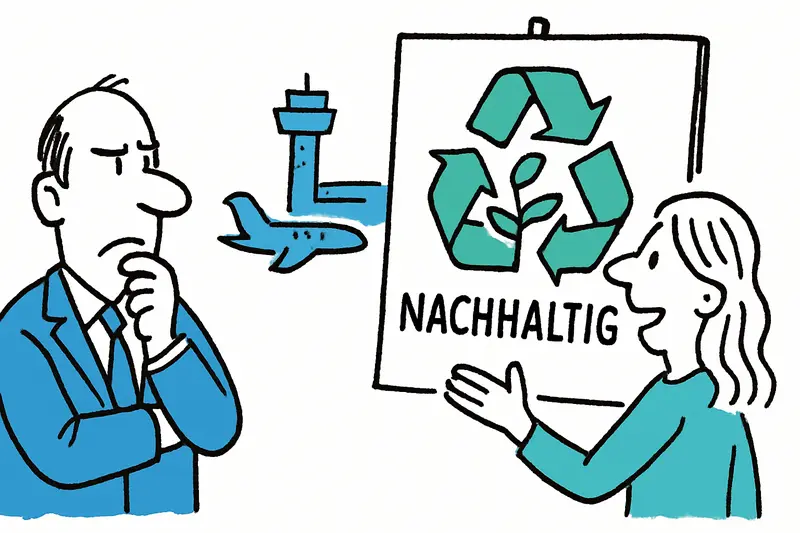
Sparkassen Poster at the Airport: Show or Genuine Rethink?
Sparkassen Poster at the Airport: Show or Genuine Rethink?
The Sparkassen Financial Group removed a controversial poster at the airport. Was that a sincere concession or mere damage control? A reality check from Palma.
Sparkassen Poster at the Airport: Show or Genuine Rethink?
Key question: Is removing an advertising poster enough to seriously address the concerns of the island's residents?
At Son Sant Joan you can see delivery vans, taxis and porters in the morning shuttling between the departure level and the arrivals zone. It was exactly there that a large advertisement by the Sparkassen Financial Group recently stood, which many here perceived as a provocation, similar to Soller hangs photos of suspected pickpockets — provocation or necessary wake-up call?. The company has now announced that it will take down the motif at the airport and also remove similar ads referencing mass tourism in Germany. Officially this was done to show respect towards Mallorca; the payment platform Wero is to continue being promoted — only with different wording.
This is the moment for a reality check: what does such a reaction really mean when you listen between the shops in Palma's old town, on the promenade of Playa de Palma and in the small bars at Cala Major? For many residents it's not just individual posters, but a feeling that the mechanisms creating the pressure are barely being touched; similar airport-level quirks were reported in Tiny Symbols, Big Confusion: Ryanair Pictograms at the Gate in Palma.
Critical analysis – The removal of the poster is first and foremost symbolic politics. A corporation protects brand and reputation when public sentiment threatens to tip into the red. That's PR 101. But the problem the poster highlights — high tourist numbers, sometimes inconsiderate behavior, strains on infrastructure — remains. Advertising creates images and expectations. If companies continue to link products with a mass-tourism aesthetic, they encourage demand and travel behavior, even if individual motifs are taken down.
Moreover: advertising campaigns often run independently of local affected people. Decisions about motif, text and placement are made in marketing departments that may view Mallorca only as a target market — not as a living space. That leads to a divergence of interests: corporations want reach, the island needs rules to protect quality of life.
What's missing in the public discourse – The debate focuses on outrage about a poster and on corporate image. Rarely discussed is how advertising concretely contributes to visitor flows, how airport spot prices and marketing strategies affect local everyday costs, or what responsibilities advertisers and airport operators have; debates about gate-level measures such as New hand luggage measuring frames at Palma Airport: More clarity or just theatre at the gate? underline how operational choices shape visitor experience. It's also seldom asked whether binding advertising guidelines should exist for tourist hubs.
Everyday scene from Mallorca: At the Mercado de l'Olivar vendors stand next to wooden crates with mandarin-red labels and discuss that images of overcrowded beaches attract more guests but don't bring more income for everyone. A cleaner at the Plaça Major says she would prefer investments in good public transport rather than new slogans on billboards.
Concrete solutions – A few proposals that go beyond taking down posters:
- Airports and cities could introduce binding advertising guidelines: no motifs that encourage mass influx into sensitive places; labeling when campaigns specifically promote visitor flows.
- Advertising at public transport hubs should be designed in coordination with local authorities. An advisory board with representatives from municipalities, the tourism authority and civil society could review motifs in advance.
- Companies that advertise using island imagery should contribute to local projects: funding infrastructure, cleaning or sustainable mobility offers during pressured summer months.
- Obligation of transparency for campaigns: who advertises which target group, through which channels and with what goal? That would help make effects on visitor flows traceable.
- In the long term: promotion of advertising concepts that spread seasonality and strengthen places away from the hotspots.
These measures require more than a PR statement. They demand accountability in shaping tourist demand — and binding measures, not just voluntary ones.
Conclusion – The removal of the poster is a small concession. It can ease the anger, but not improve the situation of people on the ground as long as marketing strategies and tourism interests remain unregulated. Those who speak of respect must give it room: real regulations, co-determination by municipalities and reliable contributions from companies are what help here — not simply new wording for the same advertising. Otherwise the whole thing remains a well-placed insurance against image loss, but not a real contribution to life on the island.
Frequently asked questions
What is the weather usually like in Mallorca in early spring?
Can you swim in Mallorca in spring?
What should I pack for Mallorca in spring?
Is spring a good time to visit Mallorca?
What is Cala Millor like in spring?
What is Port de Sóller like in spring?
What is Palma de Mallorca like in spring?
What kind of activities work best in Mallorca during spring?
Similar News

When the Wallet Becomes a Danger: Attack in Peguera and Lessons for Mallorca
In Peguera, two women are said to have stolen the wallet from a 75-year-old German couple. When the victim intervened, t...
Plata stays Plata: Young people take over, Llonguets remain
A small bar on Carrer de l'Argenteria will continue: Tolo Serra hands the place over to young Mallorcans at the end of t...

Unnoticed in the Luggage Compartment: How a Boy Traveled More Than 100 Kilometers in a Team Bus
A minor traveled in the undercarriage of a team bus for more than 100 kilometers until his cries for help were heard. A ...

Cap Vermell Grand: Second Michelin Key – a Gift for the East
The Cap Vermell Grand in Capdepera has been awarded its second Michelin key. For the region this elevates the luxury off...
Eurowings lets four aircraft carry names – a friendly idea that also reaches Mallorca
Eurowings is launching a campaign: four Airbus A320s are to carry the first names of people who help others in everyday ...
More to explore
Discover more interesting content

Can Cap de Bou

Townhouse Lleo 72
