
Platform Assault in Palma: Why Quick Arrests Alone Are Not Enough
Platform Assault in Palma: Why Quick Arrests Alone Are Not Enough
At the intermodal station in Palma a man attacked a woman and later threatened police officers. A closer look: What is missing in the discussion about safety, prevention and victim support?
Platform Assault in Palma: Why Quick Arrests Alone Are Not Enough
Key question: Is it sufficient to arrest perpetrators immediately if the system for prevention and victim protection remains patchy?
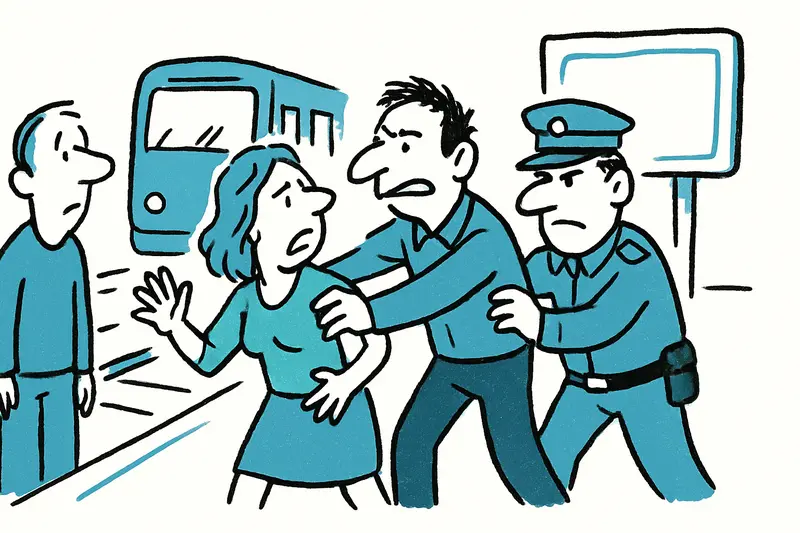
Late on Saturday afternoon a scene unfolded at the intermodal station in Palma that is unpleasant to witness: a man touched a woman against her will, fellow travelers and commuters looked on, and police officers intervened. The arrest was carried out on site by deployed National Police officers, who are currently accompanying the island's summer months with reinforcements from the mainland. After the arrest, the suspect is said to have threatened and attacked the officers holding him; the injured officers later required medical treatment. The case has been covered in Sexual assault at the Intermodal: What the incident reveals about safety and accessibility in Palma.
At first glance such reports are straightforward: an assault, an arrest, a report. But a closer look reveals a broader picture. Announcements echo across the station forecourt, suitcase wheels clatter on the ground, vendors call out their offers. In this everyday backdrop, things happen that can occur when prevention, victim support and clear rules of conduct in busy places do not work together.
Critical analysis: The quick reaction of the police is important and correct. At the same time, it is worth asking how such assaults can be prevented before an arrest becomes necessary. Who actually monitors crowds at transport hubs? Is there sufficiently trained staff who not only respond but also de-escalate? And how is follow-up care for victims organised — from the initial offer to file a report to first psychological support? Similar arrests after threats were reported at the city beach in Arrests after threats at the city beach: Why an evening stroll must become safer again.
Public debate currently often lacks a sober discussion about preventive measures in urban spaces: better lighting, visible contact points for victims, staff trained in violence prevention at stations and on public transport. Technical measures such as targeted video surveillance at critical points are also discussed — but without clear rules on data protection and accountability such promises remain half-baked. This echoes concerns raised in Assault at Palma Station: Why Visibility Alone Doesn't Protect.
Another gap: information and awareness. Many people, including locals, do not know exactly how to behave during an assault, what immediate steps are possible and where help can be found. This leads to uncertainty, silence and sometimes dangerous situations in which intervention by uninvolved bystanders becomes risky.
Everyday observation from Palma: on a hot summer day older travelers sit on the benches of the station forecourt, young people try to play cards in the shade, and taxi drivers shout arrivals. In this mix it is easy for assaults to go unnoticed for a short time — or later only to be vaguely recounted. The voices of victims often get lost between the rumble of trains and loudspeaker announcements.
Concrete solutions that could work here: firstly, fixed contact points at the station with trained staff who are immediately available for victims and can, if necessary, refer them to police, medical services and victim counselling. Secondly, targeted prevention shifts during times of high passenger volume, not just for visibility but with training in de-escalation and victim engagement. Thirdly, information campaigns — striking notices on timetables, in trains and at station entrances on how to report an assault and where to find immediate help. Fourthly, better networking between transport operators, police stations and social services so that victims do not end up in bureaucratic limbo.
Politics and administration are called upon to provide funds but also to define clear standards: when does which body intervene? Who takes care of first aid, who records the report, and how is evidence secured in a busy location? Without such processes, quick arrests remain only the first, albeit necessary, step. Other incidents, such as Nighttime Break-ins in Palma: Arrest Stops the Spree — But How Safe Is the Old Town Really?, show that arrests do not resolve underlying safety problems.
Conclusion: The arrest at the intermodal station was necessary and correct. Even more important, however, is to learn from the incident and improve everyday conditions. Palma is an island city with heavy foot traffic, loud announcements and hot afternoons — precisely for that reason we need more than just police interventions: clear prevention, visible help for victims and a networked response that continues after the arrest. Only then will a moment of intervention become a lasting increase in safety for everyone who uses the island's stations daily.
Frequently asked questions
When is the best time to visit Mallorca for good weather and fewer crowds?
What should I pack for Mallorca's weather across the seasons?
Is it safe to swim in Mallorca year-round?
How can I get around Mallorca without a car?
Which beaches in Mallorca are good for families?
What is Mallorca's weather like across the seasons?
What outdoor activities can I enjoy in Mallorca?
What should I try for Mallorca’s local food?
Similar News
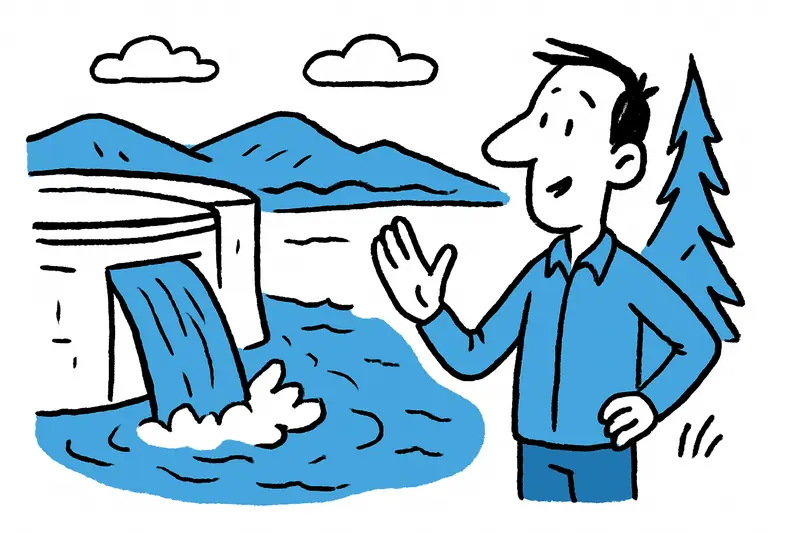
More water than last year: Mallorca's reservoirs breathe easier
September rain refilled the Tramuntana's reserves: overall fill around 35 percent, Cúber at 40.42 percent, Gorg Blau at ...
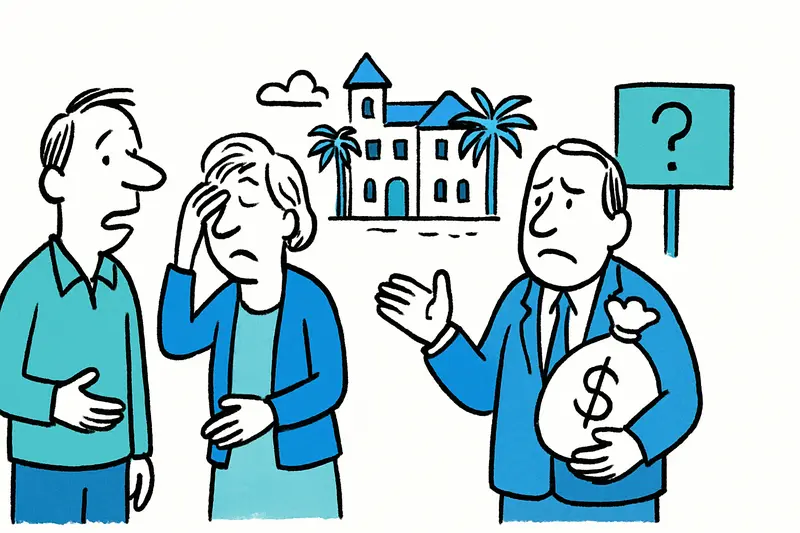
Three Luxury Hotels in Banyalbufar: Lots of Money, Many Questions
A Danish investor plans three exclusive accommodations in Banyalbufar — including the historic Son Valentí. The announce...
2.1 tonnes of cocaine on sailing yacht off Spain's coast – a reality check for the coastguard
A 14-metre yacht was seized with 2.1 tonnes of cocaine. Who monitors the ports, how does the international hunt succeed ...

Heat Bonus in Mallorca: 100 Euros Extra for Outdoor Staff at MarSenses
MarSenses pays employees who worked outdoors in August an extra €100 as recognition. Lighter uniforms, reduced hours for...
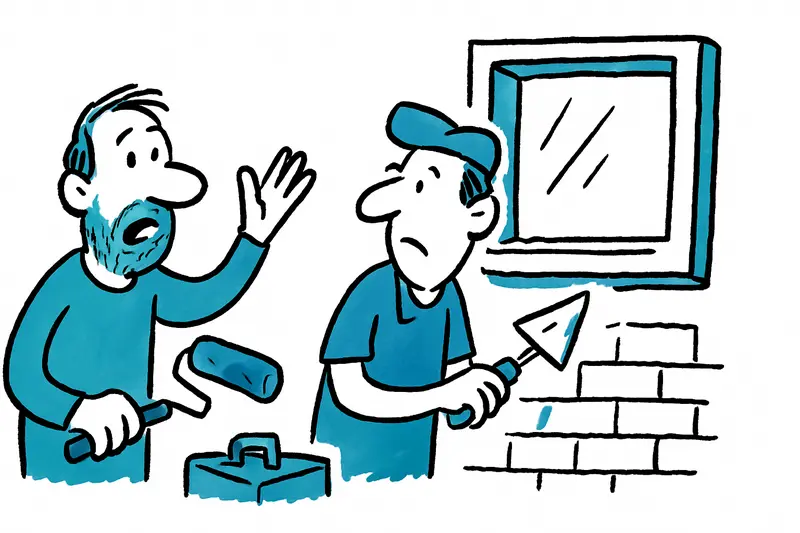
Renovating in Mallorca: What You Really Can Do Without Neighbour Consent
Many think they can do whatever they want in their apartment. That's partly true — but only as long as structural elemen...
More to explore
Discover more interesting content

Can Cap de Bou

Townhouse Lleo 72
