
Plaza España in Palma: Attack, Bite and the Question of Safety
Plaza España in Palma: Attack, Bite and the Question of Safety
At Plaça d'Espanya a woman was attacked and bitten by two women who stole her handbag. The incident raises a simple but pressing question: How safe is Palma really when violence happens in broad daylight?
Plaza España in Palma: Attack, Bite and the Question of Safety
Key question: How can public spaces like Plaça d'Espanya become safer again?
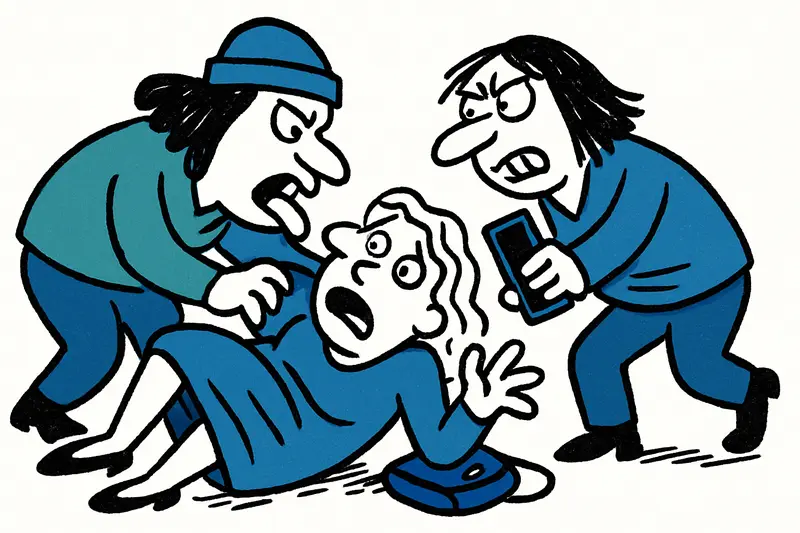
On the morning of January 2, a scene escalated on a busy street near Plaça d'Espanya that many of us would rather not experience: Two women approached a passerby, asked for a cigarette, the woman refused — and shortly afterwards she lay injured on the pavement. The attack turned physical: she was struck, forced to the ground and bitten. Her handbag and mobile phone were taken. Days later the victim recognized the two suspects, called the number 091 and the Policía Nacional intervened. Two women — one of Spanish origin, one of Cuban origin — were arrested and are now being charged with robbery with violence.
In short: a brutal robbery in the middle of the city, in broad daylight, similar to other incidents such as watch theft in Palma's Old Town. For residents and visitors strolling along Paseo Mallorca or the streets around the square, this does not sound like a distant headline but like a sting in everyday feelings of safety, echoed in reports like Nighttime Attack on the Paseo Marítimo.
Critical analysis: The incident reveals several weaknesses. First: visibility and presence. If violent assaults occur during the day, this points to gaps in the presence of law enforcement and to places that, despite public traffic, are little monitored. Second: prevention and assistance. Victims must know they are not alone; bystanders should act bravely but safely to intervene or help. Third: recognition and manhunt. In this case, the victim's recognition led to a swift arrest — a good example of how civic courage can work. But a single case does not fix the overall situation.
What is missing in the public discourse: The debate usually remains at the emotional level ("Is Mallorca still safe?"). We rarely talk concretely about urban design, lighting, video surveillance in critical zones or coordinated patrol plans. Also underrepresented is the discussion about preventive social work: Why do people end up in situations where they resort to violence? Prevention is not just more police, but also strategies against homelessness, addiction problems and organized petty crime.
A small everyday scene from Palma: On a gray January morning, the streets still damp from drizzle, you hear the wail of a tram, the clatter of a bicycle bell and market vendors leaving Plaça d'Espanya. In a corner tourist groups stand in coats — Germans, Britons, Spaniards — voices mix with the jangle of buses. It is in such a mixture of everyday life that an attack can happen — not in a dark side alley, but where life already pulses. That unsettles more than many figures.
Concrete proposed measures: 1) Visible, regular patrols in critical areas coordinated between Policía Nacional and Policía Local; rotating priorities, not just routine. 2) Improved street lighting and more functioning cameras at junctions — with clear data protection rules and publicly accountable responsibilities. 3) A local aftercare offer for victims: rapid psychological first aid, simple reporting procedures and a local hotline beyond the emergency number. 4) Prevention projects that bundle social work, low-threshold healthcare and drug support at hotspots, especially in zones that have seen episodes such as the brawl at Playa de Palma. 5) Awareness campaigns for bystanders: how to call for help correctly, how to document without putting oneself at risk.
Another practical point: communication. When arrests are made, the police must inform clearly and transparently — without sensationalism, but in a way that allows residents to retain trust. Likewise, street cleaning and municipal administration should work more closely with security forces to continuously analyze places where crime concentrates and adapt measures.
As for the numbers, we avoid speculation here. This report sticks to the known facts: attack on January 2, bite, theft of handbag and phone, recognition at Plaça d'Espanya, call to 091, arrest of the two suspects. Everything else must be the task of the investigations and the responsible authorities.
Conclusion: The incident at Plaça d'Espanya is a wake-up call. Not only for the authorities, but for everyone who experiences Palma daily: business owners, commuters, tourist groups, market vendors and pensioners over coffee. Safety does not arise from simply having more police on the street, but from a bundle of visible presence, preventive social work and urban planning that makes public spaces not only attractive but also resilient against crime. And yes: if you stroll through the square in the near future, look more closely — but avoid panic. Caution is wise, overreaction harms community life.
Frequently asked questions
Is Plaza España in Palma safe to walk around during the day?
What should I do if I witness a robbery in Palma?
How can visitors stay safer in busy areas of Mallorca?
Why are people concerned about safety near Plaça d'Espanya in Palma?
What is the best time of year to visit Palma if I want a calmer city experience?
What areas of Palma are busiest for pedestrians and tourists?
How can street lighting and patrols improve safety in Palma?
What should I carry with me when walking around Palma city centre?
Similar News

From the Ruhr Area to the Tramuntana: Thorsten Legat and the FC Germania Mallorca Adventure
The former pro has not only taken the coaching role on Mallorca but also moved into a small island shared house, set amb...

Silent Conquest: What Mallorca's Wildlife Can Do Against Introduced Snakes
For years non-native snakes have been appearing on Mallorca. Who monitors the import routes, how effectively do authorit...
Stolen motorcycles in vacant factory: Guardia Civil finds 19 vehicles
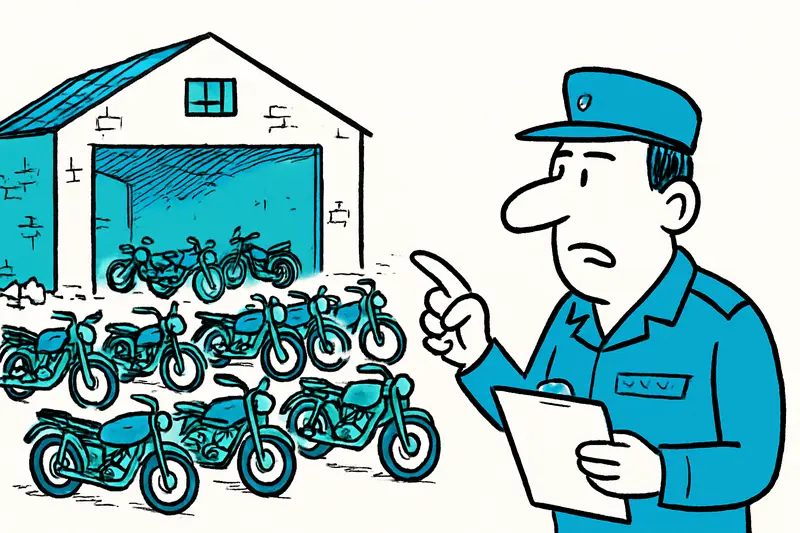
In Inca, investigators discovered 19 motorcycles stolen between April and June. In an abandoned factory near Selva, many...
Storm in Majorca: 75 Responses, Uprooted Trees and Beached Boats – Who Will Draw the Lessons?
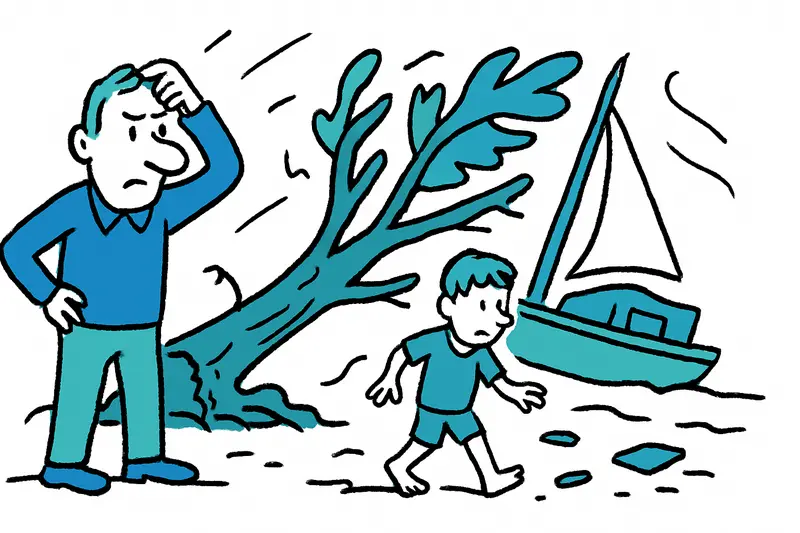
A sudden thunderstorm swept over the islands on Thursday evening, leaving uprooted trees, damaged boats and disrupted su...
Daily new boats: Mallorca and the Balearic Islands under pressure from rising arrivals from Algeria
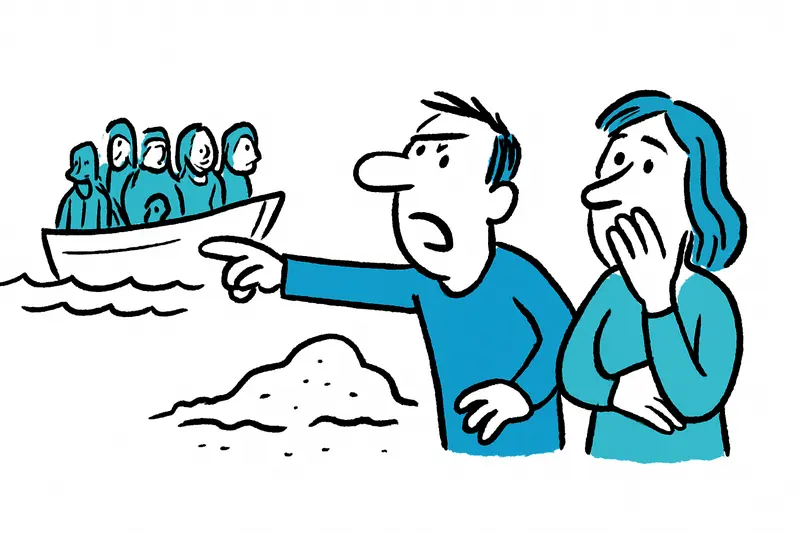
For months, arrivals of boat migrants from Algeria have remained at a high level. Places are lacking, unaccompanied mino...
More to explore
Discover more interesting content

Boat Tour with BBQ along Es Trenc Beach

Private transfer from Mallorca Airport (PMI) to Pollensa
