
When Sirens Become Lullabies: Police Escort Birth in Mallorca
When Sirens Become Lullabies: Police Escort Birth in Mallorca
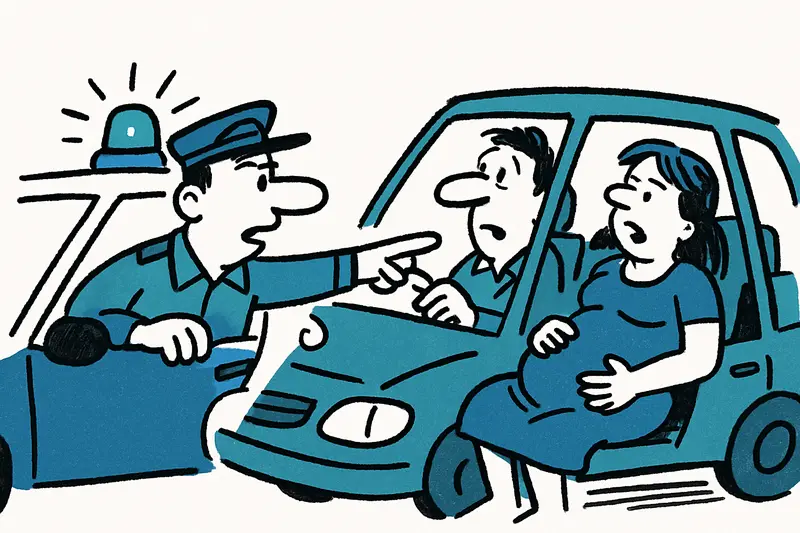
On Christmas Eve two Guardia Civil officers escorted a car along the MA-13 to Inca after the woman in the passenger seat went into labor. Under the supervision of a medical team, the baby was born en route. Weeks later the young family met their rescuers again in Alcúdia.
When Sirens Become Lullabies: Police Escort Birth in Mallorca
On a cold December evening, as car lights on the MA-13 flickered like small lanterns over the olive fields, a routine traffic patrol turned into a scene more typical of family stories than a country road: a young woman in the passenger seat was clearly in the final stages of labor.
The Guardia Civil patrol, which was on a routine run, decided immediately: speed up, but safely. With blue lights and siren the two officers led the vehicle for more than twenty kilometers toward Inca. One can easily imagine how the siren cut through the quiet plain, how drivers pulled to the side, and how the air smelled of sea and wet earth — typical of Mallorca's north coast on a winter evening.
Less than half an hour later, a medical team joined, accompanying the birth in the moving caravan. The journey didn't end at the hospital; the child was born while still en route. Mother and newborn were subsequently cared for at the hospital in Inca. The boy was named Víctor.
Stories like this show the other side of blue-light calls: not just operational plans and regulations, but quick, heartfelt decisions. Later, in the rooms of the station in Alcúdia, the family met the officers again. It was a friendly, human reunion: the policemen held the infant and presented the young family with small gifts — a moment in which uniforms were for a moment like outerwear and people were simply people.
In Mallorca one knows the close interweaving of public service and neighborhood life: whether it's the corner bakery where you exchange the latest news in the morning, or the Guardia Civil that patrols the MA-13. The scene is a reminder of how important it is to stay calm in emergencies while acting decisively. The participants did exactly that — turning a critical situation into a private celebration of life.
What can be taken away? First: preparation pays off. Pregnant women are advised to know travel times and routes to the place of delivery, especially in the island's more rural parts; recent coverage of a gynecologist shortage in Manacor that rerouted emergency births underlines this point. Second: a functioning emergency chord between authorities, rescue services, and clinics only works if all parties cooperate — and those involved in this case did so exemplary. Third: small gestures matter. A brief handshake, a photo, a small gift — all strengthen trust between citizens and emergency personnel.
And then the simple, warm observation of everyday life: on Mallorca such human things happen everywhere — in the market hall of Inca, on the way to the bay of Alcúdia, or on a country road at night. They are a reminder that our island is not only made of holiday motifs, but of life unfolding every hour.
For the young family, that evening marked the beginning of a new era with Víctor. For the Guardia Civil it was an operation the officers probably won't forget any time soon. For all of us it's a small story that gives courage: when necessary, people switch off their roles and turn on solidarity. Maybe an incentive to look more closely at your own neighborhood, keep phone numbers handy, and remember that help is often closer than you think.
Outlook
Such events should be a reason to check local emergency readiness: pregnant women can discuss precautions, families should know where emergency numbers are posted, and drivers should keep a first-aid kit in the car; local articles about staff shortages at Hospital Manacor illustrate why these measures matter. That makes Mallorca not only safer — it makes the island warmer at heart.
Frequently asked questions
What should you do if labour starts while driving in Mallorca?
How common is it for police in Mallorca to help in medical emergencies?
What should pregnant women in Mallorca prepare before travelling by car?
Why is Inca an important place for emergency births in Mallorca?
What is the MA-13 in Mallorca and why is it often mentioned in travel stories?
How do winter nights in north Mallorca feel when travelling by car?
What happens after an emergency birth in Mallorca?
Why do small gestures from police or emergency staff matter so much in Mallorca?
Similar News
Urgent Clearing of Palma's Torrents: Flood Prevention or Symptom of Short-Sighted Planning?
The city of Palma is responding to storm forecasts and has cleared several torrents. We ask: Is the short-term clearing ...
Evaneos and Mexico: A Reality Check for Sustainable Travel
Travel advertising often reads like a promise: local, sustainable, unique. But how deep do these promises really go? A c...
From Megapark to the Altar: Party Singer Now Offers Weddings in Mallorca
A well-known party artist combines partying and marriage: instead of a traditional church there are ceremonies at the Me...
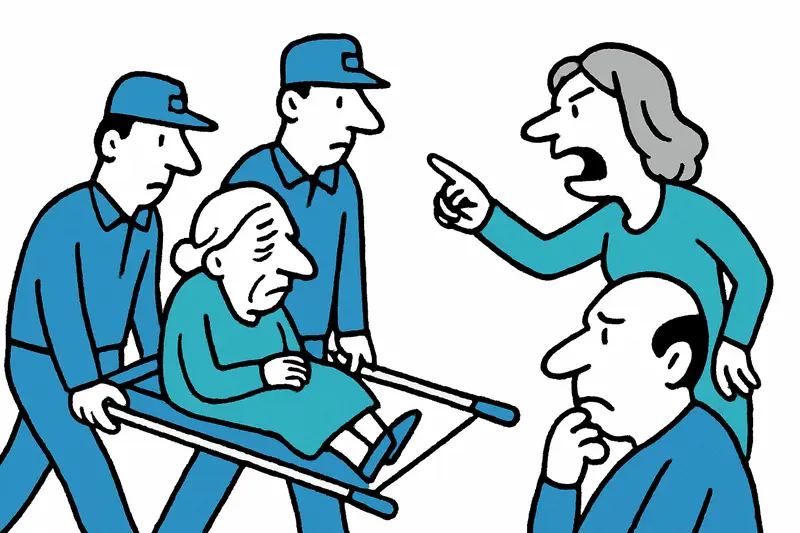
The Maricarmen Case: Why an Eviction Is Forcing Spain's Housing Debate
Images of an 87-year-old woman on a stretcher have sparked a debate in Spain that also runs deep in Mallorca. Who protec...
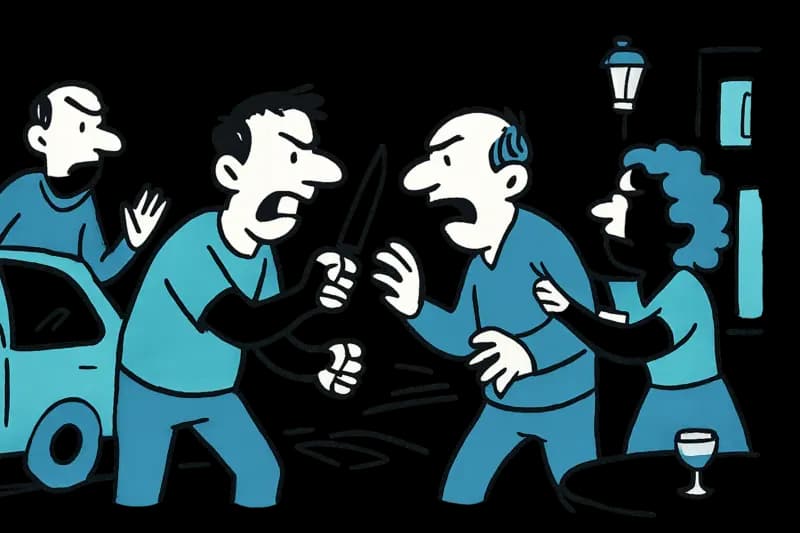
Parking dispute in Els Hostalets: When a gap leads to violence
A parking dispute on Calle Aragón escalated into a mass brawl at night. Why do trivial conflicts here turn bloody so qui...
More to explore
Discover more interesting content

Can Cap de Bou

Townhouse Lleo 72
