
Palma: Van with 700 Counterfeits Seized — Controls in Focus
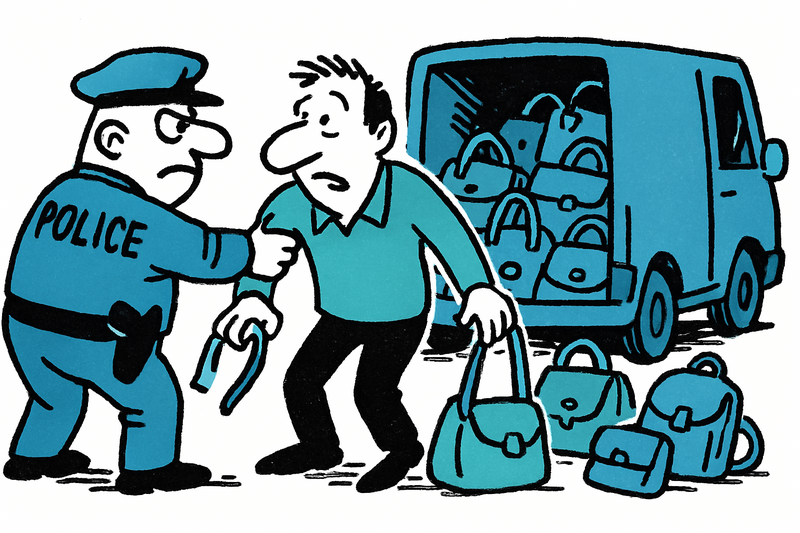
Police in Palma stop a van and find more than 700 counterfeit bags, backpacks and wallets. An attempted escape ends; the driver was traveling without a license.
Van Full of Counterfeits Stopped in Palma
Late in the morning, when the sun was already heating the cobblestones around the Mercat and seagulls were crying, the local police stopped a van that seemed to cause more unrest than it carried goods. What began as a routine check quickly turned into a significant discovery: more than 700 bags, backpacks and wallets bearing brand logos but only the appearance of authenticity, as reported in Packages Full of Counterfeits: Van with Over 700 Fakes Stopped in Palma.
Attempted Escape and Quick Resolution
When officers checked the paperwork, the driver tried to flee. A brief chase through narrow alleys ended abruptly. The commotion at the roadside — the clink of a coffee spoon, voices, a barking dog — contrasted with the calm professionalism of the officers who searched the vehicle. The man later admitted that he intended to sell the goods at various markets across Mallorca, as covered in Paquetes llenos de falsificaciones: furgoneta con más de 700 artículos falsificados interceptada en Palma.
More than a Traffic Offense
The situation worsened for the driver: he was driving without a valid license. In addition to charges for trademark infringement, he now faces proceedings for driving without a license. The police seized all items and stated that the counterfeits will be destroyed once legal formalities are completed.
Shadows Lurk Behind the Colorful Market Stalls
Markets are part of Mallorca's sounds and smells: fresh almonds, peppers, chatter, and occasionally a vendor loudly promoting a bag collection. But behind the everyday scene hide business models that harm the island: lost tax revenue, risks to legitimate traders, and an industry that fosters crime. This case shows how seemingly harmless questions at a market stall can quickly turn into legal and economic conflicts.
Less often discussed is how these supply chains are organized. Were the counterfeits part of an organized import? Were they smuggled into the country in large quantities, or was this an isolated action? Answers to these questions are crucial to target the networks that bring such goods to the island, as highlighted in Gran golpe contra la falsificación de productos: lo que realmente revela el papel de Mallorca.
Controls and Prevention: What Is Needed Now
The seizure is not a fairy tale but a sober call to action. Politically and administratively, several levers can be applied: stricter checks at transshipment points, closer cooperation between local police and customs authorities, and a requirement to present purchase and delivery documents for larger shipments, guided by World Customs Organization on counterfeit and piracy. On the markets themselves, stricter permitting and identity checks for vendors could be introduced.
Consumers also play a role. Those who buy consciously, ask about origins, and prefer local vendors make life harder for counterfeiters. An information campaign at the entrances to major markets — short, visible, in Mallorcan and Spanish — would prevent many mistaken purchases (see EUIPO Observatory on Infringements of IP Rights).
Consequences for the Island's Economy
Counterfeit goods are not only a legal problem. They undermine the prices of honest traders, reduce tax revenue and can damage the reputation of popular shopping streets. For an island that relies heavily on tourism, reputation and a sustainable local economy are closely linked. A tourist who has a bad experience at a market will spread the word.
No More Turning a Blind Eye, More Transparency
With this operation, the Palma police have sent a clear signal: turning a blind eye is no longer acceptable. But enforcement alone is not enough. A mix of prevention, punishment and education is needed. Practical suggestions range from mobile inspection stations during market weeks to a central reporting point for suspected cases.
In the end, it is everyday work that makes the difference: stricter checks at the port, linked databases, clearer rules for marketplaces and vigilant shoppers. The island is moving — you notice it in the bicycles along the Passeig, the scent of freshly brewed coffee — and in how even small checks can have a big impact.
Conclusion: The discovery of more than 700 counterfeits in Palma is a wake-up call. It exposes existing weaknesses and also offers the chance to make market structures more transparent and better protect the local economy. Sunshine and sangria may define Mallorca, but more than good spirits are needed to keep markets fair.
Frequently asked questions
Are counterfeit goods still a problem at markets in Mallorca?
What should I look for before buying bags or wallets at a market in Mallorca?
Why are police controls at Palma markets being tightened?
What happens to counterfeit goods seized by police in Mallorca?
Can markets in Mallorca be held responsible for selling fake branded products?
Is it legal to buy counterfeit goods at a market in Mallorca?
How can shoppers avoid fake goods at Palma markets?
Why do counterfeit goods matter for Mallorca’s economy?
Similar News

Maribel: Five Decades of Service – Housekeeper from Peguera Celebrated with a Special Honor
Over 50 years in the hotel business: María Isabel “Maribel” Molinos was honored in Palma at the Nit del Turisme by Unive...
Orange Alert over Parts of Mallorca: Are We Prepared?
Dark clouds and an announced wet spell have triggered an Orange alert in parts of Mallorca. A reality check: what's miss...

Sundair & Co.: Sale speculation and what it could mean for Mallorca
Rumors about a possible sale of the airlines Sundair and Fly Air 41, which belong to Schauinsland-Reisen — and whether b...
Anne Wünsche in Mallorca: A job offer with a catch — who fits the role of personal assistant?
Influencer Anne Wünsche has left Berlin and is urgently looking for a full-time personal assistant in Mallorca. Why the ...

Daily from New York: Palma Between Boom and Strain
United will increase the Newark–Palma route to daily flights in 2027 using Boeing aircraft (231 seats). What does the in...
More to explore
Discover more interesting content

Can Cap de Bou

Townhouse Lleo 72
