
Port d'Andratx: Lonely discovery in a holiday apartment – Who looks after our older neighbours?
Port d'Andratx: Lonely discovery in a holiday apartment – Who looks after our older neighbours?
A 79-year-old German tenant was found dead in his apartment in Port d'Andratx. Firefighters and the Guardia Civil had to enter via the terrace. The case raises questions about the loneliness of older people and about preventive care on the island.
Port d'Andratx: Lonely discovery in a holiday apartment – Who looks after our older neighbours?
A 79-year-old German was found dead in his apartment. The circumstances are calm, but the questions are loud.
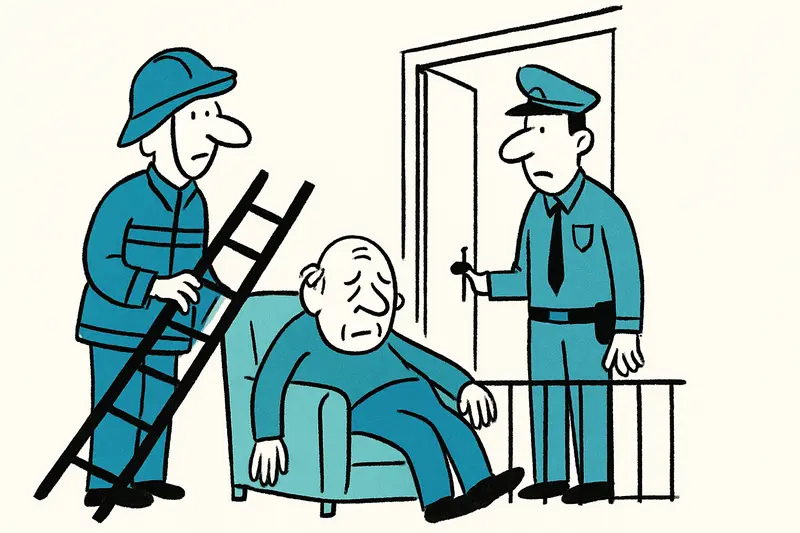
Yesterday a landlord alerted the Guardia Civil that he had been unable to reach his long-term tenant in Port d'Andratx for days. When no one answered, emergency services called the fire brigade. Using a turntable ladder, the rescuers gained access to the apartment via the terrace and found the 79-year-old man dead. According to initial information, the authorities assume a natural death.
The scene at the harbour is calm in the afternoon: seagulls calling, the distant whirr of a boat engine, voices from a street café. Such an image – harmless and familiar – makes it easy to overlook that besides holidaymakers, people also live here who are no longer as mobile as they used to be. An empty mailbox, a front door left unopened for days, an abandoned bicycle in front of the door – these are small signs that often only become noticeable when something terrible has already happened.
Key question: Why do warnings about vulnerable older residents in our villages often come too late?
Critical analysis: Mallorca has a high number of older residents and a growing population of people who live here permanently but have only a small social network; for discussion of demographic trends see Fewer seniors in Mallorca: Opportunity or a ticking gap?. Many are expatriate Germans or Europeans whose families live far away. Landlords, neighbours and local service providers are the first contacts – but no one is officially responsible for daily checks. When the landlord calls, action is usually reactive. The fire brigade can force entry, paramedics can provide medical assistance, and the Guardia Civil investigates. Prevention, however, is missing.
What is missing from public debate: There is rarely discussion about how private rentals, long-term residents and the lack of regular social checks interact. Debates about tourism, property prices or traffic noise dominate, while the issue of loneliness and health care for older inhabitants remains marginal. The question of what duties landlords, neighbours and municipalities have is also not discussed concretely enough.
Everyday scene in Mallorca: early in the morning the cleaner tidies the promenade, a fisherman carries crates to his boat, the baker fills rolls on the shelf. A neighbour looks briefly over the fence and asks if everything is alright – sometimes that is enough. In other cases concern remains only a thought. Social networks form in small squares and local bars, but in apartment buildings with many holiday guests or in condominium complexes that contact is often missing.
Concrete approaches: Municipalities and neighbourhood initiatives can implement simple, immediately feasible measures: 1) A voluntary reporting system for isolated or elderly residents that organises regular telephone checks. 2) Information obligations for landlords: provide contact details of a trusted person to be informed in an emergency. 3) Local volunteer networks organised via churches, marketplaces and clubs to offer targeted visiting services. 4) Technical aids: low-cost telecare solutions, fall detectors and simple motion sensors combined with privacy-friendly alarm chains. 5) Awareness campaigns in several languages – many residents do not speak Spanish, so German- and English-language information is necessary.
It would also be practical to have designated contacts in municipalities: social workers who maintain lists of vulnerable people and can carry out home visits if necessary. Training for landlords and property managers could show how to recognise warning signs and what legally secure steps are possible without violating privacy.
Concise conclusion: The discovery in Port d'Andratx is not an isolated case but reflects what happens when neighbourhood ties are lost; see Fatal Discovery in Son Macià: A Case Raising Questions about Protecting Older People. More presence, clear arrangements and simple technical aids can save lives. It does not cost a fortune, but it requires attention and the willingness to share responsibility rather than merely acknowledge it. On an island that depends on community, loneliness must not become the norm.
Frequently asked questions
What is the weather like in Mallorca in spring?
Can you swim in Mallorca outside the main summer months?
What should I pack for Mallorca in the shoulder season?
Is Mallorca a good place to visit in spring?
Is Palma de Mallorca worth visiting for a day?
What is Sóller like for visitors in Mallorca?
Is Valldemossa easy to visit from Palma?
What kind of trip is Alcúdia good for in Mallorca?
Similar News

Rental Car Theft in El Arenal: What This Incident Reveals About Our Gaps
A teenager steals a running rental car in El Arenal, flees on foot, climbs over walls and is caught by the Guardia Civil...
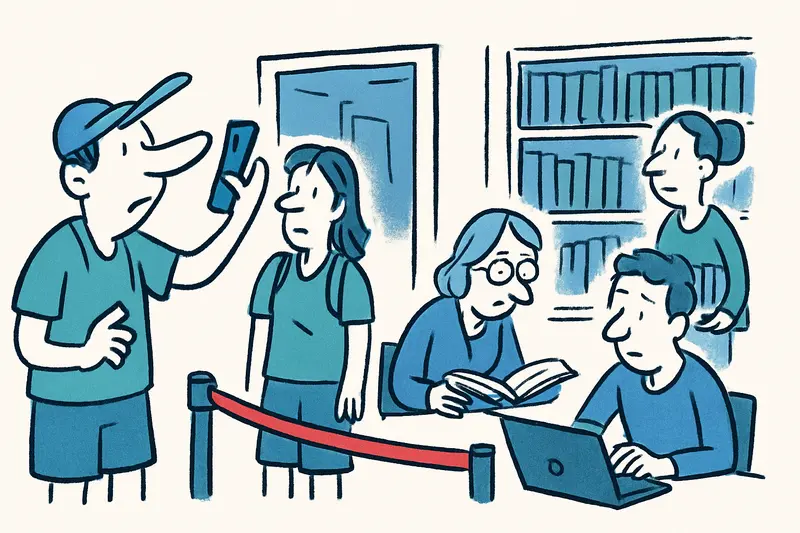
Red Rope in Palma's Library: What Helps Against Selfie Tourism — and What's Missing
Palma's city library cordoned off an area with a red rope to keep selfie tourism away from reading and working activitie...
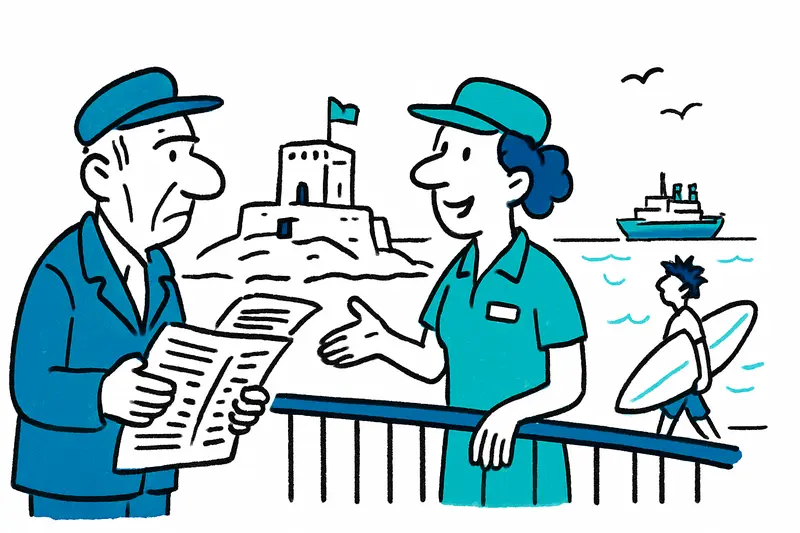
Fort San Carlos: Museum, Harbor Dispute — and a Conflict That Demands Answers
The military museum at Fort San Carlos sits right on Palma's harbor, with unexpectedly quiet rooms filled with cannons a...
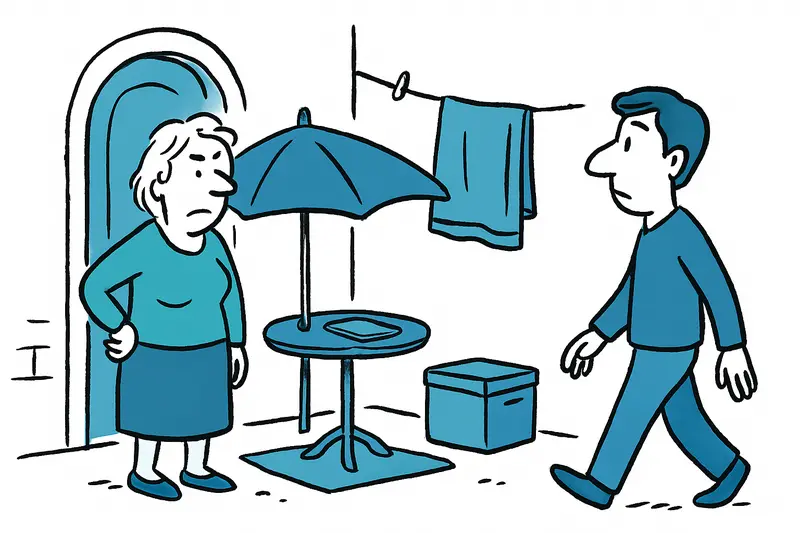
Old Town Under Pressure: When a Doorway Becomes a Sleeping and Shower Place
For months a woman has been living with a parasol, a clothes rack and personal belongings next to the social welfare off...
When Shopping Weighs Heavier: Mallorca Demands a Tax Pause on Food and Fuel
Rising prices are putting pressure on households and agriculture. The Balearic Islands are calling for temporary tax rel...
More to explore
Discover more interesting content

Can Cap de Bou

Townhouse Lleo 72
