
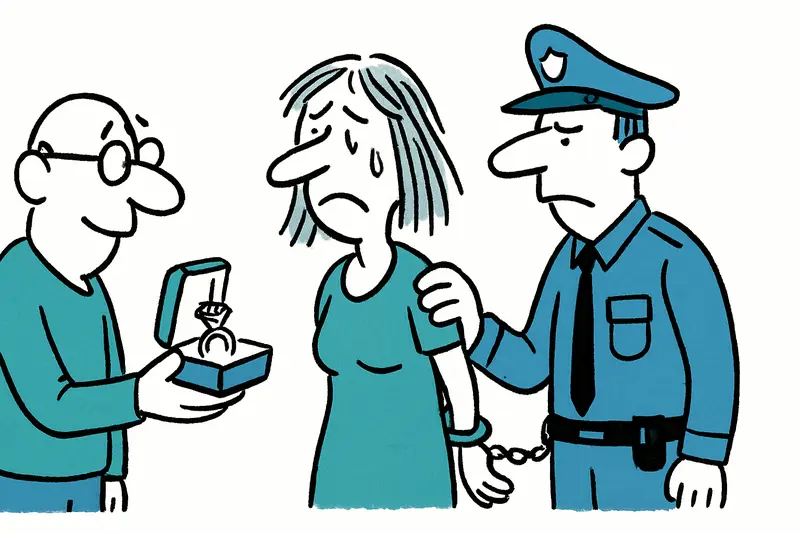
Porto Cristo: When Trust Shatters — Cleaner Under Suspicion
In Porto Cristo, the case of stolen jewelry prompts a fundamental discussion: How can households protect trust without sinking into suspicion? A look at causes, often overlooked aspects and practical prevention ideas for the island.
Porto Cristo: When Trust Shatters — Cleaner Under Suspicion
A morning in Porto Cristo: boats gently rocking in the harbor, somewhere fish sizzles in the fritanga and cups are being stacked at the corner café. Then suddenly police cases on the pavement, questions to shopkeepers and vendors — and the news that spreads: jewelry worth more than €11,000 is reported missing, as detailed in When Trust Breaks: Jewelry Theft in Porto Cristo and What the Community Should Do Now. Police from Manacor detained a cleaner; most of the pieces have been returned, but not everything has been found.
How did it come about?
The owner noticed gaps in her jewelry box while preparing the house for a family celebration. The report was filed the same day. Investigators followed sales channels: some items apparently ended up at flea markets or with local buyers — channels that are surprisingly often used on the island, a pattern also reported in Porto Cristo: When the Promenade Becomes a Target. While neighbors on the square whispered about the events, sea air and the smell of coffee mixed with the feeling that something familiar had been damaged.
Key question: Why does this happen in familiar households?
The material loss is only half the story. Jewelry carries stories: engagement rings, heirlooms, gifts. When someone to whom you give keys and trust is suspected, it strikes a deeper level. The real question is: how can the fragile relationship of trust between employers and household help be protected — without turning to surveillance or blanket suspicion?
Aspects that are often overlooked
First, the working conditions: many household helpers work informally, with short trial periods and without written agreements. In small communities people know each other; recommendations are trusted more than paperwork. Second, the economic reality: financial hardship can put people in situations where they make choices they otherwise would not. Third, the resale of stolen goods: flea markets and small dealers are often difficult to monitor. Receipts are missing, IDs are not always checked — traces disappear quickly.
Concrete opportunities and approaches
The case in Porto Cristo has shown: relying solely on investigations is not enough. Prevention must be practical and socially acceptable. Some proposals that can be implemented locally:
- Advice and checklists for employers of private help: short templates for references, simple written employment contracts in Spanish and Catalan, and clear rules for storing valuables.
- Awareness for buyers and sellers: a simple obligation to record ID details and issue receipts — not as bureaucratic harassment, but as a deterrent for fence dealers and as proof for honest traders.
- Volunteer market mentors: volunteers who inform customers on market days what to look out for and educate vendors about legal sales channels.
- Municipal information and mediation services: the town hall could offer regular consultation hours explaining legal questions, employment contracts and conflict resolution — preferably with language support for migrants.
- Digital tools: a simple local exchange platform for lost/found jewelry or a directory of local buyers who voluntarily commit to traceability.
Maintaining the balance
It is important that prevention does not turn into blanket mistrust. Mallorca thrives on neighborhood relationships and mutual trust. Measures should therefore be de-escalating: they should provide protection without stigmatizing people. Neighbors, café owners and market vendors can be sensitized without creating a culture of mistrust.
What happens now
Investigations are ongoing and the police are asking for tips — any observation can help find the still-missing pieces, a process similar to other Porto Cristo inquiries discussed in Porto Cristo: Trust in Expert Reports Crumbles — Why the Trial Is Being Reopened. The accused is presumed innocent. In the neighborhood, however, an open debate has begun: about responsibilities, about preventive practices and about how to remain in solidarity when trust has been violated.
Anyone who has seen something or is unsure whether a recently purchased second-hand piece of jewelry is legal is asked to contact the police station in Manacor. On an island where neighborhood means more than a word, it is up to us to preserve trust wisely — not blindly, but not with harsh prejudices either.
Frequently asked questions
What happened in Porto Cristo with the missing jewelry?
How can homeowners in Mallorca protect valuables when hiring household help?
Why are second-hand markets in Mallorca mentioned in theft cases?
What should I do if I suspect I bought stolen jewelry in Mallorca?
Is Porto Cristo still safe for residents and visitors after this case?
How do Mallorca police investigate stolen items sold locally?
What can a Mallorca town hall do to prevent household theft disputes?
How can Mallorca residents report suspicious jewelry sales or missing items?
Similar News
The End of the Cheap Ride? Why Mallorca Is Hit Harder by the Fuel-Price Shock
Gasoline and diesel average close to two euros per liter. What this means for commuters, supply chains and renters in Ma...
Relaxed liquid rules in Munich: What Mallorca travelers will notice
At Munich Airport the 100-milliliter rule will be lifted at all checkpoint lanes — thanks to new CT scanners passengers ...
For 45 Years on Mallorca — and Then This: How a Market Visit in Santa Ponsa Became a Lesson
A woman who has lived on the island for decades lost money and important documents at the Mercat Setmanal in Santa Ponsa...
10 percent surcharge on the beach: How legal and transparent is the extra charge at Playa de Muro?
A German part-time resident noticed days after a restaurant visit in Playa de Muro that the bill included a flat ten per...
Body near the Llevant Market: What this death says about our city
A man was found dead on Sunday afternoon near the Llevant Market. Police say the death appears natural. The scene raises...
More to explore
Discover more interesting content

Can Cap de Bou

Townhouse Lleo 72
