
Porto Pi Turns 30: A Place Where Shopping Becomes Everyday Life and Memory
Three decades of Porto Pi: more than shops — a meeting place with the scent of coffee, old leaflets and stories from Palma. An anniversary that makes urban identity visible and sparks interest in stronger local connections.
Porto Pi Turns 30: A Shopping Centre That Smells of Everyday Stories
On a clear Saturday morning in Palma the usual sounds mix together: the clatter of shopping trolleys, distant engines from the Paseo Marítimo and the occasional laughter of children out with their parents after school. The Centro Comercial Porto Pi on days like this feels less like a sterile shopping machine and more like a lived part of the city: a meeting place, a marketplace, a backdrop for small life stories.
An Exhibition That Aims to Evoke Everyday Life
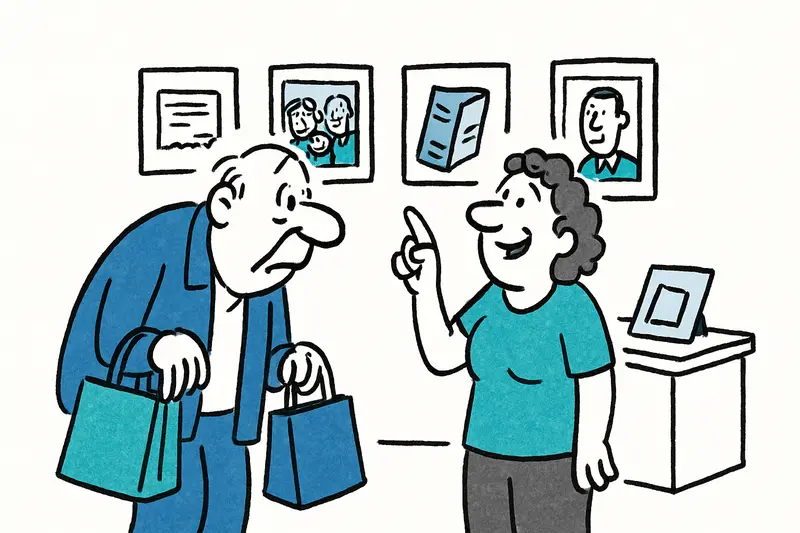
For its 30th anniversary exhibition at Porto Pi, the centre deliberately did not present a glossy report, but assembled a simple show. Old photos hang on the walls, yellowed leaflets lie between tables. These are not management documents but finds from daily life: receipts with faded ink, handwritten notes from shop owners and pictures from cinema nights. You can smell the coffee from the bar, see the seating areas where older women meet after mass — and suddenly you notice how many private stories take place here.
Change and Continuity
When Porto Pi opened in the mid-1990s, it was technically and conceptually a step ahead for Mallorca. Today three floors, around 130 shops and significantly more eateries are part of everyday life. Some shops have come and gone, others have remained. The sound of full rows in the car park on sunny Sundays and the groups that stroll to the promenade after shopping are familiar scenes.
Why the Centre Is More Than Commerce
Anniversaries like this show: a shopping centre creates identity because people begin to experience things there, repeat them and pass them on. Trainees take their first steps into work here, long-time saleswomen recognise regular customers and tourists stumble upon scenes from Palma's everyday life by chance. A centre that offers spaces for memories becomes a piece of urban culture.
Concrete Opportunities for the Coming Years
Porto Pi could have an even stronger impact on the neighbourhood. The ideas are obvious: more pop-up markets for local producers, open photo archives from the city's history, small evening events with music and crafts or street art workshops. More room for local art and regional products would make the shopping centre more personal — and draw locals more often than pure discount campaigns.
A Place of Routine and Surprises
It is the small, unspectacular moments that remain: an old leaflet rustling between the fingers, the squeak of a shop till or a short conversation at the coffee bar. These sounds give the space character. Ironically but truly: sometimes a shopping centre feels more familiar than some streets — because people return, because there are rituals.
Outlook: Preserve and Reconnect
Porto Pi has found its role in Palma. The challenge for the coming years is to preserve what works while creating new links to island culture. More local projects, exchange with neighbourhood initiatives and small archives could make the centre an even more vibrant place — for tourists and islanders alike.
So next time you are in Palma: take a moment. Have a coffee at the shopping centre's café, leaf through old brochures and listen to the conversations. You might discover a story that stays with you for a long time. And perhaps your photo will hang on the wall at the next exhibition.
Frequently asked questions
What is Porto Pi like in Palma on a normal day?
When is the best time to visit Porto Pi in Mallorca?
Is Porto Pi in Palma just for shopping, or can you also spend time there socially?
What kind of atmosphere does Porto Pi have compared with other malls in Mallorca?
What can you see at the Porto Pi 30th anniversary exhibition in Palma?
How has Porto Pi changed since it opened in the 1990s?
Could Porto Pi in Mallorca become more interesting for locals in the future?
Is Porto Pi in Palma worth visiting if you are interested in local Mallorca life?
Similar News
Cardiac arrest in the Tramuntana: Why a rescue often depends on chance
A 47-year-old cyclist suffered a cardiovascular arrest near Lluc. What went well, what is missing in the mountains — and...
Sunset and Sake: How Formentor and Palma Enliven the Late Season
Cabañas, theatrically presented cocktails and a sake spritz on the rooftop: Formentor and Palma blend luxury and everyda...

Between Arrival Hall and Hospital: 109 Capsules, One Case and Many Questions at Palma Airport
A traveler from Belgium was arrested at Palma Airport with 109 cocaine capsules, more than a kilogram. The case shows ho...

Why the Cologne–Palma Flight Stalled in Cologne — a Reality Check
A Eurowings A320 (EW584) came to a halt at the gate in Cologne/Bonn. Passengers had to disembark and wait more than two ...
Cardiovascular Collapse in Peguera: Rescue on the Beach and the Questions That Remain
An 88-year-old Swiss man was recovered unconscious from the sea off La Romana (Peguera) and, after prolonged resuscitati...
More to explore
Discover more interesting content

Boat Tour with BBQ along Es Trenc Beach

Private transfer from Mallorca Airport (PMI) to Pollensa
