
Two Dead in Portocolom: What the Silence in Carrer de Grívia Reveals
Two Dead in Portocolom: What the Silence in Carrer de Grívia Reveals
In a house in Portocolom a mother (80) and her son (54) were found dead. The Guardia Civil is investigating; there are no signs of external violence. The discovery of medications raises questions about isolation, care and prevention.
Two Dead in Portocolom: What the Silence in Carrer de Grívia Reveals
Discovery in a residential building raises questions about care for the elderly and the role of the neighborhood
On the afternoon of an otherwise quiet day a relative discovered two lifeless people in a house in Portocolom: an 80-year-old woman and her 54-year-old son. Police and Guardia Civil officers confirmed the deaths; the investigators responsible are currently examining the causes of death and the process echoes reporting such as Manacor: No murder — but many questions remain.
Key question: How well is our island prepared for cases in which loneliness, illness or psychological crises coincide?
The factual information is sparse and the outcome still open; other recent coverage, for example Two Dead on Balearic Coasts: When the Sea Withholds Answers, shows how initial reports can leave many questions. Medications on bedside tables naturally lead to quick thoughts of an accidental or intentional intake. Whether it was an accident, a suicide or another natural cause of death can only be clarified by forensic examination. Until then, speculation is harmful — nevertheless it is worth taking a sober look at the environment in which something like this can happen; local incidents such as the Head-on Crash near Manacor: Two Dead, Questions Remain illustrate how rapidly circumstances and interpretations can evolve.
Portocolom is not an anonymous suburb: the old fishing harbor, the narrow streets around the Plaça and the small shopping arcade are places that live from routine. But routine can be deceptive. If a neighbor doesn't see anyone at the door for days, if doctor's appointments become rarer and phone calls stop, that is an alarm signal. Such quiet signals often do not reach the places that could help.
What is usually missing from the public discourse are concrete figures and responsibilities: How often do general practitioners check their older patients at home? What collaboration exists between doctors, pharmacists and social services at the municipal level? Are there regular neighborhood networks in smaller towns that visit older people? Instead of general mourning, we need clarity about what was missed — and what can be done practically.
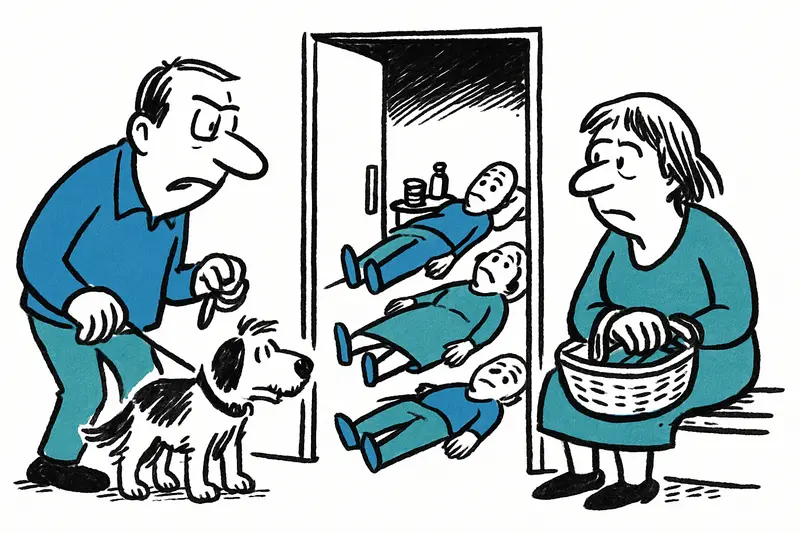
A realistic everyday picture: late morning on Carrer de Grívia, gulls cry over the harbor, a woman with a market basket sits on a park bench, a man walks his dog on a leash. People greet each other. But a greeting alone is not a safety net. A quick look into the stairwell, a phone call, a neighbor's emergency number — these are simple things that can protect lives.
Concrete approaches that could be implemented immediately:
1. Medication check in the GP practice: For older patients, general practitioners should regularly offer a medication review, especially when multiple drugs are prescribed. Interactions and overdose risks should be addressed.
2. Pharmacies as early warning points: Pharmacists see pickup routines and could inform colleagues or social services if they notice worrying changes. This requires short reporting paths and data protection rules that enable practical action.
3. Strengthen neighborhood networks: Municipalities can promote neighborhood lists, train volunteers and organize simple check-in actions — one phone call per week can be decisive.
4. Clear information about help services: Hotlines such as Teléfono de la Esperanza (971 46 11 12) and the national counseling hotline 024 must be clearly communicated. In acute emergencies call 112.
5. Relieve and coordinate social services: More interfaces between health services, social work and police can prevent cases from falling into bureaucratic gaps.
At the local level, the town hall and health centers can also start a simple prevention campaign: posters in pharmacies, leaflets in churches and clubs, information stands at markets. This does not require high technology, but networking and people who pay attention.
What the Guardia Civil's investigations will reveal remains to be seen — whether medical, police or forensic causes are involved. Until then, the surrounding community is called upon: less speculation, more concrete care. The quiet street where these two people died should remind us that help often begins at a doorstep.
Conclusion: Tragic discoveries like this are warning signs of gaps in care and communication. Not every solution is governmental; often it is the neighbor's attention, the initiative of the family doctor or a short phone call that helps. Those living in the neighborhood can call, ask and know the published help numbers: Teléfono de la Esperanza 971 46 11 12, national hotline 024, emergency 112. These numbers are not ritual — they are tools. Use them.
Frequently asked questions
What should I do if I think an older neighbour in Mallorca is living alone and may need help?
Can loneliness and poor follow-up really become a risk for elderly people in Mallorca?
What warning signs suggest that an elderly person in Mallorca may need urgent attention?
What help numbers should people in Mallorca know for mental health or crisis support?
What can pharmacies in Mallorca do when they notice an older customer’s routine has changed?
Are neighbourhood check-ins useful in towns like Portocolom?
What does the discovery in Carrer de Grívia in Portocolom say about community responsibility?
How can Mallorca communities prevent elderly people from falling through the cracks?
Similar News
Fewer Airlines, Fewer Destinations: What Palma's Winter Flight Schedule Means for Mallorca
Analysis shows: Winter at Son Sant Joan Airport will be quieter, with significantly fewer airlines and destinations. Who...
German tourist dies in Sa Calobra – a reality check for emergencies on Mallorca's beaches
A 40-year-old tourist died at the Torrent de Pareis. The emergency call, a doctor who happened to be present, a defibril...
Deadly Tractor Accident in Bunyola: What Needs to Be Done Now
In a work accident on an estate near Bunyola, a roughly 40-year-old man lost his life. His wife and a small child were o...
Head-first dive into the shallow part of Cala Fonoll: An accident and the unresolved question of responsibility
A young tourist dove into Cala Fonoll and was seriously injured. Key question: Why are clear warning signs missing at da...
Mistaken identity with fatal consequences: Brutal assault in S'Aranjassa — what's missing in the follow-up?
At S'Aranjassa a visitor to a finca was tied up, beaten and thrown out of a van. Three men have been arrested, including...
More to explore
Discover more interesting content

Can Cap de Bou

Townhouse Lleo 72
