
Portocristo: After the cleanup – the Cova Petita remains at risk
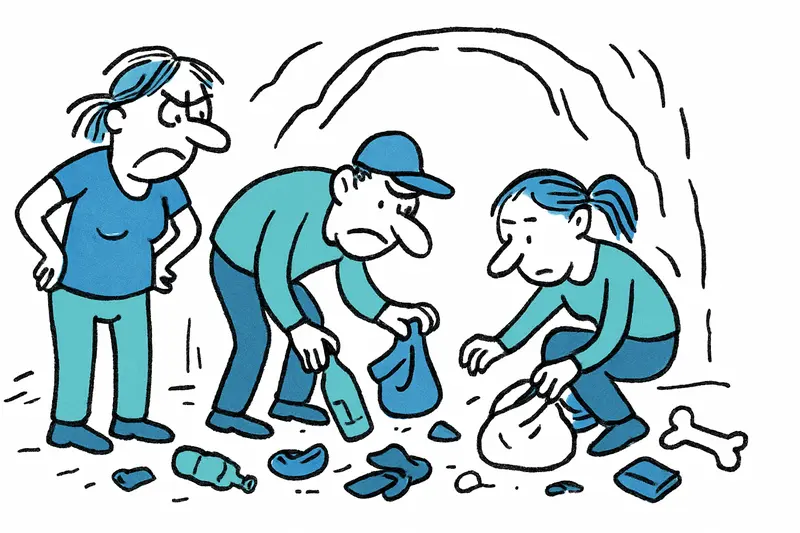
Volunteers clear the Cova Petita in Portocristo: pride in the work, but anger over the finds and the question of how to permanently prevent repeated dumping of waste.
Cova Petita cleaned up — but who will really protect the cave?
On Saturday morning, under a pale sky and a cool northeast wind, around two dozen people met on the old Camí toward the Cova Petita. Headlamps, gloves, thermoses — and the acrid smell of rotting plastic accompanied the group. Within a few hours bags, buckets and a small pickup truck were filled with the stuff that had been dumped into the 60-meter-long cave over the years: bottles, cans, broken shoes, wallets, packaging and even animal bones.
The big question: Why does this happen here — and again and again?
The Cova Petita is not hidden, it is sheltered. That very quality makes it attractive for illegal dumping. The upper entrance apparently had once been closed to stop such behavior. But waste found its ways: it lay along the path like a stream, layers formed, and in some places the ground bulged by more than a metre. Children who used to play there now avoid the place.
What the cleanup showed
The helpers, including speleologists, conservationists and local residents, dug carefully in some spots — for fear of further damaging archaeological layers or animal remains. The mood was mixed: anger at the thoughtlessness, sadness at the loss of a piece of our nature, and in the end a small sense of pride. Pride because something was rescued; but the pile of rubbish remained as a reminder.
Why the problem is bigger than it seems
Waste in caves is not just unsightly. It changes the microclimate, brings pollutants into sensitive ecosystems and can cover traces that span centuries. The presence of animal bones points to long-term neglect; they may contain important information for researchers that could now be lost forever. There is also direct danger: broken glass, sharp metal, possible biological contamination — all things that put helpers and visitors at risk.
What has been proposed so far — and why that is not enough
The local council announced barriers, additional informational signs and occasional patrols. Some neighbours call for cameras, others for regular cleanup days. Volunteers are blunt: such measures help but are not a guarantee. Once someone knows the routes, they can find workarounds. Cameras raise privacy issues, and too many signs are ignored like roadside litany.
Less highlighted aspects
There is less discussion about the long-term costs this neglect imposes on the municipality: costly removals of waste layers, lost scientific knowledge, reduced quality of life for residents — and an image problem that can stretch into the tourist season. Also little noted: the risk that individuals might unilaterally lock or "close off" access, which would complicate rescue and research entries.
Concrete, realistic steps
We need a mix of immediately implementable measures and a long-term strategy:
Short-term: organized cleanup actions with logging of find locations (GPS), coordinated disposal by the municipality, temporary secure closures with regulated access for researchers and rescue services, and more visible, factual information boards.
Medium to long-term: cooperation with schools and hotels for awareness programs, scheduled patrols during the season, a digital reporting function for residents (app or hotline), and targeted fines combined with transparent municipal action reports.
Less popular, but necessary: targeted surveillance only at documented hotspots combined with clear data protection rules; and a permanent responsibility within the municipal administration to document cases and follow up on measures.
What you can do now
The volunteers ask people to report find and dumping sites to the municipal administration and not to take private closure measures. Volunteers are already meeting again next week — with brooms, a wheelbarrow and the quiet hope that more education and clear rules will achieve more than a one-off cleanup; read local coverage at Volunteers Clean Cova de Cala Petita in Portocristo.
If you want to help: Contact the Ajuntament de Manacor official site, take part in organized cleanups or talk to schools and neighbours. If we want the sound of the sea on the Camí and the children's laughter back, we must act now.
Frequently asked questions
Why are caves in Mallorca sometimes used for illegal dumping?
What kind of rubbish is usually found in dumped cave sites in Mallorca?
Is it safe to visit a cave in Mallorca after illegal dumping has taken place?
Why is cave dumping a problem for Mallorca’s nature and archaeology?
What is being done to protect Cova Petita in Portocristo?
Can volunteers help with cave cleanups in Mallorca?
What should Mallorca residents do if they find illegal dumping in a cave?
Why does repeated dumping at Cova Petita matter for Portocristo?
Similar News
More water than last year: Mallorca's reservoirs breathe easier
September rain refilled the Tramuntana's reserves: overall fill around 35 percent, Cúber at 40.42 percent, Gorg Blau at ...

Three Luxury Hotels in Banyalbufar: Lots of Money, Many Questions
A Danish investor plans three exclusive accommodations in Banyalbufar — including the historic Son Valentí. The announce...
2.1 tonnes of cocaine on sailing yacht off Spain's coast – a reality check for the coastguard
A 14-metre yacht was seized with 2.1 tonnes of cocaine. Who monitors the ports, how does the international hunt succeed ...

Heat Bonus in Mallorca: 100 Euros Extra for Outdoor Staff at MarSenses
MarSenses pays employees who worked outdoors in August an extra €100 as recognition. Lighter uniforms, reduced hours for...

Renovating in Mallorca: What You Really Can Do Without Neighbour Consent
Many think they can do whatever they want in their apartment. That's partly true — but only as long as structural elemen...
More to explore
Discover more interesting content

Can Cap de Bou

Townhouse Lleo 72
