
Possible Gas Leak in La Vileta: Who Protects Tenants from an Invisible Danger?
Possible Gas Leak in La Vileta: Who Protects Tenants from an Invisible Danger?
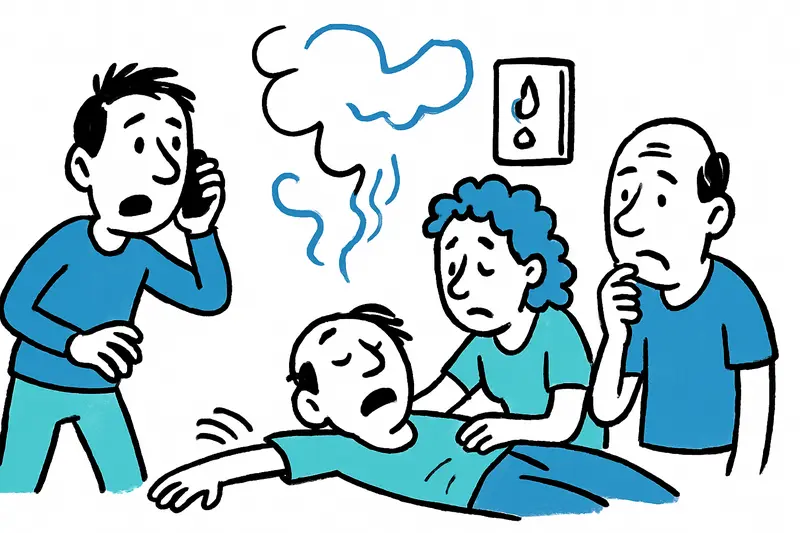
In the morning several people were found unconscious in an apartment in La Vileta. A young man alerted emergency services — he and three others were taken to Son Espases hospital, and nine residents were examined on site. Key question: Are prevention and inspections of gas installations in Palma sufficient?
Possible Gas Leak in La Vileta: Who Protects Tenants from an Invisible Danger?
Key question: Are inspections and precautionary measures in Palma sufficient to prevent neighbors from being put in mortal danger by an unnoticed gas leak?
Early in the morning emergency services found several unconscious people in a multi-family building in La Vileta. A man who apparently first noticed the situation and called the emergency services later lost consciousness himself. He and three other affected people were taken to Son Espases hospital for observation; nine other residents were examined on site. The search for the cause is ongoing; a possible gas leak is being considered.
The sequence of events is brief and the facts are clear: people became unconscious, paramedics attended, and hospital admissions have been confirmed. What is missing is an explanation of how the incident could have happened. Was it a pipeline defect, a wrongly connected gas cylinder, lack of maintenance, or something else? Such gaps increase the neighborhood's concern.
Critical analysis: Palma has older residential areas with installations from different decades. Gas pipes, flexible hoses for propane cylinders, as well as cookers and heaters in service apartments are potential sources of danger if inspections and maintenance are neglected. Authorities usually call for calm and patience after an incident — understandable — but prevention does not work with reassuring phrases alone. Verifiable standards and their enforcement are needed.
What is currently missing in the public debate is something decisive: concrete figures and clear responsibilities. How often are gas installations in rental apartments inspected? Who pays for defective hoses when owners cannot be reached, as shown in Arrest in Manacor: When Landlords Turn Electricity and Water into Weapons? Are there subsidies for smoke and gas detectors, especially in households with older or vulnerable residents? As long as answers remain vague, uncertainty remains high.
A typical everyday scene in Mallorca: on the street near the Fundació, the smell of freshly brewed cafe con leche mixes with the sound of delivery workers and playing children. In such streets many people know each other — they look out for one another. It was precisely this neighborly help that apparently prevented something worse today. But neighborhood solidarity is no substitute for technical safety.
Concrete solutions: First, mandatory, documented gas checks when apartments change tenants and at regular intervals for older buildings; the municipality could require and spot-check these. Second, state or municipal subsidies for gas and CO detectors, because many households avoid the expense. Third, clear regulations in rental contracts about who is responsible for maintenance — and a contact point for tenants when owners do not respond, as local coverage such as Manacor: Threats and Utility Shutoffs — How Unprotected Tenants Were Left Beside the Racetrack highlights. Fourth, information campaigns in multiple languages, since people from many countries live on Mallorca. Fifth, a digital reporting system where craftsmen and technicians record their inspections — transparent for residents and authorities.
For emergency services it would be helpful if standardized protocols were used in such operations: measurement of explosion and CO risk, ventilation concepts for stairwells, and rapid briefing of residents. Such routines protect paramedics, firefighters and residents alike, as other incidents in the city have underlined, for example Fire near Porto Pi: What the blaze reveals about safety in Palma.
What should happen next: The local administration must accompany the investigations transparently and publish the results promptly. Hospital reports on the affected people will provide information about pollutant exposure and possible long-term effects. Even more important is that the findings lead to concrete prevention measures — not abstract appeals.
Conclusion: Today’s incident in La Vileta is a wake-up call. It shows how quickly neighborly action can save lives — and how precarious the situation remains when technical safety standards are invisible in everyday life. It is up to landlords, authorities and all of us who live here to make this risk visible and manageable. A gas detector costs less than a night in intensive care; sometimes one small device is enough to prevent major harm.
If you live in La Vileta or elsewhere in Palma: check hoses, have appliances serviced, get gas detectors, following Gas Safe Register guidance for renters — and talk to your neighbors. Sometimes safety starts with a trip to the hardware store and a short conversation in the stairwell.
Frequently asked questions
What is the weather usually like in Mallorca in summer?
Can you swim in Mallorca in spring or autumn?
What should I pack for a trip to Mallorca?
When is the best time to visit Mallorca for good weather?
Is Mallorca good for hiking outside the summer months?
What is Alcúdia like for a beach holiday in Mallorca?
Is Palma de Mallorca worth visiting for a city break?
What is Sóller known for in Mallorca?
Similar News

More water than last year: Mallorca's reservoirs breathe easier
September rain refilled the Tramuntana's reserves: overall fill around 35 percent, Cúber at 40.42 percent, Gorg Blau at ...
Three Luxury Hotels in Banyalbufar: Lots of Money, Many Questions
A Danish investor plans three exclusive accommodations in Banyalbufar — including the historic Son Valentí. The announce...
2.1 tonnes of cocaine on sailing yacht off Spain's coast – a reality check for the coastguard
A 14-metre yacht was seized with 2.1 tonnes of cocaine. Who monitors the ports, how does the international hunt succeed ...

Heat Bonus in Mallorca: 100 Euros Extra for Outdoor Staff at MarSenses
MarSenses pays employees who worked outdoors in August an extra €100 as recognition. Lighter uniforms, reduced hours for...
Renovating in Mallorca: What You Really Can Do Without Neighbour Consent
Many think they can do whatever they want in their apartment. That's partly true — but only as long as structural elemen...
More to explore
Discover more interesting content

Can Cap de Bou

Townhouse Lleo 72
