
![[DECORATIVE]](https://olrieidgokcnhhymksnf.supabase.co/storage/v1/object/public/news-images//pp-vox-burka-verbot-mallorca-kritischer-blick-2167.webp)
Mallorca's dispute over veiling: Why bans could be the wrong answer
Mallorca's dispute over veiling: Why bans could be the wrong answer
On Mallorca, PP and Vox are calling for a ban on the burqa and other forms of veiling in public institutions. But does a ban bring freedom or create new problems? A reality check from Palma.
Mallorca's dispute over veiling: Why bans could be the wrong answer
Key question: Would a state ban on the burqa and niqab really lead to more freedom for women — or would it create new social problems?
In Palma there has been a loud debate for several days. Delivery vans stand in front of the café on the Passeig des Born in the mornings, pigeons fuss, and a group chats on the street corner about the new initiative from conservative parties asking Madrid to prohibit the wearing of certain Islamic forms of veiling in public buildings. Representatives of the People's Party (PP) and the right-wing populist party Vox have sparked the discussion; the Balearic parliament has already confronted related motions and protected the right to celebrate Eid.
Critical assessment: the proposal touches several levels — legal, practical and humanitarian. Legal hurdles are real: European and Spanish courts have previously balanced assembly and religious freedoms, and blanket bans are rarely enforceable without detailed justification. On a practical level, the question arises who makes decisions in everyday situations: reception clerks, school principals, teachers, police officers. Neither staffing levels nor clear procedural rules are in place across the board.
Politically there is currently a competition: parties try to set themselves apart on migration and cultural policy issues. That pushes the debate into strong symbolism — and symbolism on an island like Mallorca, which relies on tourism and where neighborhood relations matter, can quickly become a spark. Similar preferences for local solutions were evident when the Balearic government opted for voluntariness over a blanket smoking ban, showing a tendency to favour education and local measures rather than uniform prohibitions.
What rarely appears: the perspective of the women affected themselves. Reliable figures on how widespread certain forms of veiling are here are lacking, and systematic statements from counseling centers, social services and migrant organizations on the islands are absent. Early stages of this wider discussion were also marked when the Parliament rejected a ban on Eid al-Adha, illustrating how parliamentary debate can intersect with local social tensions.
A concrete everyday scene: at the Mercado de l’Olivar languages mix — Mallorquí, Spanish, Arabic, German. A mother wearing a headscarf brings her boy to the primary school at the Plaça de Cort, greets people and disappears into the bustle. She is part of city life. How a rule that begins at central doors changes her routine can be seen in small things: longer waiting times, uncertain staff, more phone calls to legal departments. All of this costs time and trust.
Concrete approaches that could be less polarizing and more effective:
- Clear guidelines instead of blanket bans: Balearic municipalities and the Generalitat should jointly develop binding procedural rules so that employees know how to act in concrete situations without resorting to arbitrariness.
- Training for public service staff: De-escalation training, information on religious diversity and the legal limits would reduce misjudgments.
- Dialogue with those affected: Instead of exclusive legislative debates, local administrations and NGOs should offer forums in which women, families and community leaders are involved.
- Transparent legal review: Any change in practice should include a thorough legal assessment by neutral bodies so that fundamental rights are examined and documented.
- Think integration practically: Language support, programs to facilitate labor market participation and low-threshold counseling centers address real causes of exclusion rather than merely punishing symptoms.
What does not help: further polarization between parties over who gets to define the issue. That generates short-term attention but no sustainable solutions. On Mallorca, where neighborhood relations and direct encounters shape everyday life, the bridges between political debate in Madrid and practical implementation on the ground are often missing.
Sharp conclusion: bans can promise simple answers, but they do not resolve social conflicts. Those who truly want to defend freedom and dignity must act where people organize their everyday lives — in schools, town halls, markets. That requires more work, finer adjustments and less television spectacle. Madrid and the Balearic institutions should now ensure that measures do not create new uncertainties. Otherwise the responsibility for a complex problem will again land on the shoulders of the clerk at the reception — and not with those who can design solutions.
Frequently asked questions
What is the debate over veiling in Mallorca actually about?
Would a ban on the burqa or niqab be legal in Spain and Mallorca?
Why do critics say bans are not the best answer in Mallorca?
How would a veiling ban affect everyday life in Mallorca?
What alternatives to a ban are being discussed in Mallorca?
What role do Palma and the Balearic parliament play in this debate?
Why is public dialogue important in Mallorca’s debate over veiling?
What does this debate mean for integration in Mallorca?
Similar News
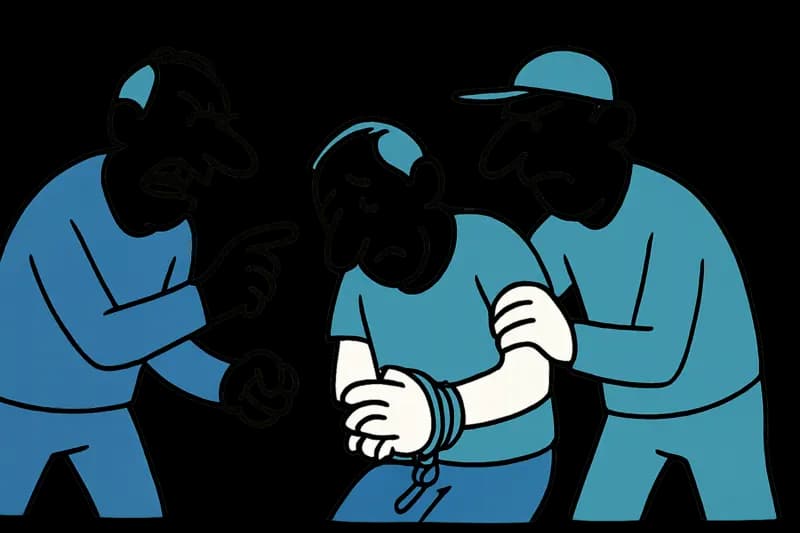
Mistaken identity with fatal consequences: Brutal assault in S'Aranjassa — what's missing in the follow-up?
At S'Aranjassa a visitor to a finca was tied up, beaten and thrown out of a van. Three men have been arrested, including...

High heel slips, car accelerates: accident on Camí de Son Hugo
A woman lost a high-heeled shoe on the forecourt of the sports facility at Camí de Son Hugo. The car accelerated, mounte...

Phone Scam: How Two Hotel Employees at Playa de Palma Lost Thousands of Euros
One morning in September, two reception employees at Playa de Palma were pressured by alleged alarm-company staff — in t...
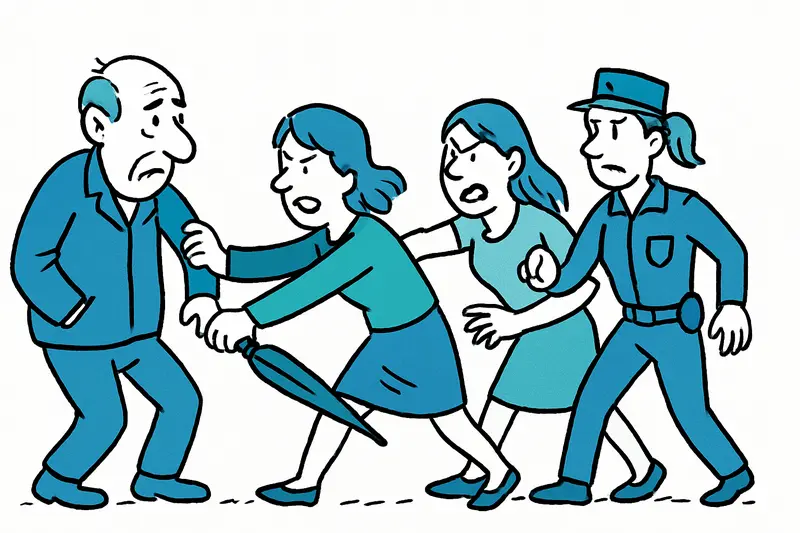
When the Wallet Becomes a Danger: Attack in Peguera and Lessons for Mallorca
In Peguera, two women are said to have stolen the wallet from a 75-year-old German couple. When the victim intervened, t...
Plata stays Plata: Young people take over, Llonguets remain
A small bar on Carrer de l'Argenteria will continue: Tolo Serra hands the place over to young Mallorcans at the end of t...
More to explore
Discover more interesting content

Can Cap de Bou

Townhouse Lleo 72
