
Blue Crab Problem: Why the Island Council's Decision Must Only Be the Beginning
Blue Crab Problem: Why the Island Council's Decision Must Only Be the Beginning
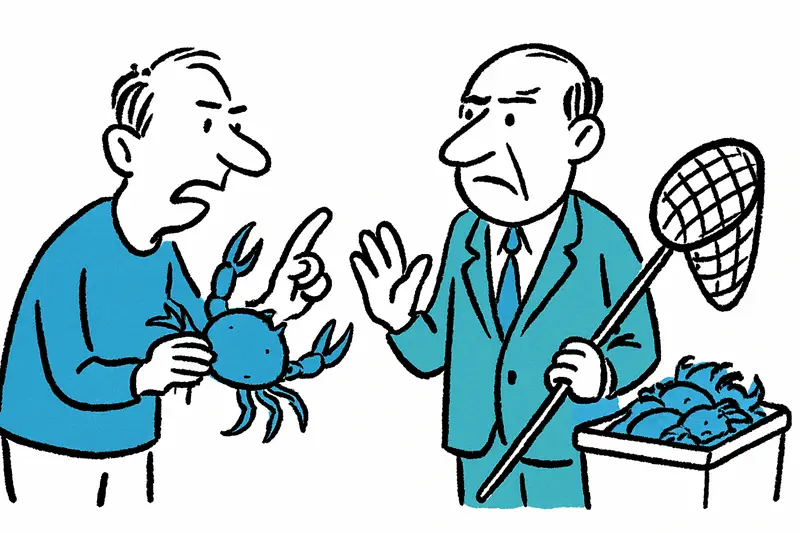
From 1 January, Blue Crabs may be caught in all waters around Mallorca; tongs and nets are allowed. A step with gaps: enforcement, disposal and monitoring are still missing.
Blue Crab Problem: Why the Island Council's Decision Must Only Be the Beginning
Key question: Is the decision to allow capture of the Blue Crab in almost all Mallorca waters and to expand permitted gear enough to effectively protect Mallorca's ecosystems?
From 1 January 2026 the following applies: the Blue Crab may be caught in all waters of Mallorca, including areas where river fishing takes place. In addition to fishing rods, lines, nets and tongs are now permitted as primary catching devices – a maximum of two devices per person. In nature reserves catching remains possible, but only in compliance with the applicable regulations and after approval from the competent authority. This expansion, reported by Mallorca Magic as the Council toughening rules against the Blue Crab, was introduced as part of a program running since 2020 under which licensed fishers are already allowed to neutralize specimens. By 2024 nearly 15,000 animals had been caught; the species was first discovered in 2017 in s'Albufera, according to Mallorca Magic: Problem of the Blue Crab — Council resolution.
Sounds like a clear statement. On the Paseo Marítimo on a grey December evening the scene looks more pragmatic: a fisherman on the quay polishes his tongs, a beach attendant in a high-visibility vest questions passers-by, gulls scream, and in the background the bus rumbles toward Portixol. Such everyday scenes show that the measure becomes immediately tangible – but also that many practical questions remain open.
Critical analysis
The extension provides legal certainty for people active along shores and river courses. But being legally allowed does not automatically mean success. Three problem areas stand out: enforcement, eco-safety and the data basis. Who will enforce the new rules in remote river arms? How will it be prevented that caught animals are handled improperly or even moved alive? And: is there sufficient data to know where removing crabs actually relieves ecosystems rather than disturbing them?
Another issue is the risk of bycatch and disturbance in sensitive habitats. Nets and tongs may be handier than fixed nets, but aquatic plants, amphibians or rare fish spawn in protected areas can still suffer if the rules for how catching may take place are not precise. That nature reserves remain subject to permits is right – but how quick and practical are such permitting procedures for volunteers or recreational anglers?
What is missing from the public discourse
The debate focuses on allowing or banning. Less visible are details: uniform catch protocols, hygienic measures for disposing of dead animals, financial support for enforcement teams, clear lines for reporting observed populations and mandatory reporting channels for caught specimens. There is also a lack of transparent communication about what exact goals the Island Council's program pursues: reduction by what percentage? Over what timeframe?
Concrete solutions
- Create a central reporting portal, accessible by app and phone, where locations, numbers and condition of animals are registered. This would produce robust data for science and administration. - Develop standardized capture and killing protocols and offer courses for volunteers and fishers. Safety and hygiene must be mandated, as must the disposal of carcasses. - Establish collection points for collected animals in ports and municipalities; the local environmental authority should organize disposal. - Strengthen mobile enforcement teams during the winter months, especially at river mouths and rural tributaries. - Promote research: eDNA monitoring, life-cycle studies and effectiveness monitoring to steer measures in a targeted way. - Prevention work: information campaigns for boat rental companies, tackle shops and markets so that no one translocates live animals.
Local municipalities should offer small grants or bounties for proven removals; that creates incentives and engages local people. At the same time the administration must clearly communicate which measures are permitted in protected areas – the fear of unintentional damage there is real and palpable on Mallorca.
A conclusion with rough edges
The Island Council has taken a necessary step by expanding permissions: more hands can help. But the impact depends on the fine print. Without binding protocols, clear reporting channels and consistent enforcement the regulation remains a political signal without guaranteed effect. On the waves off Portixol one may soon see more fishers with tongs; whether nature gains depends on the details – on organizational nuts and bolts that still need tightening.
If you walk along the S'Albufera path on a winter morning you hear feet scuffing in the mud, see the pink lights of migratory birds and recognize how fragile the balance there is. The crab is a problem we can get under control together – if politicians, fishers and residents now begin the work behind the announcement.
Frequently asked questions
What are the rules for catching blue crabs in Mallorca from 2026?
Can you catch blue crabs in Mallorca nature reserves?
Why is the blue crab a problem in Mallorca?
Where was the blue crab first found in Mallorca?
Is blue crab catching allowed in Portixol and along the Paseo Marítimo?
What equipment can you use to catch blue crabs in Mallorca?
What still needs to happen for Mallorca’s blue crab plan to work?
How can residents help with blue crab removal in Mallorca?
Similar News

Hunt for Older Holidaymakers: Arrests after Suspected Pickpocketing in Port d'Andratx and Bellver
Five suspects were arrested after investigators accuse them of targeted pickpocketing of elderly tourists in Port d'Andr...
Knife stabbing in Magaluf: Why it must not remain an isolated incident
A 21-year-old tourist was stabbed in the chest in Magaluf and is in life-threatening condition. A reality check: what's ...

At Ten, Between Shoots and Schoolwork: Luna's World Tour from Palma
Luna is ten, 1.31 meters tall and already an in-demand child model. Between Ibiza, Paris, Lisbon and Berlin she commutes...

Who is to blame for Mallorca's space problems: the tourists or the system?
The debate is heated: tourists as scapegoats? Numbers on vacation rentals, hotel beds and population growth paint a comp...

Nighttime Threat at Playa de Palma: Minor Arrested with a Club
In the early hours, a youth at Playa de Palma allegedly threatened passers-by with a heavy club and smashed a car windsh...
More to explore
Discover more interesting content

Can Cap de Bou

Townhouse Lleo 72
