

Protection failed? A murder in Coll d'en Rabassa and the gaps within
Protection failed? A murder in Coll d'en Rabassa and the gaps within
A jury found a man responsible for his partner's death: 66 stab wounds, the crime carried out in front of their shared daughter. What do the reasoning and verdict reveal — and what is missing in the debate about domestic violence in Mallorca?
Protection failed? A murder in Coll d'en Rabassa and the gaps within
Key question: Why did a court-issued restraining and contact order apparently not suffice to protect a life?
On the day of the verdict I sat on the edge of Coll d'en Rabassa, at the roundabout near the Camí de Can Pastilla. Cars honk, a city bus pulls away, a woman with shopping bags holds her child by the hand — ordinary sounds that ring bitter after reading the files. In December 2024 a relationship in this very neighborhood ended in unimaginable violence: in front of the then nearly two-year-old daughter, Rosario D. J. was killed in a small Peugeot 107. A jury unanimously found the defendant, George V. T., guilty of murder. The court file lists 66 stab wounds.
The trial exposes two levels: the act itself — quick, brutal, in a confined car — and the surrounding system that appears to have failed. According to the indictment, a court-ordered contact and restraining ban had been in place against the man since November 2024. Nevertheless, there was an encounter that ended in fatal escalation. The jury rejected the defendant's claim that he had acted in self-defence; the prosecution and the civil party demand 27 years in prison, while the defence pleads for mitigating circumstances.
Viewed critically, several questions arise: How are protection orders checked on the ground? Is a formal order sufficient without a consistent presence of police and social services in genuinely risky situations? How well are information and warnings linked between the courts, the police and support organisations — especially when children are involved and are traumatised witnesses from the outset? These questions are not confined to court corridors; they concern neighbours, nursery staff in S'Arenal and the doctors who see the first injuries.
Often missing in the public debate are two perspectives: first, the practical enforcement of protection orders on streets and in neighbourhoods — is a perpetrator reachable, is he monitored, who reports breaches and how quickly does the police respond? Second, the concrete support pathways for children who witness severe violence. A child who experiences such an event faces not only physical danger; the psychological consequences can last for decades.
Everyday scenes help to understand: a neighbour recounts once receiving a phone call that sounded like an argument and then was hung up; the police never came. In practice, protection often means a form, a phone call, perhaps a note in a file. Reality is louder and more complicated. On the streets of Palma one sees the traces of this paper protection: households where people continue to live side by side while proceedings are pending, and the faintest signs of danger go unnoticed.
Concrete solutions are not new, but they are feasible: better risk assessments when issuing protection orders; mandatory follow-up checks by specialised response teams in the first weeks after an order; electronic distance monitoring in high-risk cases; faster linking of data between courts, police and social services; and low-threshold, child-focused counselling services that work outside large cities like Palma. It is important that measures are not only legal in form but effective in practice — that is, that they actually reach into the neighbourhood.
A final sentence on sentencing will be delivered soon by the court. It remains society's task to draw general consequences from a single case: more presence where people live, sleep and raise their children. Without these steps, legal prohibitions risk remaining only paper protection.
Conclusion: The verdict declares guilt, but the broader question is whether the thin net of orders and support services is sufficient. On a bench near the Camí you can hear the everyday clatter of dishes in a café — a reminder that behind every case file there are people and neighbours who need better protection.
Frequently asked questions
What is a court-ordered protection and restraining ban, and does it help keep people safe in Mallorca?
How effective are protection orders in preventing violence in Mallorca?
What should I do if a protection order is breached in Mallorca?
What support exists for children who witness violence in Mallorca?
What measures could strengthen protection in Palma and nearby towns?
How are protection orders enforced on Mallorca’s streets, such as in Coll d'en Rabassa?
What can neighbours or community members do to help reduce risk in Mallorca neighborhoods?
What does the Coll d'en Rabassa case reveal about gaps in protection, and what is being considered locally?
Similar News
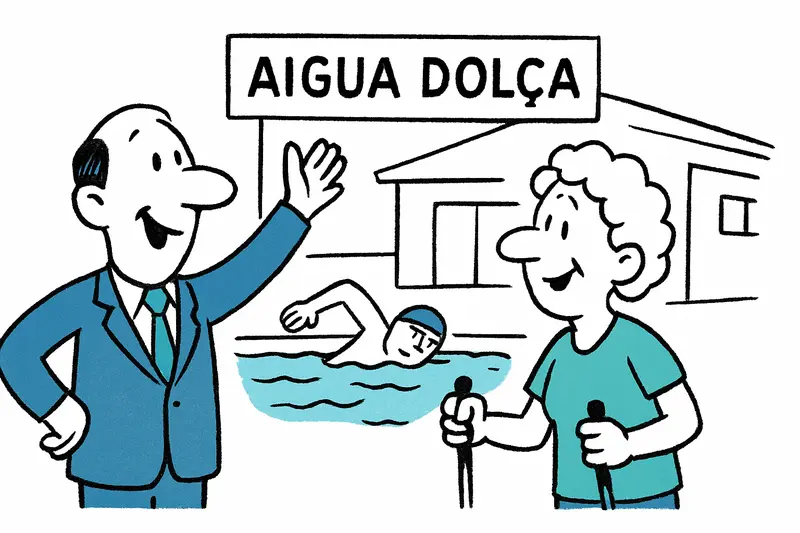
Palma opens s’Aigua Dolça: New sports centre opens on October 15
The new municipal sports facility s’Aigua Dolça above the Paseo Marítimo opens on October 15 in several stages. Initiall...
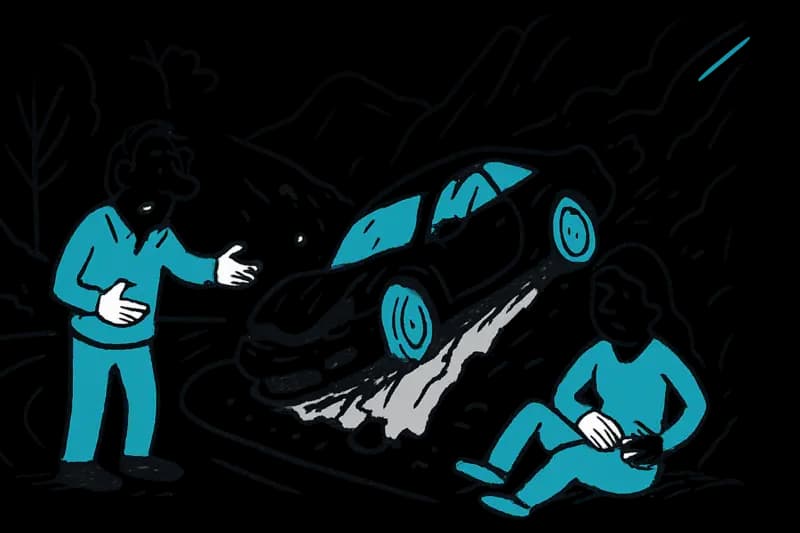
Deadly accident in Mortitx: Why the Ma-10 becomes a danger stretch at rallies
At kilometre 10 of the Ma-10 a Porsche plunged into a ravine. The driver, a 63-year-old German, died and his passenger s...
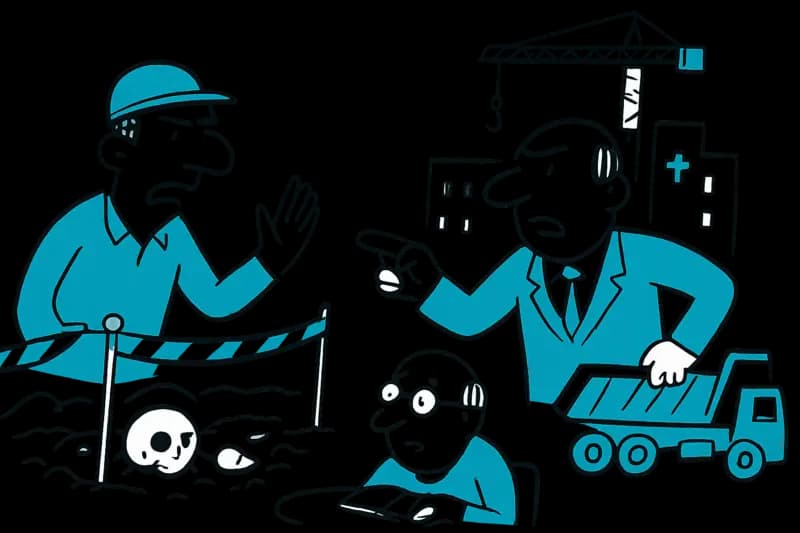
24 Graves in Felanitx: Who Wins — Hospital or Culture?
During the hospital construction in Felanitx, a necropolis with 24 graves and Islamic pottery was discovered. A test exc...
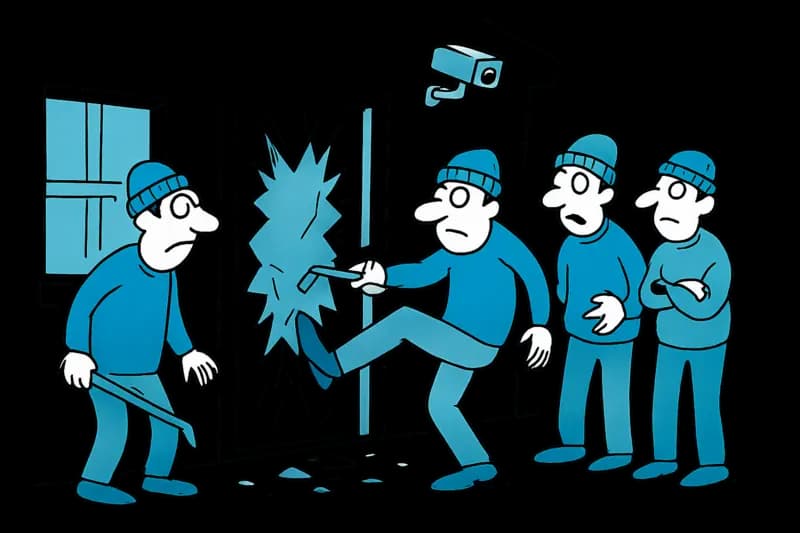
Nighttime Break-in in Marratxí: Four Perpetrators, Smashed Door and Many Questions
A restaurant in Marratxí was robbed on the night leading into Thursday. Four masked perpetrators caused significant dama...
Rolex robbery in Santa Catalina: What does this attack say about Palma's safety?
In Santa Catalina, two attackers stole a Rolex worth €40,000 from a 65-year-old Swede. His pregnant daughter was shoved....
More to explore
Discover more interesting content

Can Cap de Bou

Townhouse Lleo 72
