

Nighttime Break-in in Marratxí: Four Perpetrators, Smashed Door and Many Questions
Nighttime Break-in in Marratxí: Four Perpetrators, Smashed Door and Many Questions
A restaurant in Marratxí was robbed on the night leading into Thursday. Four masked perpetrators caused significant damage, stole tablets and the cash drawer containing several thousand euros. The Guardia Civil is investigating the case.
Nighttime Break-in in Marratxí: Four Perpetrators, Smashed Door and Many Questions
Key question: How can small venues be better protected from organized nighttime raids?
In Marratxí, north of Palma, a restaurant fell victim to a targeted break-in on the night leading into Thursday. The owners had locked up as usual around 11:30 p.m.; in the morning they found the premises ransacked. According to the owners, furniture was damaged, electronic devices – including several tablets – were stolen and the cash drawer containing several thousand euros was taken. Fortunately, no one was inside at the time of the crime.
The perpetrators apparently acted in a coordinated way. Surveillance footage shows four people controlling the scene: two stayed outside as lookouts, two entered the business. At first they used a crowbar, later they kicked the door open. The Guardia Civil collected fingerprints on site, took photos and secured the video recordings from the cameras.
In short: a quick, technically prepared attack with clear division of labor. We see such patterns more often – especially at business locations that are empty and poorly lit in the evening; similar episodes have been reported elsewhere, from Palma (Nighttime Break-ins in Palma: Arrest Stops the Spree — But How Safe Is the Old Town Really?) to Son Servera (Burglary in Son Servera: What the Attack on a Bike Shop Reveals About Security in Tourist Towns) and along the MA-12 (Burglary Spree on the MA-12: How Safe Do Santa Margalida and Muro Still Feel?).
Critical analysis
The sequence of events suggests a certain level of professionalization. Lookouts, levering tools, the targeted removal of small devices and cash – this is no longer the behavior of a random offender. The fact that the cash drawer was still on site and contained several thousand euros raises questions about cashless practices and daily cash disposal routines. Also, the fact that the surveillance cameras recorded but the perpetrators were still able to flee unhindered points to gaps in the security concept: alarm system? visibility of the cameras? connection of the alarm center to a security company or directly to the authorities?
For the operators this means major material damage, interruption of business and psychological stress. For the neighborhood it is a clear signal that criminals prefer to strike at night where opportunities present themselves.
What is missing from the public discourse
After incidents, public reporting often focuses on isolated acts and police measures. Rarely does it address structural factors: How many businesses forego alarm technology for cost reasons? What role do street lighting, municipal patrols or neighborhood organizations play? In addition, there is no simple information platform for business owners explaining which protective measures are proportionate and effective – from certified locking systems to insured safes for cash.
Everyday scene from Marratxí
The morning after the crime, you see the usual traces in the small street in front of the premises: the baker already has the first batch of croissants in the window, the garbage truck rumbles by, residents exchange nervous glances and a dog barks nonstop. Something like this happens in one night while the sun slowly rises over the Tramuntana – and yet it leaves work for days: repairs, police reports, insurance forms.
Concrete solutions
1) Immediate measures for business owners: do not leave valuables visible after closing, deposit the cash drawer daily or place it in a bolt-secured safe, install motion detectors and highly visible camera warning signs. 2) Technical upgrades: robust cylinder locks, doors secured against prying, alarm systems with direct connection to a monitoring station or alarm provider. 3) Organizational: reduce cash by promoting digital payments, scheduled cash collections or cooperation with neighboring businesses for joint security arrangements. 4) Municipal measures: better street lighting along commercial corridors, targeted presence of security forces at problem times and information offerings from the municipal administration on funding opportunities for security investments. 5) Insurance and documentation: complete inventory lists, clear photo and evidence preservation after a break-in, prompt filing of a police report, early contact with the insurance company.
These are not miracle solutions, but a mix of technology, organization and neighborhood cooperation noticeably reduces the risk.
Conclusion
The break-in in Marratxí is not an isolated incident, but an example of a trend that harms small businesses and strains the feeling of safety in the neighborhoods. Authorities are investigating and the evidence is available – separate local coverage has also reported arrests in the area (Serial thief in Marratxí: Arrest brings relief — but questions remain) – but the real work begins afterwards: with the restaurateurs themselves, with neighbors and with the municipality. In the short term good behavior helps (no visible cash, quick reporting), in the medium term we need visible security standards and better coordination between businesses and authorities. Otherwise it will remain news headlines and silence about the real causes – and that would be the worst outcome.
Frequently asked questions
What is Mallorca's weather like and what should I pack for a trip?
What can small venues in Marratxí do to prevent organized nighttime break-ins?
What patterns indicate a coordinated break-in at Mallorca businesses?
What steps should a Mallorca business take immediately after a break-in?
How does cash handling affect break-in risk for Mallorca shops?
What can Mallorca authorities do to help prevent break-ins in neighborhoods?
What practical security upgrades should small Mallorca venues consider?
When is Mallorca best for outdoor activities, and what should I keep in mind?
Similar News

Protection failed? A murder in Coll d'en Rabassa and the gaps within
A jury found a man responsible for his partner's death: 66 stab wounds, the crime carried out in front of their shared d...

Palma opens s’Aigua Dolça: New sports centre opens on October 15
The new municipal sports facility s’Aigua Dolça above the Paseo Marítimo opens on October 15 in several stages. Initiall...

Deadly accident in Mortitx: Why the Ma-10 becomes a danger stretch at rallies
At kilometre 10 of the Ma-10 a Porsche plunged into a ravine. The driver, a 63-year-old German, died and his passenger s...

24 Graves in Felanitx: Who Wins — Hospital or Culture?
During the hospital construction in Felanitx, a necropolis with 24 graves and Islamic pottery was discovered. A test exc...
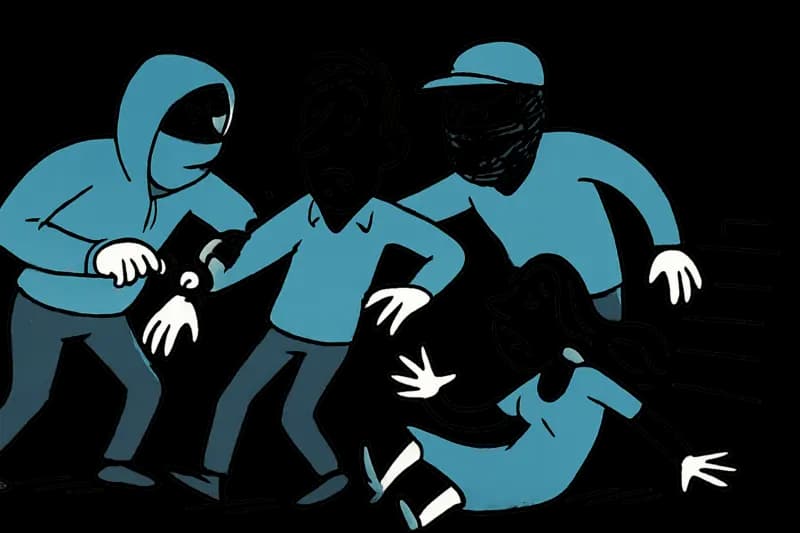
Rolex robbery in Santa Catalina: What does this attack say about Palma's safety?
In Santa Catalina, two attackers stole a Rolex worth €40,000 from a 65-year-old Swede. His pregnant daughter was shoved....
More to explore
Discover more interesting content

Can Cap de Bou

Townhouse Lleo 72
