
Pursuit at Playa de Palma: Why Are Taxi Drivers Still So Vulnerable?
Pursuit at Playa de Palma: Why Are Taxi Drivers Still So Vulnerable?
A taxi driver at Playa de Palma was pursued in early July by a father and son and seriously injured. The homicide division is investigating – but questions remain.
Pursuit at Playa de Palma: Why Are Taxi Drivers Still So Vulnerable?
Key question: How could a chase over several kilometers turn into violence, and why do professional drivers at the Playa remain exposed?
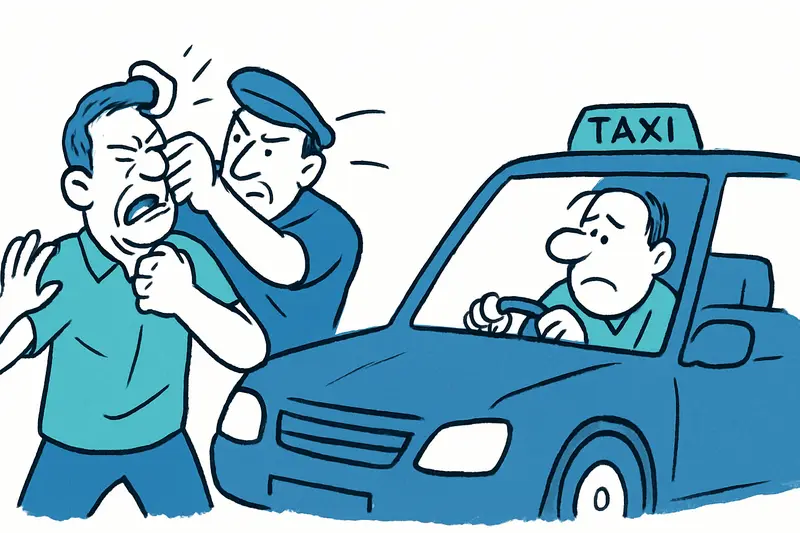
In early July a taxi driver at Playa de Palma was the victim of a brutal attack: two men – later identified as father and son – chased his car with flashing headlights, stopped next to him in the parking lot of a well-known nightclub and beat him down. The man suffered facial fractures and was treated in hospital. The National Police took over the case and the suspects were later arrested thanks to activated phone tracking; a motive is not known.
Critical analysis: At first glance this sounds like an isolated act of violence. But looking at patterns and everyday life at the Playa, it is a symptom. Taxi drivers work at night, often alone, with windows and driver's doors open; they stop in places with large crowds but not always visible security; sometimes taxi drivers intervene themselves, as when taxi drivers stopped a drunk driver on the Paseo Marítimo. A short honk, a flash of headlights – and the dynamic can tip over. Once an aggressive duo shows a willingness to escalate, the driver's options are limited: driving away can provoke, getting out is dangerous, calling for help takes time; even police pursuits elsewhere — for example the police pursuit in Llucmajor — show how chaotic chases can remain unresolved.
What is missing from public debate: three points are too often left unmentioned. First: the structural vulnerability of the profession. Taxi drivers are not isolated victims; they are a connected but poorly protected service industry. Second: the responsibility of the locations where such incidents occur. Club and nightclub parking lots are hotspots — not because criminals are inherently there, but because crowds, alcohol and poorly lit corners come together. Third: the latency between reporting and protection. Reports are recorded, but on-site prevention often remains wishful thinking.
A everyday scene at the Playa: The late-summer air is humid; from the avenue comes the smell of fried fish, motorcycles speed by, and bass-heavy music pulses from a nightclub. Taxi ranks are islands of light in the dark. Drivers change shifts calmly, make brief phone calls, jot down waypoints. Until suddenly a headlight blinds them, a car pulls in close, then away, and the atmosphere changes — that is exactly how the victim's pursuit began.
Concrete solutions that make more sense than mere appeals: First, mandatory technical equipment in every taxi: a fixed interior camera with a data protection concept, a clearly visible panic button, and a direct connection to the local police station (prioritized for emergencies). Second, better lighting and surveillance in parking zones in front of clubs: targeted cameras at entrances and exits that do not only monitor vandalism but detect aggression patterns. Third, binding cooperation between taxi companies, club operators and police: joint checkpoints on weekends, clearly marked, well-lit stopping zones and security staff who know when to intervene to de-escalate.
Technology alone is not enough. Fourth proposal: training for drivers in de-escalation and digital emergency protocols, combined with an information campaign for guests: anyone getting out at the Playa should know where the official taxi stands are, that violent behavior is prosecuted and how quickly help can arrive if security structures are in place. Fifth: faster investigative procedures and transparent case statistics. The National Police have taken over the case and arrests have been made — such information must flow together in anonymized form so prevention measures can be targeted.
Legal improvements are also possible: tougher sanctions against violent offenders are important, but without prevention punishment only works retrospectively. Better are combined rules, such as licensing requirements for clubs to demonstrate security concepts, and clear regulations for event parking lots.
Who bears responsibility? The police, yes; but also night-time business owners, municipalities and the taxi industry itself. In Mallorca tourism and nightlife are closely linked. If the state acts alone, gaps arise. A concrete example: a week of increased night patrols on weekends, accompanied by fixed, data-protection-compliant cameras and a hotline for drivers, could have a deterrent effect in the short term and at the same time provide data for longer-term measures.
What is missing in many conversations: the perspective of those affected. Taxi drivers quietly report near-misses, nights when they prefer to keep driving rather than stop. Their accounts should be systematically recorded; they are an early warning stage. Not every report leads to an arrest, but many reveal patterns — same time, same location, similar behavior.
Pointed conclusion: This is not just about a brutal act on a summer evening. It is about whether we organize nightlife and safety in a way that those who work there do not become fair game. The arrest of the suspects is right — but we need more: technical protection measures, clear local responsibilities, mandatory security concepts for venues and serious, data-driven prevention work. Otherwise the scene repeats itself: flashing headlights, pursuit, a short stop, and a person lying injured on the hot asphalt of Playa de Palma.
Frequently asked questions
Why are taxi drivers at Playa de Palma especially vulnerable at night?
What safety measures could help protect Mallorca taxi drivers?
How can club parking areas in Mallorca be made safer for riders and drivers?
What role do taxi companies, clubs, and police play in preventing attacks in Mallorca?
What should visitors know about safety and official taxi stands in Playa de Palma?
What kind of driver training could help reduce conflicts in Mallorca's nightlife districts?
Why is faster investigative work important for nightlife safety in Mallorca?
What broader policy changes could enhance safety for workers and visitors in Mallorca's nightlife?
Similar News
Magaluf: Watchtower Alarm – Lifeguards Pull Unconscious Beachgoer from the Water
After a drama in the late afternoon, two lifeguards at Magaluf beach rescued an unconscious 44-year-old man. He was stab...

Turquoise in the City: How dangerous is the color play of the Sa Riera?
The Sa Riera in Palma suddenly turned turquoise — a pretty motif, but behind the effect lies a discharge of saline waste...

Jeckliner at Sunnesching: Cologne spirit sets sail from Palma
In September 2027 the Mein Schiff 2 briefly becomes a floating carnival stage: four days with Cologne bands, comedy and ...
Finally Home: Mike and Leyla Heiter Buy Villa with Sea View in Mallorca
The reality TV couple Mike and Leyla Heiter have bought a house in Mallorca with a roof terrace and sea view. An Instagr...
Arrest after series in Palma: Who protects apartments from repeat offenders?
The National Police arrested a man in Palma who investigators say may have broken into several apartments. In one incide...
More to explore
Discover more interesting content

Can Cap de Bou

Townhouse Lleo 72
