
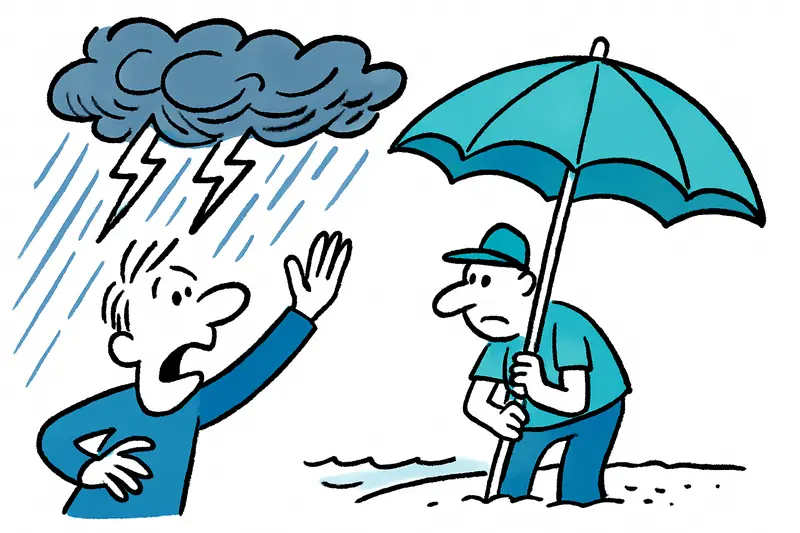
New rain front on Saturday: Have Mallorca's municipalities prepared enough?
Aemet warns of orange and yellow alert levels for Saturday. The central question: Are cleaned drains and volunteer helpers enough, or is coordinated preparedness lacking on the island?
New rain front on Saturday: Warning levels in effect – and what really matters now
The island only breathed briefly, then the weather turns again: For Saturday, November 8, Aemet has issued nationwide pre-warnings — locally orange, otherwise yellow, as described in Severe weather alert in Mallorca: Are we prepared for the deluge?. Strong showers and gale-force gusts are possible already in the night from Friday to Saturday. Anyone taking a last evening walk in Palma can hear the clatter of the terracotta roofs and the rustle of the pines — the calm before the next shower moves in.
Key question: Are Mallorca's roads and communities prepared?
That is the question that remains important on Friday evening. In the alleys of La Llotja you can see neighbors with brooms at the drains, and in the suburbs homeowners close their cellar vents. That is right and necessary — but often only a drop in the ocean. Many drains are still clogged, small rambla streams can swell quickly, and lower-lying neighborhoods are literally on the list of vulnerable areas. Last week's experience showed: fallen pines, flooded garages, closed roads, as reported in Orange Alert: Torrential Rains — Is Mallorca Prepared?. Is this short-term commitment enough?
Why the organizational level is decisive
Infrastructure will not withstand prolonged rain without planning and materials. A municipal works employee, who yesterday cleared drains in a side street, said tersely: “We do what we can.” That says a lot. Often there is a lack of coordinable resources: mobile pumps, clear prioritization of main roads, personalized action plans for elderly people in the villages. Smaller municipalities do not have large equipment, but they do have local knowledge. This knowledge needs to be linked faster with the resources of larger cities or island authorities.
What the next 24 hours practically mean
Commuters should allow more time tomorrow. Roads can be flooded or slippery in places, and visibility at night will be worse. Aemet expects the highest rainfall amounts and strong gusts in the Tramuntana; along the north and northwest coast waves up to three meters are possible — a risk for small fishermen and unsecured boats, as noted in Yellow Storm Warning: How Well Is Mallorca Prepared for Heavy Rain?. Motorists: be cautious in low underpasses and coastal areas. Pedestrians: wear shoes that won't slip easily.
Who is particularly affected – and what helps immediately?
Low-lying streets, garages and businesses with basements are vulnerable. Residents in the island's interior and on the west side should check gutters, clear courtyards and have sand/sandbag preparations ready near doors. Concrete, short checklist:
Short-term: Clean gutters, have sandbags ready, park cars on higher ground, keep chargers and flashlights accessible. Boat owners: secure berths, check lines and, if necessary, moor in safer locations. Coastal businesses: raise stock, protect storage areas.
Municipal: Make mobile pumps available, schedule additional clearance teams for drains, communicate collection points, and define priority lists for roads and critical infrastructure. Faster information channels between authorities, ports and fishermen’s associations are needed — short SMS or WhatsApp lists often work better than formal circulars.
Under the radar: neighborhoods, seniors and insurance
Part of the preparation happens unspectacularly: phone trees, neighborhood groups, volunteers who check on older residents or pump out basements. These networks are often more effective than bureaucracy — but they need support: available pumps, fuel, clear points of contact. Another issue that receives too little attention is insurance coverage: many homeowners underestimate what their policies cover. The consequence: slow claims processing and private burdens.
Think longer-term without panic
Events like these repeat. The island needs better drainage systems, regular cleaning of rambla beds and digitized deployment plans that municipalities can share quickly. Small investments pay off in the long run: more mobile pumps, central coordination, upgrades to port facilities. This is not prophecy, but a sober call for resilience.
Conclusion with clear action tips
Short and practical: Be especially careful tomorrow, particularly at night and along the north coast. If possible, postpone extended outdoor activities. Check gutters, secure movable items, and prepare an emergency kit (flashlight, power bank, battery-operated radio). Municipalities should act quickly now: street cleaning, clear communication of Protección Civil emergency numbers and coordination with harbor masters and fishermen's groups. And for neighborhoods: a quick phone call to an elderly neighbor can prevent a lot of damage.
I will look out again early tomorrow morning, coffee in hand, count the clouds over the bay and hope that the municipality and the people here are equally vigilant. Aemet updates its warnings continuously — keep an eye on the alerts and drive carefully.
Frequently asked questions
What weather is expected in Mallorca on Saturday with the new rain front?
Is it safe to drive in Mallorca during heavy rain?
Which parts of Mallorca are most vulnerable to flooding?
What should Mallorca residents do before a heavy rain warning?
Is the Tramuntana usually worse during storms in Mallorca?
What should boat owners in Mallorca do before strong rain and gusts?
How can Mallorca neighbours help older residents during bad weather?
Why do Mallorca municipalities struggle even when they prepare for heavy rain?
Similar News
Near-miss on Lanzarote: Landing Ryanair Jet and Iberia Takeoff — what really went wrong
On Lanzarote there was a dangerous incident: A Ryanair flight (FR5910) from Dublin landed on runway 03 while an Iberia E...

Eurowings introduces new Premium Business seats on Mallorca routes
From December 1, selected Eurowings flights to Palma and other destinations will feature eight particularly generous sea...
Car on MA-13 near Inca in flames – a safety check for the island
A vehicle caught fire on the MA-13 towards Alcúdia on Tuesday afternoon. The driver was uninjured, the car was destroyed...

Real Estate in Mallorca: Fewer Buyers, Higher Prices — What's Behind It?
Sales on Mallorca are falling, yet prices continue to climb. Why fewer transactions do not equal relief — and what shoul...
Just Bought — Already Trouble: Water Damage in the Heiters' Villa and What Owners in Mallorca Should Know Now
A newly purchased sea-view property — and within days a water damage. What risks lurk in new properties in Mallorca, and...
More to explore
Discover more interesting content

Can Cap de Bou

Townhouse Lleo 72
