
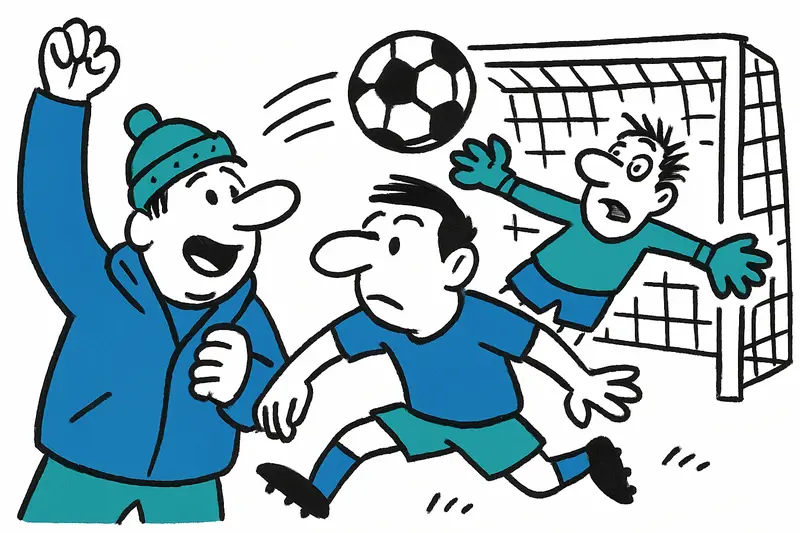
Late Equalizer at Son Moix: Courage or Masquerade?
Real Mallorca earns a 1-1 draw against Celta Vigo — a late goal brings relief but also exposes tactical questions ahead of the match against Real Madrid.
Was the late goal proof of character — or does it mask deeper problems?
It was a typically cool evening at Son Moix: wind sweeping through the stands, the rustle of plastic cups, and voices swinging between optimism and concern. Real Mallorca salvaged a 1-1 draw against Celta Vigo with a headed goal in the 88th minute by Mateu Morey. For the fans the result, still steaming and smelling of beer, felt like a half-win. For the coaching staff, however, the question remains: did we witness a sign of genuine progress or merely a makeshift solution that arrived too late?
First half: Too slow, too predictable
The opening phase was frustrating from the home perspective. Celta seemed more consistent in transitions, exploited a gap in Mallorca's defense and scored just before the break. The home side's offense was often sluggish, passing sequences felt predictable and the tempo was lacking. While fans sang for the club at half-time, albeit off-key and rhythmic, the question lingered: why only react when it’s already burning?
Second half: Fight instead of finesse
After the restart the body language changed. Mallorca defended more aggressively, won more duels and made better use of set-piece situations. Nice combinations remained rare; instead there were corners, crosses and scrums in front of goal — rough, loud, passionate. The late overlapping run of the right-back on set plays ultimately led to the equalizer. It felt less like a planned trick and more like an improvised solution that required luck and persistence.
The overlooked issue: transitions and individual tactics
What often goes unnoticed in public perception: possession is not the same as control. Mallorca has shown spirit in recent matches, as in Two Minutes Decide: Mallorca Shows Courage at the Bernabéu — and Loses Narrowly, but structural weaknesses remain. The transition game lacks pace and clear running lanes, and wing attacks are too often disrupted by individual dribbling. Defensively the team is vulnerable to quick, direct attacks — a problem that could be brutally exposed against teams like Real Madrid on Saturday.
Concrete steps instead of lip service
The club has no time for cosmetic fixes. Three pragmatic measures that could help in the short term:
1. Training sessions for transition moments: Less prolonged ball circulation, more sprint runs after turnovers, and clear target zones for the first pass.
2. Practice set pieces more systematically: Not only high balls but also targeted overloads and short angles for the second ball.
3. Substitution management: React earlier to game dynamics — fresh attacking players before the last ten minutes can break down the opponent's defense, as seen in Too late to ignite: RCD Mallorca lose narrowly 1-2 in Bilbao.
Outlook: Courage instead of tactical pessimism
In a few days they travel to Madrid — a litmus test that requires not just heart but also brains. If Mallorca combines the Son Moix passion with clear tactical adjustments, the point gained can become more than just a morale booster. Otherwise the 1-1 will remain a nice picture for the evening news but not a basis for stability.
Conclusion: One point, a late goal and plenty to ponder. Fans will talk about Morey's header for a long time — but those responsible should be louder in discussing structure and preparation before the bus leaves for Madrid, particularly after narrow defeats like Narrow defeat in Barcelona: penalty denies Mallorca a point.
Frequently asked questions
Was Real Mallorca's late equalizer against Celta Vigo a sign of progress?
Why does Real Mallorca often struggle to create chances from open play?
What did Real Mallorca do better in the second half at Son Moix?
Is Mallorca too dependent on set pieces to score goals?
What should Real Mallorca improve before playing in Madrid?
How should fans interpret a 1-1 draw at Son Moix?
What problems does Real Mallorca have in defensive transitions?
What kind of training could help Mallorca improve quickly?
Similar News

First Day, First Consequences: What Palma's Rent Freeze Really Means
A new decree stops a planned eviction in Palma — but what really changes for tenants and landlords? A reality check with...
When Housing Becomes a Matter of Survival: Mallorca Between Rental Frenzy and Everyday Life
The case of 87-year-old Maricarmen showed that on Mallorca many people's lives are poised between affordable and uninhab...
Autumn in Mallorca: When Melancholy Gets a Window
Why autumn quietly tightens here — and how to make use of the mood: walks, culture, candles and the light from Palma to ...
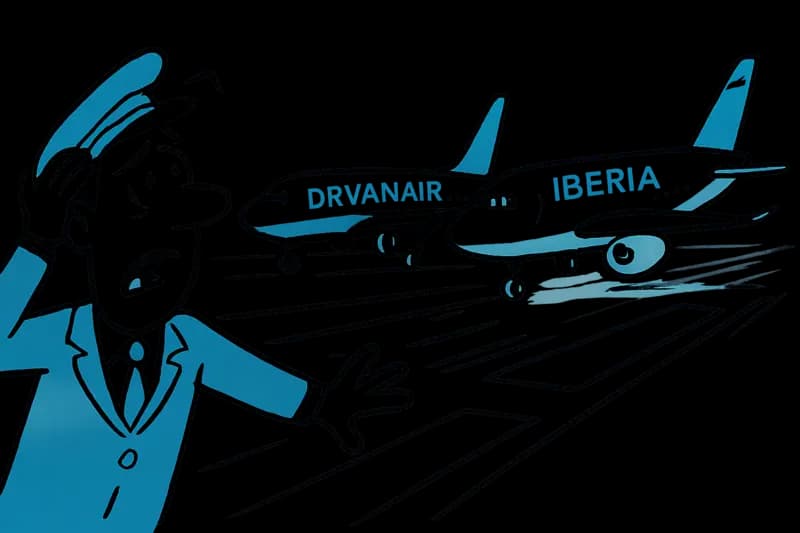
Near-miss on Lanzarote: Landing Ryanair Jet and Iberia Takeoff — what really went wrong
On Lanzarote there was a dangerous incident: A Ryanair flight (FR5910) from Dublin landed on runway 03 while an Iberia E...

Eurowings introduces new Premium Business seats on Mallorca routes
From December 1, selected Eurowings flights to Palma and other destinations will feature eight particularly generous sea...
More to explore
Discover more interesting content

Can Cap de Bou

Townhouse Lleo 72
