

Red Hats, Loud Engines: Dispute Over Santa Caravan in Palma
Red Hats, Loud Engines: Dispute Over Santa Caravan in Palma
A motorcycle caravan with people dressed as Santa rode through Palma in the evening (Paseo del Borne, Paseo Mallorca) and stirred anger due to honking, revving and noise disturbances. Critics complain about the lack of police; residents are calling for rules.
Red Hats, Loud Engines: Dispute Over Santa Caravan in Palma
Key question: Should raucous festive actions be allowed to drown out nighttime quiet in the historic center?
Last night an unusual procession rolled through Palma's city center: motorcycles, some decorated, many riders wearing red Santa hats, rode along routes including the Paseo del Borne and Paseo Mallorca. What was intended as a friendly gesture for the pre-Christmas season left many residents and passersby with a different impression: persistent honking, obvious acceleration and a noise level that was particularly noticeable in the narrow streets of the old town.
The soundscape hardly matched the otherwise quiet winter atmosphere: coffee cups clattered in a street cafe, a few dogs began to howl, and shutters were opened in apartments where people looked out at the noise with concern. The Paseo del Borne, usually traversed with muted steps and quiet chatter, briefly became a kind of catwalk for roaring machines.
The criticism that has emerged focuses on two points: on the one hand the volume and driving behavior, and on the other hand the lack of visible police presence. Many felt disturbed — not only because of the noise but because the event passed through the neighborhood without any obvious coordination. Local tensions have also surfaced over holiday markets such as the Christmas market dispute in Palma.
Critical analysis: What is going wrong here? Such spontaneous actions encounter a public space that is not evenly distributed. In Palma, public amenity, heritage protection and residential areas often share very tight zones. Motorcycles create significantly higher impacts in places with old buildings and narrow streets: sound reflections off building facades amplify the effect, and suddenly a cheerful action becomes a burden for people who need quiet — older neighbors, shift workers, families with small children.
Another point is the expectation of public order authorities. When events move through the city, citizens expect at least a regulating presence that manages traffic and ensures safety. The absence of visible control fosters a feeling of powerlessness, as was evident during recent scheduling controversies such as the Postponed Christmas market in Palma.
What is missing from the public debate? First, an honest discussion about the boundaries between festive freedom and the fundamental right to consideration. Second, a discussion about the responsibility of organizers: those who arrange events must ensure residents are informed and measures are taken to limit noise. Third, a debate about technical solutions: WHO environmental noise guidelines, decibel measurements, defined routes, time limits and steering measures have so far rarely been addressed.
An everyday scene illustrates the problem: an older woman sits at the window of an apartment on Passeig des Born, holding her knitting and watching in disbelief as red hats pass by. On the street a waiter asks the group to honk less because his restaurant is serving guests. Such small encounters make clear: it is not about opposing the gesture itself, but about consideration in a densely used urban space; local protests have echoed these concerns, for example Residents protest again against large Christmas market in Palma.
Concrete solutions that could take effect immediately: mandatory registration of such parades with the city including route and time; noise limits for motorized demonstrations and enforcement through decibel measurements; time restrictions for loud maneuvers in the center; binding rules for honking and intentional revving of engines; fixed police accompaniment for rides through the old town to avoid traffic disruption and hazards.
Technical and long-term approaches: increased inspections of exhaust systems, promotion of electric motorcycles for charitable parades, creation of designated routes outside historically narrow areas for events with many vehicles, plus a mandatory information campaign for organizers and participants. Local initiatives can also be involved: neighborhood committees that are informed in advance and participate in solution planning. Such regulation can be informed by broader frameworks like the European Commission noise policy.
Whoever takes responsibility prevents conflict. An organized charity ride, for example, could opt for quiet transits, use fixed stop points in less sensitive areas and deploy volunteers for communication. That would be a compromise between enjoying the event and showing consideration for residents.
Concise conclusion: Festive actions are part of a lively city, but they must not drown out the everyday peace of others. Palma's city center is not neutral — historic buildings, residential life and tourism meet closely here. The question remains: do we want climate and communication to decide how loudly we celebrate? Or do we set clear rules before the next caravan sets off? Without binding regulations, such actions will remain a spark for discontent.
Frequently asked questions
Are noisy motorcycle parades allowed in Palma’s old town?
Why do festive rides in Palma cause so much criticism?
What should organisers consider before planning a parade through Palma?
Is there usually police presence at public rides in Palma?
Why is noise more of a problem in Palma’s historic center?
What can residents in Palma do when a parade is too loud?
Are there quieter alternatives for festive rides in Mallorca?
How can Palma balance festive events and residents’ peace?
Similar News

The Painter Who Invented Himself: How a Young Viennese Drew Mallorca
A hundred years ago a 19-year-old draftsman arrived in El Terreno. His diary and sheets, long known under the pseudonym ...
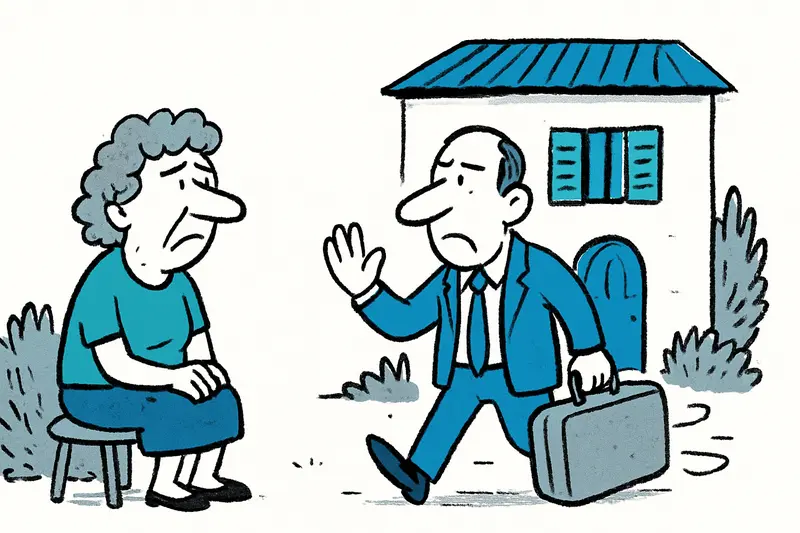
Released with Conditions: The Plus Ultra Suspicion and a Mallorcan Finca as Residence
A Dutch entrepreneur, sought in connection with the Plus Ultra case, was extradited to Spain after his arrest in Germany...

Haute Nuit in Puerto Portals: Fashion, Art and Indulgence by the Water
On October 2 the Lobster Club in Puerto Portals will be transformed into a stage for curated fashion, art and culinary e...
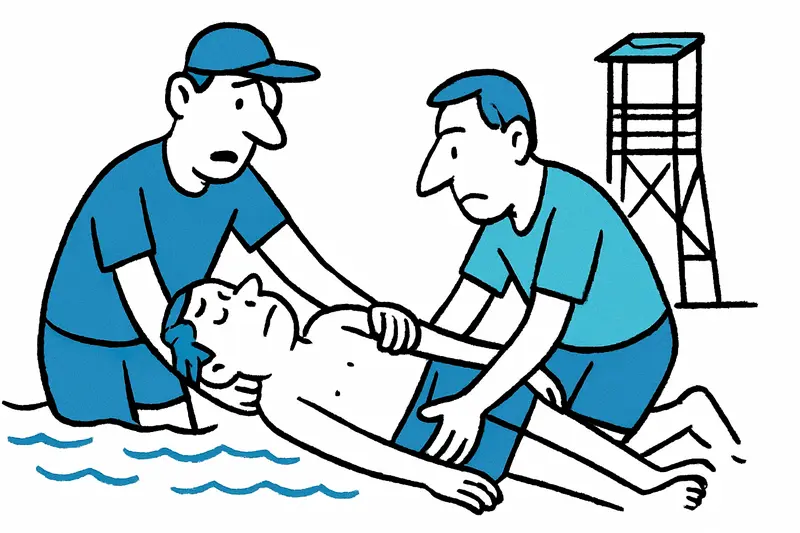
Magaluf: Watchtower Alarm – Lifeguards Pull Unconscious Beachgoer from the Water
After a drama in the late afternoon, two lifeguards at Magaluf beach rescued an unconscious 44-year-old man. He was stab...
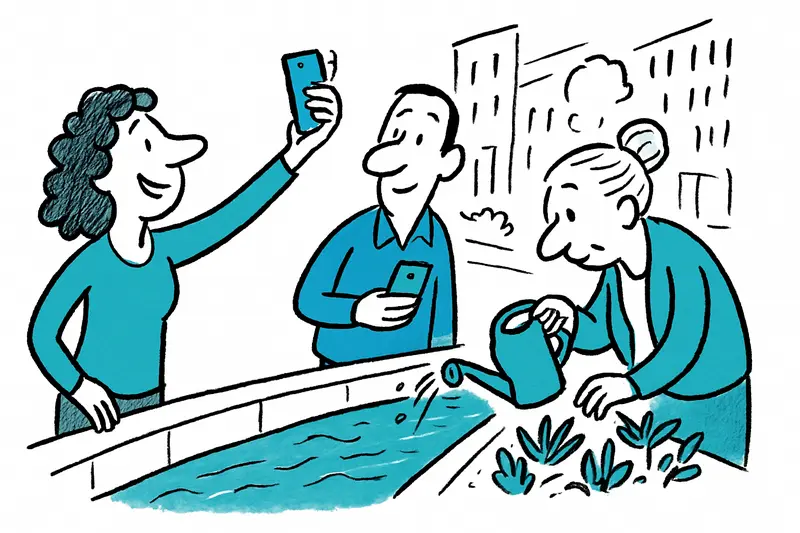
Turquoise in the City: How dangerous is the color play of the Sa Riera?
The Sa Riera in Palma suddenly turned turquoise — a pretty motif, but behind the effect lies a discharge of saline waste...
More to explore
Discover more interesting content

Can Cap de Bou

Townhouse Lleo 72
