
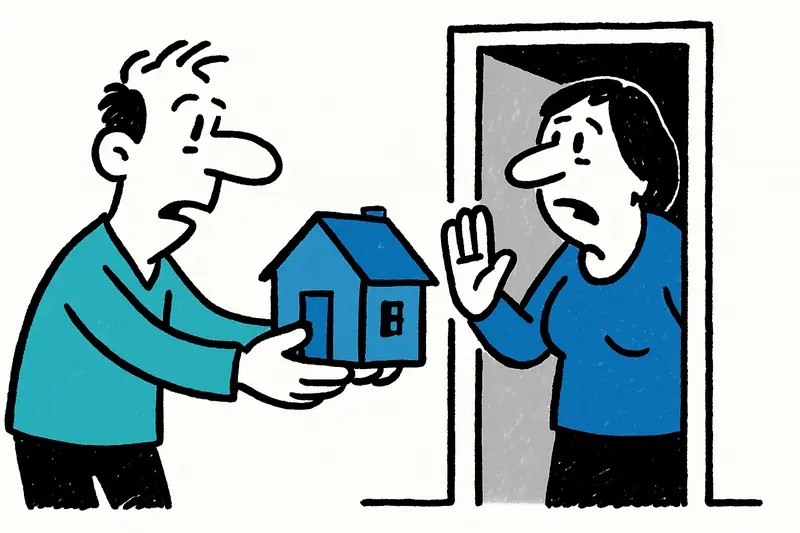
Mallorca's ongoing housing crisis: Why simply building more homes isn't enough
Mallorca's ongoing housing crisis: Why simply building more homes isn't enough
More than 24,400 rental contracts expire in 2026. Experts call for structural reforms instead of quick fixes. An analysis with concrete proposals and a slice of everyday life from Palma.
Mallorca's ongoing housing crisis: Why simply building more homes isn't enough
Key question: How can the 24,400 expiring rental contracts and rapidly rising prices be mitigated in a socially acceptable way?
Early morning at the Mercat de l'Olivar: delivery vans hum, vendors call out, and in a side street people open the doors to apartments they can just barely afford. This scene is on many people's minds across the island: according to official estimates, over 24,400 rental contracts expire in 2026 — a figure that feels like a ticking clock and is documented in Rent-price shock 2026: How Mallorca is heading toward a social crisis.
Experts I spoke with in recent weeks agree on one point: the cause is not a single button but the entire system. On Mallorca a tight supply meets high demand. Three voices in the debate can be summarized in their core demands: create incentives for owners, make building land available more quickly, and significantly strengthen the role of public housing.
What has been neglected so far: Public debate is dominated by two poles: on the one hand calls for short-term interventions such as rent caps, on the other hand criticism of foreign investors. The risk of legally permitted large rent increases is explored in Housing Price Shock in Mallorca: How Legal Large Rent Increases Threaten Tenants. Both perspectives have their merits but are too limited. Little is said about the variety of housing types (small social housing units, cooperative models, conversions of commercial properties), about parceling of land, or about administrative hurdles that block projects for years. The fact that taxes and fees can account for up to a quarter of the purchase price is often only mentioned in passing — yet this tax burden directly affects calculations and asking prices.
The industry's voices are pragmatic: financial incentives could motivate owners to return vacant apartments to the rental market. Builders warn that developable land must be opened up more quickly and existing development rights used better, without necessarily sealing new natural areas. An economist points out that interventions in property rights or restrictive buyer limits have legal boundaries and can be counterproductive without expanding supply.
What is missing from the public discourse: More pragmatism in combining instruments. Rarely discussed examples include municipal land funds that buy land and allocate it at suppressed long-term prices; mandatory rental registers to increase transparency on prices and vacancies; targeted support programs to convert empty office space into housing; and social partnership models in which municipalities and developers contractually agree on long-term rent commitments.
On the street it often feels more concrete: in neighborhoods like La Soledat or La Lonja you see young families and pensioners who must stay in ever-smaller apartments, while in new development areas owner-occupied flats stand empty because prices exceed local budgets, a trend documented in When Living Rooms Become Bedrooms: How Mallorca Suffers from a Housing Shortage. This contrast makes clear: more rental-friendly supply alone is not enough if it is not made available and affordable for people.
Concrete proposals:
- Short term: incentives to return vacant flats to the rental market (tax relief, grants for modernization when rented to locals). - Medium term: introduce a municipal land fund and expand subsidized housing from about 3% toward a target closer to the EU average of around 10%. - Process side: bundle approval procedures, introduce deadlines and create digital control mechanisms so projects do not get stuck for years. - Structural policy: promote cooperative housing forms and targeted conversion of commercial spaces. - Fiscal: review the fee burden so that up to a quarter of the purchase price does not simply leave room for price escalation.
This mix would address suppliers and tenants at the same time: more supply, yes — but above all supply tied to conditions that secure social access in the long term. Without such linkages, measures risk merely attracting new investors without improving the housing situation of those who live and work here.
Conclusion: The island does not need a quick ideological reflex, but a bundle of incentives, processes and institutions that have lasting effect. Anyone who walks along the Passeig Mallorca in the morning and sees the many different housing situations quickly realizes: it is not only about square meters, but about availability, price transparency and a tenant policy that respects local realities. There are plenty of practically implementable reforms — the question is whether politics and administration will find the courage to pull several levers at once.
Frequently asked questions
Why is Mallorca’s housing crisis so difficult to solve?
Will building more homes in Mallorca lower rents?
What can Mallorca do about empty flats that are still not on the rental market?
How high is the housing pressure in Mallorca for local families and pensioners?
What is a municipal land fund and how could it help Mallorca’s housing market?
How long do housing projects take to get approved in Mallorca?
Can Mallorca convert office space into housing?
What kinds of housing solutions are being discussed in Mallorca beyond new construction?
Similar News

Released with Conditions: The Plus Ultra Suspicion and a Mallorcan Finca as Residence
A Dutch entrepreneur, sought in connection with the Plus Ultra case, was extradited to Spain after his arrest in Germany...

Haute Nuit in Puerto Portals: Fashion, Art and Indulgence by the Water
On October 2 the Lobster Club in Puerto Portals will be transformed into a stage for curated fashion, art and culinary e...

Magaluf: Watchtower Alarm – Lifeguards Pull Unconscious Beachgoer from the Water
After a drama in the late afternoon, two lifeguards at Magaluf beach rescued an unconscious 44-year-old man. He was stab...

Turquoise in the City: How dangerous is the color play of the Sa Riera?
The Sa Riera in Palma suddenly turned turquoise — a pretty motif, but behind the effect lies a discharge of saline waste...

Jeckliner at Sunnesching: Cologne spirit sets sail from Palma
In September 2027 the Mein Schiff 2 briefly becomes a floating carnival stage: four days with Cologne bands, comedy and ...
More to explore
Discover more interesting content

Can Cap de Bou

Townhouse Lleo 72
