

Rent Increase Wave 2026: Who Will Still Stay in Palma?
Rent Increase Wave 2026: Who Will Still Stay in Palma?
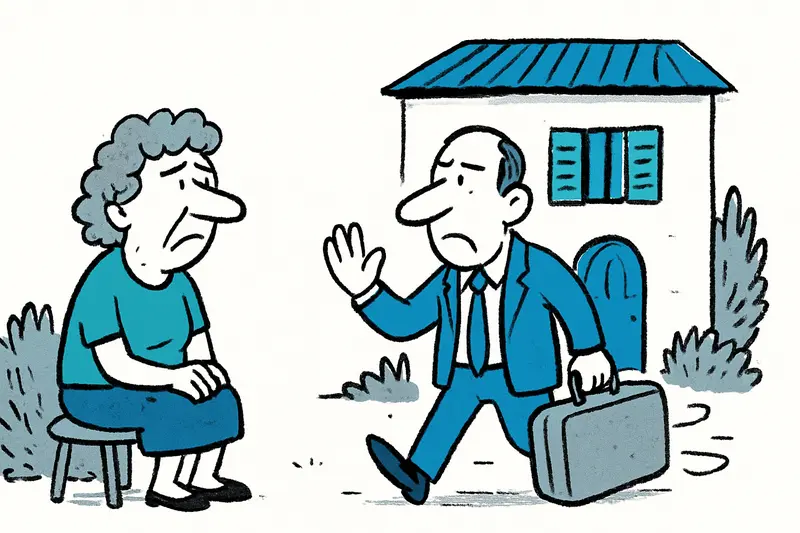
This year more than 24,000 rental contracts expire in the Balearic Islands. According to the PAH initiative, tenants have already faced drastic increases — with jumps from around €700 to €1,700. The Balearic government plans tax incentives for landlords who do not raise rents. A reality check: who will pay the price?
Rent Increase Wave 2026: Who Will Still Stay in Palma?
Key question: How much increase can the island bear before neighbors, tradespeople and waitstaff are pushed out of the city?
Summary
According to current figures, 24,456 rental contracts in the Balearic Islands expire in 2026. The tenants' initiative PAH already reports cases in which housing costs are set to rise sharply after contracts end — examples speak of increases from €700 to up to €1,700, as reported in Housing Price Shock in Mallorca: How Legal Large Rent Increases Threaten Tenants. At the same time, the Balearic government has proposed offering tax breaks to landlords if they forgo increases. On paper this sounds like a compromise, but in reality it risks shifting the pressure points and costs.
Critical analysis
The bare numbers are not enough to understand the pattern. Tenancy contracts expire, and what follows is not random: market prices align with short-term returns. Those who can rent their flat to tourists or for higher yields will do so. Who negotiates when the situation is so unbalanced? The result is abrupt rent hikes, forced sales or people moving away. The most visible problem are individual cases with massive jumps — €700 to €1,700 is not a gradual increase, it is a shock.
What is missing in the public debate
Public debate often focuses on instruments like tax incentives, but rarely on monitoring mechanisms: How will it be verified that an offered tax benefit truly secures housing for long-term tenants? Who checks whether landlords are simultaneously converting flats into short-term rentals? And: is there a registry of particularly vulnerable households that need immediate help? Without answers to these questions, measures remain piecemeal.
A daily scene from Palma
Early in the morning, mist still hangs over the chestnut trees in front of Mercat de l'Olivar. A woman with a shopping bag speaks quietly with the tenant on the third floor of an old building on Carrer de Sant Miquel: he is packing boxes because his landlord wants to double the rent. From the café below comes the sound of espresso machines, but the owner sighs — his regular clientele is shrinking as the neighborhood changes. Scenes like this are repeating in districts between Passeig del Born and La Soledat, and they are no longer isolated cases.
Concrete proposals
Empty appeals are not enough. Concretely, policymakers could proceed as follows: 1) a temporary moratorium on extreme increases for expiring rental contracts for low-income households; 2) tax incentives only for landlords who commit to and can prove multi-year rent caps; 3) establishment of municipal tenant advisory centers with legal assistance and mediation in every municipality; 4) transparent island-wide rent registers that publish reference rents and change rates; 5) tougher sanctions against the illegal conversion of housing into continuous short-term rentals; 6) targeted support for genuine social housing construction instead of mere subsidies to private owners.
Why some proposals warrant skepticism
Tax incentives sound attractive, but if they are not tied to strict conditions, they can become subsidies for market gains, as illustrated by Balearic Islands: Rents to rise by an average of €400 in 2026 — who will pay the bill?. Large portfolio owners would benefit without tenants being sustainably protected. Transparency and control mechanisms are therefore not a luxury but central.
Conclusion
The numbers are clear: over 24,000 expiring contracts plus documented individual cases with massive jumps mean pressure on neighborhoods. A pure incentive system for landlords is not enough. We need binding rules, active tenant advice, registered reference values and sanctions against circumvention tricks. If we as an island do not want our bakers, teachers and kiosk owners to be pushed out, the debate must become concrete now — not just with Sunday speeches, but with verifiable measures.
Frequently asked questions
Why are rent increases in Palma expected to become a bigger issue in 2026?
How much can rent go up in Mallorca when a lease ends?
Can tenants in Mallorca do anything if their rent is suddenly increased a lot?
Are tax breaks for landlords a good way to keep people in Palma?
What housing measures could help keep workers in Palma?
Is rent pressure in Palma already changing neighbourhoods?
What is happening around Mercat de l'Olivar and Carrer de Sant Miquel in Palma?
Why is Mallorca talking about rent registers and reference rents?
Similar News
Released with Conditions: The Plus Ultra Suspicion and a Mallorcan Finca as Residence
A Dutch entrepreneur, sought in connection with the Plus Ultra case, was extradited to Spain after his arrest in Germany...

Haute Nuit in Puerto Portals: Fashion, Art and Indulgence by the Water
On October 2 the Lobster Club in Puerto Portals will be transformed into a stage for curated fashion, art and culinary e...

Magaluf: Watchtower Alarm – Lifeguards Pull Unconscious Beachgoer from the Water
After a drama in the late afternoon, two lifeguards at Magaluf beach rescued an unconscious 44-year-old man. He was stab...

Turquoise in the City: How dangerous is the color play of the Sa Riera?
The Sa Riera in Palma suddenly turned turquoise — a pretty motif, but behind the effect lies a discharge of saline waste...

Jeckliner at Sunnesching: Cologne spirit sets sail from Palma
In September 2027 the Mein Schiff 2 briefly becomes a floating carnival stage: four days with Cologne bands, comedy and ...
More to explore
Discover more interesting content

Can Cap de Bou

Townhouse Lleo 72
