
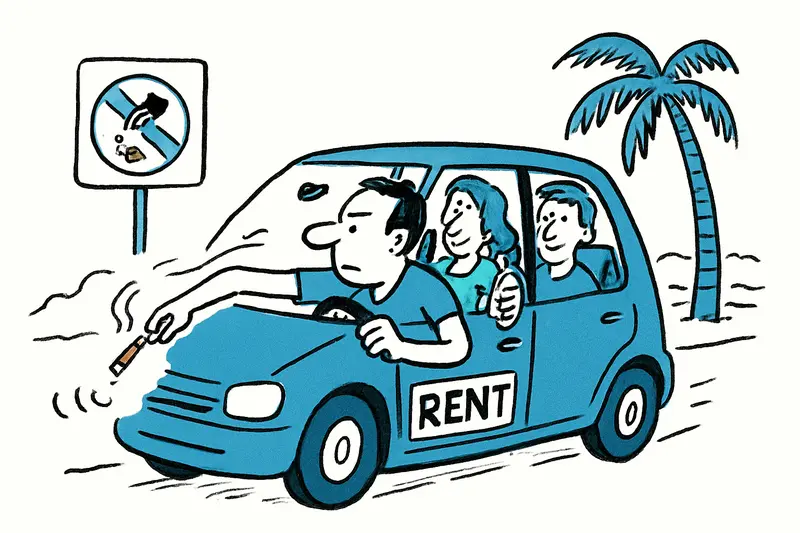
Rental car drivers in Mallorca: What you face — and why fines are only half the solution
Cigarette butts, cans, bags: Those who throw waste from their car in Mallorca risk up to €500 fine and six penalty points. But are fines alone enough to prevent fires and accidents?
Rental car drivers in Mallorca: What you face — and why fines are only half the solution
Key question: Are fines and point deductions enough to stop people in Mallorca from throwing things out of car windows — or is something important missing in everyday practice?
The facts are short and unpleasant: On the island, throwing objects from a vehicle can be prosecuted. In the worst case, penalties of up to €500 and a deduction of six points from the driver's licence are possible. The regulation targets not only litter but especially burning cigarette butts, because in the summer heat they can quickly ignite vegetation.
That sounds harsh, and it is — which does not mean it is unjustified. In the summer months Mallorca is like a fuse: heat, dry maquis, and a strong Tramuntana or Mistral wind, and a small spark is enough. When I drive the MA-13 toward Inca on a late July afternoon, I hear the steady hum of engines, see cyclists at the roadside and the pine trees rustling without any green moisture. A careless toss, and the scene changes instantly.
But the threat of punishment is only one side of the coin. Viewed critically, public debate has two blind spots: First, some drivers underestimate the real risk — for road safety and the environment. Second, a pragmatic offering that makes the rules manageable in everyday life is often missing. Many tourists arrive with a trunk full of luggage at the airport and do not think that “just flicking the cigarette out of the car” is more than just nonsense.
What is missing in the discourse? First, concrete visibility: On access roads to protected areas, nature parks and popular coastal stretches, notices about the ban on throwing are often sparse. A sign at a roundabout is not enough if it does not clearly explain the issue in several languages. It is also rarely discussed how car rental companies and airports could take greater responsibility. A fixed ashtray in a rental car is not rocket science — it is a reminder. Many drivers, especially tourists, only grasp rules when they are visible and immediate.
Everyday scene: A rental car with German plates turns from the PM-20 toward Arenal. Two young people laugh in the back seat, a woman hands the driver a bottle of water, the driver turns his head and mechanically flicks the cigarette out of the window. Seconds later a motorcyclist brakes sharply to avoid a piece of cardboard; the air smells of sea salt and scorched earth. I see such moments more often in the summer months than I would like — and they show how close road safety and environmental risk are.
Concrete solutions that are more practical than mere warnings:
1. Information duty for rental companies: Car hire firms could briefly point out the ban at check-in and provide a small fixed ashtray. A multilingual note with fines and reasons (wildfire risk, danger to other road users) helps.
2. Better signage at sensitive points: On access roads to Natura and forest areas, at rest stops and at entrances to holiday resorts, clearly visible signs in several languages make sense.
3. Infrastructure instead of moralising: More trash bins at parking areas, bins with secure lids and ashtrays at motorway service areas reduce the temptation to simply toss things away.
4. Combine controls with prevention: Instead of only imposing fines, the Guardia Civil and local police could distribute informational materials during checks. Visible controls have a deterrent effect; combined education increases acceptance.
5. Public awareness before the season: A simple campaign at airports, ferry ports and rental stations — short videos, posters, notices in online bookings — reaches many tourists before departure.
These proposals are not earth-shattering. They are practical and cost little compared to a fire that destroys dozens of hectares. Fines must remain; they are necessary because warnings alone do not reach everyone. But fines should be part of a package that combines prevention, information and infrastructure.
Pithy conclusion: It's lovely to lie on the beach and feel the wind — provided the wind doesn't bring the flames. If you are travelling around Mallorca you have a simple choice: think briefly or pay briefly. The island cannot think for itself — so we must. And the authorities, rental companies and operators of rest areas could make it easier for us with clearer notices and small aids.
Frequently asked questions
What are the penalties for throwing items from a car in Mallorca?
Why is cigarette butt disposal a bigger concern in Mallorca during summer?
What practical steps can rental companies take to reduce littering in Mallorca?
How could signage help Mallorca visitors avoid littering near nature parks?
What infrastructure could help prevent littering at Mallorca rest stops and service areas?
How should authorities balance penalties with prevention to curb roadside litter in Mallorca?
What should travelers know before visiting Mallorca to minimize wildfire risk?
What simple actions can make it easier to follow Mallorca's litter rules during summer?
Similar News
Invasive Wasps in Mallorca: Who Will Stop the Buzz?
Asian and Oriental wasps are establishing colonies on the island. Key question: Are traps and reporting hotlines suffici...
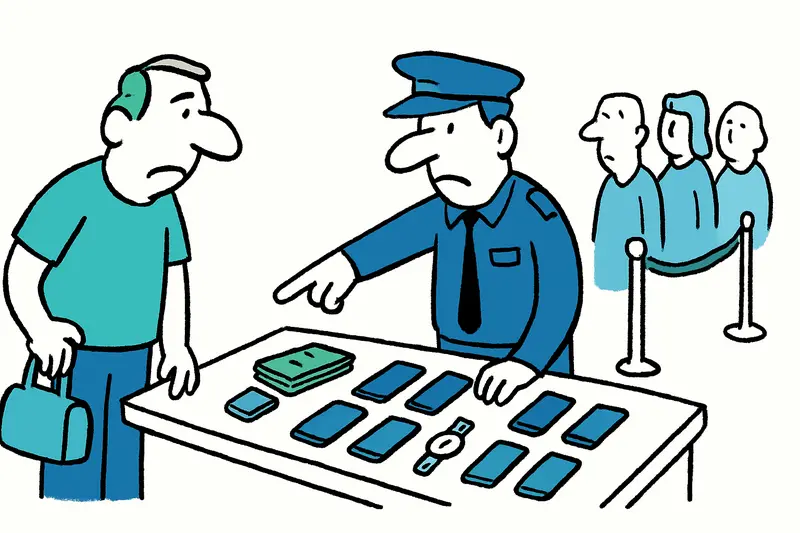
Check at Palma Airport: Large Amount of Cash, Nine Phones and the Question Who's at the Back of the Line
Early on Friday morning officers stopped a 67-year-old at Palma Airport. In his luggage they found €26,590, nine mobile ...
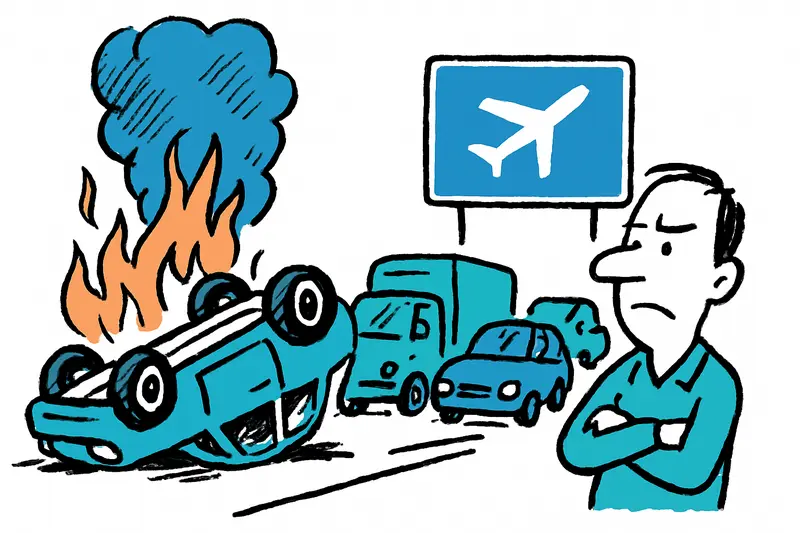
Car overturns and burns on the airport highway: What the traffic jam tells us
A car overturned early in the morning on the Palma–Llucmajor stretch (km 13.8) and caught fire. The driver escaped with ...
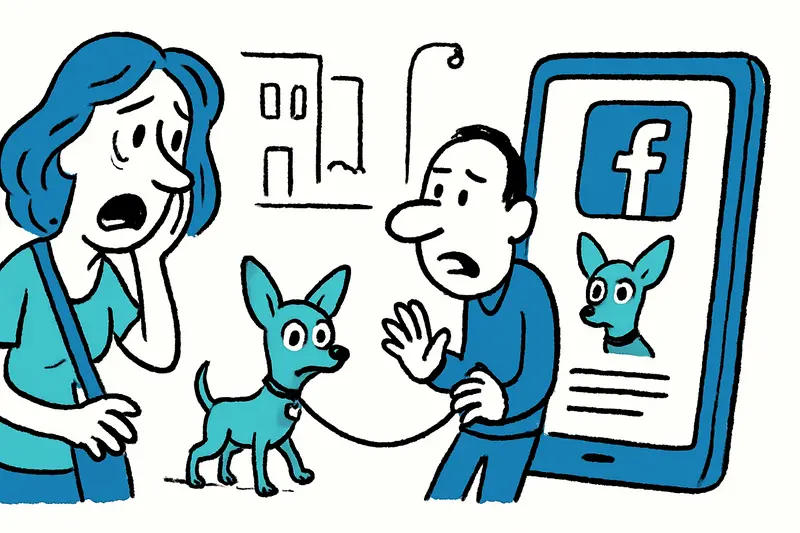
Chihuahua kidnapped in Ciudad Jardín – Ransom demand during Facebook appeal
A sick Chihuahua named Peque disappeared during dinner in Ciudad Jardín. After a ransom demand of €900 the National Poli...
Police Clean Up: Almost 4,000 Confiscated Items in Palma and at Playa de Palma
In two checks below the cathedral and at Playa de Palma, the local police confiscated almost 4,000 goods. One seller fac...
More to explore
Discover more interesting content

Boat Tour with BBQ along Es Trenc Beach

Private transfer from Mallorca Airport (PMI) to Pollensa
