
Housing Fraud in Palma: When Desperation Becomes a Trap
Housing Fraud in Palma: When Desperation Becomes a Trap
A 60-year-old woman is on trial: she is accused of placing fake rental ads for apartments that either did not exist or were not hers. The prosecution is seeking more than five years in prison. What is missing from the debate — and how can victims protect themselves in the future?
Housing Fraud in Palma: When Desperation Becomes a Trap
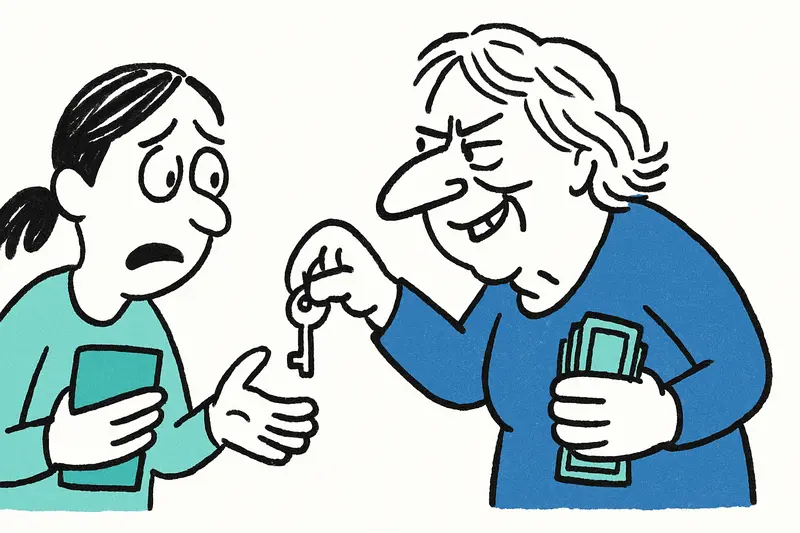
Statistics have no faces: they count listings, rents, vacancies. But behind the numbers are people — and in Palma there are currently many who are desperately searching for an affordable apartment, as described in Sky-high prices, tents, empty promises: Why Mallorca's housing crisis is no longer a marginal issue. In a recent case, a 60-year-old woman sits in the dock, accused of having offered apartments via online listings in early 2025 that either did not exist or did not belong to her. The prosecution is seeking a prison sentence of five years and three months.
Key question
How can a society prevent housing shortages from not only hitting the most vulnerable, but also opening them up to criminal business models?
Critical analysis
The defendant is said to have taken reservation or deposit payments from interested parties — visibly in cash at a stationery shop where she allegedly worked, or by bank transfer, accompanied by signed receipts. A clear mechanism: an online listing creates demand, a personal meeting place builds trust, cash disappears. At least five people were harmed, according to the prosecution. Particularly dramatic is the case of a migrant widow with a small child: she initially transferred €1,600 and was later asked to pay €5,000 as a down payment for a purchase. In a check she discovered that the photos belonged to an apartment in Córdoba — a clear sign of fraud.
Another couple transferred €800 for an alleged apartment on Calle 31 de Diciembre. Suddenly the listing stayed online, the pictures did not match the property, and the actual tenant confirmed that other interested parties had already called. Investigators found that the accused is not linked to any property in Palma. Similar dynamics are described in Shadow Market in the Island Paradise: Occupied Houses in Mallorca Sold at Premium Prices. After previous fraud convictions in 2021 and 2022, whose sentences were suspended, she is now in pretrial detention. The prosecution is also seeking €2,400 in compensation for the victims. A preliminary hearing on January 12 produced no agreement; a date for the main trial has yet to be set.
What is missing from the public discourse
Beyond the outrage, the question is often missing of how the market's infrastructure facilitates abuse: What verification duties do platform operators have? Why does a listing remain visible after payment? Why are there not simple, free checking and reporting channels for victims? And: how do you reach people who speak little Spanish or have few formal means before they make payments? Examples from neighborhoods such as El Terreno and Santa Catalina are explored in When the Neighborhood Gives Way to the Market: Paths Out of Mallorca's Housing Shortage.
Everyday scene from Palma
On Passeig Mallorca in the early afternoon you meet seekers with bulky briefcases and hungry eyes on their phones. In front of the stationery shop where receipts were allegedly issued, an older man pauses, looks through the window, coughs — he knows the stories from the neighborhood. Such scenes echo reports like When Doors Are Bricked Up: Reina, Luna and the Escalating Housing Crisis in Palma. A mother with a stroller scrolls through listings, hears the tram squeak and sighs. Such scenes are not mere background; they are indicators: civic courage and neighborhood networks are often the first to notice when something is wrong.
Concrete solutions
1) Make platform responsibility mandatory: online marketplaces should be required to verify identities (ID + tax number) and demand clear contact details before listings are activated. 2) Escrow requirement for deposits: reservation fees should go into a short-term escrow account, not personal accounts. 3) Visible warnings and simple verification tools: a central contact point at the city or the Balearic Housing (Vivienda) office that can check listings. 4) Multi-language education and mobile advisory centers in neighborhoods with high demand. 5) Faster information and reporting systems between victims, police and platforms so that fraudulent listings can be taken offline immediately.
Conclusion
The case in Palma is not an isolated incident but a warning sign. Housing pressure creates demand — and demand creates market opportunities for fraud. It is not enough to punish individual acts. We need rules that make the system more resilient and concrete support for those who are most vulnerable in the market. As long as seekers in a hurry and in despair have to make financial commitments, fraudsters have a place to operate.
Frequently asked questions
How can I avoid housing scams when renting an apartment in Palma?
What are the warning signs of a fake rental listing in Mallorca?
Should I pay a rental deposit in cash in Palma?
What should I do if I think I have been scammed by a landlord in Mallorca?
Why are housing scams becoming more common in Palma?
How can I check if an apartment listing in Palma is real?
Are migrants and newcomers in Mallorca more vulnerable to rental fraud?
What should Mallorca rental platforms do to prevent fake ads?
Similar News
Mistaken identity with fatal consequences: Brutal assault in S'Aranjassa — what's missing in the follow-up?
At S'Aranjassa a visitor to a finca was tied up, beaten and thrown out of a van. Three men have been arrested, including...
High heel slips, car accelerates: accident on Camí de Son Hugo
A woman lost a high-heeled shoe on the forecourt of the sports facility at Camí de Son Hugo. The car accelerated, mounte...
Phone Scam: How Two Hotel Employees at Playa de Palma Lost Thousands of Euros
One morning in September, two reception employees at Playa de Palma were pressured by alleged alarm-company staff — in t...
When the Wallet Becomes a Danger: Attack in Peguera and Lessons for Mallorca
In Peguera, two women are said to have stolen the wallet from a 75-year-old German couple. When the victim intervened, t...
Plata stays Plata: Young people take over, Llonguets remain
A small bar on Carrer de l'Argenteria will continue: Tolo Serra hands the place over to young Mallorcans at the end of t...
More to explore
Discover more interesting content

Can Cap de Bou

Townhouse Lleo 72
