
Rent shock in Mallorca: Almost every apartment now costs over €1,500 — how long can this last?
Rent shock in Mallorca: Almost every apartment now costs over €1,500 — how long can this last?
New figures show: on the Balearic Islands almost 90 percent of rental listings are over €1,500 per month. People who want to work or stay on Mallorca are coming under pressure. A critical analysis with an everyday scene, gaps in the public debate and concrete solution proposals.
Rent shock in Mallorca: Almost every apartment now costs over €1,500 — how long can this last?
Key question: How will average earners be able to pay rent on an island where almost every available apartment costs more than €1,500 — and what roles do politics, tourism and investors play in this?
Fresh data from the property portal pisos.com confirm what many suspected: on the Balearic Islands around 89 percent of rental listings are now above the €1,500-per-month threshold; in Palma it is even about 90.1 percent. By comparison: across Spain this threshold applies to only around 39.4 percent of listings. At the same time, apartments under €700 have practically vanished — on the Balearics they make up only about 0.4 percent. This development is not an abstract cluster of statistics; it changes everyday life and society. This is detailed in Rent-price shock 2026: How Mallorca is heading toward a social crisis.
The data confirm a simple, bitter mechanism: supply and demand are drifting apart. Short-term rentals, strong demand from abroad and investors who treat real estate primarily as an investment rather than housing for neighbours increase pressure on the market. Added to this are limited land, lengthy approval processes and in many places a lack of affordable new housing. The broader pressures of investors and tourism are examined in Buying and Renting in Mallorca: Why Prices Are Pushing Locals to the Edge — and What Could Help Now.
Critical analysis: where the numbers don't reach
The raw percentage obscures which groups are particularly affected. Young professionals, teachers, care workers, tradespeople and middle-income families are being pushed to the margins because they can neither afford high rents nor accept long commutes between home and work. Seasonal workers and service staff also find barely any stable housing. In many municipalities the consequence is already noticeable: supermarket and café staff, shift workers, young couples — they no longer commute to the island daily, they move away.
Another blind spot in public discussions: the role of vacant owner-occupied flats and unused second homes is often only mentioned in passing. Equally invisible are precise figures on conversions of apartments into tourist accommodation or the effectiveness of existing local political measures such as mandatory registration for holiday rentals.
Everyday life on the island: a scene that repeats
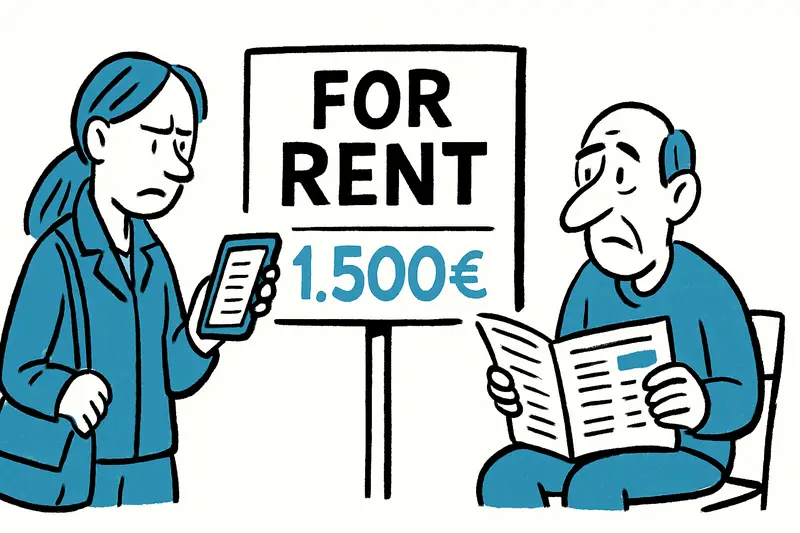
On a windy morning on Passeig Mallorca you can easily observe it: delivery vans rumble by, a young woman in a rain jacket scrolls impatiently through listings on her smartphone, an elderly neighbour sits on a bench reading the paper. The woman has just gone through a viewing for the third time in a month — the flat was too small or already reserved as a holiday rental for the season. Scenes like this play out in Palma, Inca and Sencelles. For many, the search for housing has become a constant burden.
What is missing from the public discourse
The debate often focuses on assigning blame: tourism versus locals, investors versus politics. What is missing, however, are reliable, locally disaggregated data on vacancy, second homes, holiday rentals and the concrete effects of measures already decided. Also little present is the perspective of municipalities: which areas can actually be activated quickly for social housing? And how can short-term relief be organized for people in urgent need?
Concrete solutions — pragmatic and locally implementable
1) Transparency drive: a mandatory public register for holiday rentals and vacant units, maintained by municipalities or the Balearic government. That creates the data on which measures can work.
2) Rental incentives for long-term leasing: tax breaks and subsidies for owners who rent their apartments to local tenants for at least three years, combined with fines for illegal short-term rentals.
3) Rapid conversion and social housing: examine vacant office or hotel properties and, where feasible, quickly create social housing — with public-private partnerships that include strict occupancy and price rules.
4) Deposit and rent assistance: municipal funds for security deposits and time-limited rent subsidies for key professions (care, education, hospitality).
5) Second-home and vacancy tax: designed progressively so that investors are held more accountable while long-term residents are relieved.
6) Simplified building permits for affordable housing with clear requirements on rent caps for a defined period.
These measures also respond to documented tenant pressures such as When €800 Suddenly Becomes €1,300: How Minimum Lease Periods Are Pushing Tenants Out in Mallorca, which highlight how contractual and regulatory details can abruptly change affordability.
Conclusion — no easy solution, but pressure to act
The figures are a warning sign: if nine out of ten listings are expensive, living on Mallorca will soon become a luxury that those who are supposed to work here can no longer afford. Debates about tourism, investment and regulation must become concrete now. Bold, locally coordinated measures are needed — data-driven, with clear deadlines and with an eye on those who keep the island alive. Otherwise at the end there will only be empty holiday apartments while neighbourhoods empty out, a trend underscored by reporting that Balearic Islands: Rents to rise by an average of €400 in 2026 — who will pay the bill?.
Frequently asked questions
When is the best time to visit Mallorca for beach weather and outdoor activities?
What should I pack for a Mallorca trip?
Is Mallorca safe for travelers?
How do I get around Mallorca without a car?
Are the beaches in Mallorca suitable for swimming all year?
What are family-friendly activities to do in Mallorca?
What local foods should I try when in Mallorca?
What should I know about Mallorca’s weather patterns?
Similar News
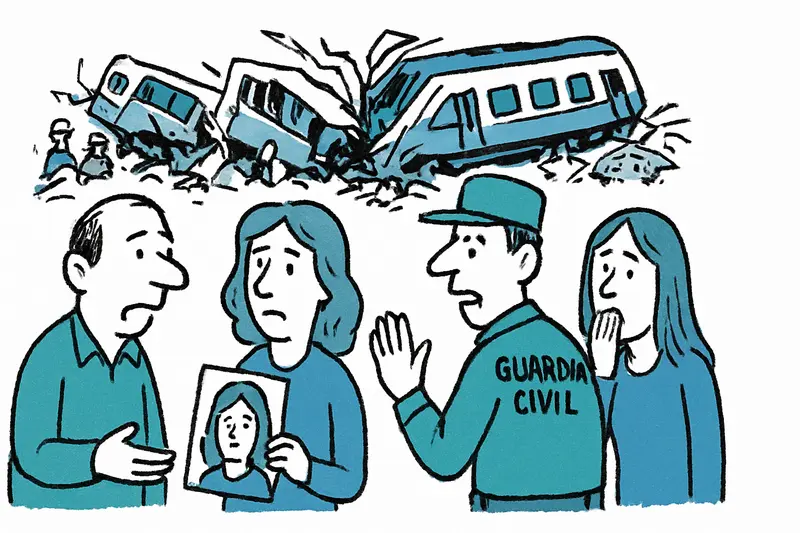
69 Dead, One Missing Mallorcan: What Needs to Be Asked After the Toledo Train Crash
Sixty-nine people died in the head-on collision of two high-speed trains in the province of Toledo. A 26-year-old woman ...
Biniamar Worried: Bar Mayorga Closes, Santa Tecla Church Closed — What Now?
In the village centre of Biniamar a 37-year bar era ends and the Santa Tecla church is closed due to cracks. A reality c...

Train accidents in Spain: Why the list of disasters seems longer than the answers
From Adamuz to Urda: In a short time, one serious railway accident follows another. Who asks why this is happening — and...
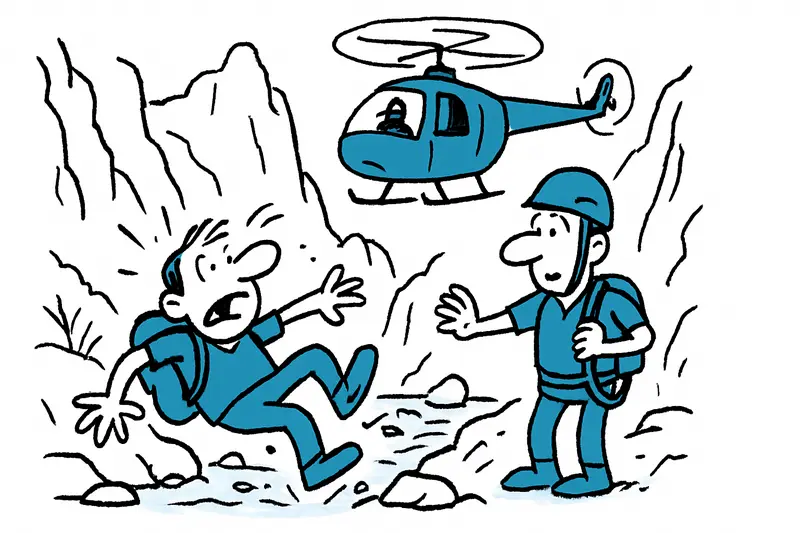
Fall in the Torrent de Pareis: Who Protects Hikers?
A hiker fell in the Torrent de Pareis from about three metres and was airlifted to Son Espases. Key question: Are warnin...

Who will bake the bread tomorrow? Ca'n Xiscos, Pina and the question of the village center
Pina's only bakery is up for sale. For many residents it is more than a shop — it is a meeting place and a social networ...
More to explore
Discover more interesting content

Can Cap de Bou

Townhouse Lleo 72
