
s'Aigo Dolça: When will Palma's new indoor pool finally be ready?
s'Aigo Dolça: When will Palma's new indoor pool finally be ready?
Four years of construction, two pools, a bar, a restaurant — and still not opened. A critical assessment: Why is the reconstruction of s'Aigo Dolça stalled and what is missing from the public discourse?
s'Aigo Dolça: When will Palma's new indoor pool finally be ready?
Key question: Why is the opening of the indoor pool at the Paseo Marítimo being delayed — and who will ensure that it actually works this time?
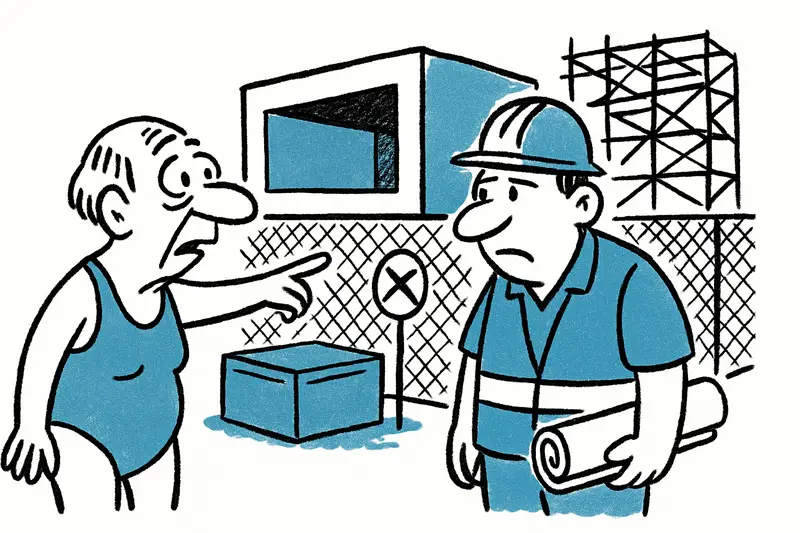
You stand on the Paseo Marítimo, hear the roar of the ferries and see the construction site: scaffolding, parked containers, now and then a worker in a high-visibility vest. Work on the s'Aigo Dolça project began just over four years ago, aiming to revive the swimming tradition in this area, a process reminiscent of discussions around Parc de la Mar: 20 months of construction – curse or opportunity for Palma?. Instead of a celebratory opening, there are still barriers and the city administration is hoping the facility will be fully usable next summer.
Critical analysis
The sober facts are known: on almost 6,000 square meters two pools are being built (one 25 meters long and twelve meters wide with six lanes, plus a smaller one), a bar, a restaurant, several multipurpose rooms and parking decks — initially with 117 spaces. The budget is €11.17 million, financed in part with EU funds and topped up by the island council and the city; this follows other municipal efforts reported in Palma renews sports facilities: small repairs, big impact - and open questions. The complex was actually supposed to open in the autumn. Instead, the administration stopped the approval because the city planning team reported several technical defects.
The problem lies less with the concept and more with the execution: defects in technical interior work, in processes for ventilation, water treatment or fire protection can make a facility unusable if they do not function reliably. In public construction projects there are additional factors: contract terms, time pressure and interfaces between subcontractors are often sources of errors. The result is delays and uncertainty for users, clubs and residents.
What is missing from the public discourse
Conversations about the construction site mostly focus on opening dates. Rarely is it explained in detail which defects were discovered, how serious they are and which steps are planned to fix them. Also hardly discussed: who is liable for the remedial work, how additional costs will be shared and whether there will be independent inspections. Transparency is lacking — this creates mistrust among sports clubs, parents and elderly residents who urgently need the pool.
Everyday scene from Palma
On a morning one can observe older women with handbags on the promenade who used to train in the old pool, young families with prams looking for a warm indoor pool, as highlighted by Indoor Pool Festivals in Palma: Water Courses, Children's Laughter and Full Registration Lists, and taxi drivers at the edge debating when the next season will really begin. A churros seller on the corner comments dryly: "We're all waiting for the place to open — and then hopefully without new mishaps." These little conversations show: the facility is not just concrete and technology, it affects neighborhoods, clubs and the everyday life of many people.
Concrete solutions
1) Public list of defects: The city should publish a clear list of the issues raised, with priorities and a timetable for their resolution. 2) External technical inspection: an independent expert report can provide clarity and restore trust. 3) Clear assignment of responsibility: contract partners should be named; if remedial work will incur costs, this should be made transparent. 4) Interim solutions: until final approval, cooperation with existing indoor pools and expanded shuttle services could provide short-term help to residents. 5) Citizen participation: a simple advisory board of club representatives, residents and technical experts can improve communication and bring real user needs into the process.
Concise conclusion
It is understandable that complex construction projects take time. But when a project meant to benefit the public is shrouded in uncertainty for years, people need more than vague promises: clear information, accountable responsibilities and practical interim offers. Palma's s'Aigo Dolça has the potential to become a place for sport, meeting and even parking; similar debates have taken place about green and leisure projects such as Palma’s new park area in s'Olivera: Good idea, well planned — or just pretty paving?. For it not to remain just a project that looks good on plans, the administration and contractors must now act openly, quickly and concretely.
Frequently asked questions
When is s'Aigo Dolça in Palma expected to open?
Why has Palma's s'Aigo Dolça indoor pool been delayed?
What will the new s'Aigo Dolça complex in Palma include?
How much is Palma's s'Aigo Dolça pool project costing?
Where is s'Aigo Dolça located in Palma?
Who is affected by the delay at s'Aigo Dolça in Palma?
Are there any temporary alternatives while Palma's s'Aigo Dolça is not open?
What should Palma do to get the s'Aigo Dolça project back on track?
Similar News
Injured captain, big plans: Germania Mallorca before the away match in Consell
The newly founded FC Germania Mallorca travels to Consell on Saturday. Captain Bastian Müller is out injured, but coach ...
Palma, Palma de Mallorca, Palma‑Mallorca: What is it really about?
The debate over the city's name is more than grammar: it concerns identity, law and branding policy. A sober reality che...
Warning to Bathers: Nipping Fish in Cala Major and Other Coves — a Reality Check
In Cala Major and several beaches around Mallorca, bathers report painful “nips”. Who are the animals, why are they gett...

Rental Car Theft in El Arenal: What This Incident Reveals About Our Gaps
A teenager steals a running rental car in El Arenal, flees on foot, climbs over walls and is caught by the Guardia Civil...

Red Rope in Palma's Library: What Helps Against Selfie Tourism — and What's Missing
Palma's city library cordoned off an area with a red rope to keep selfie tourism away from reading and working activitie...
More to explore
Discover more interesting content

Can Cap de Bou

Townhouse Lleo 72
