
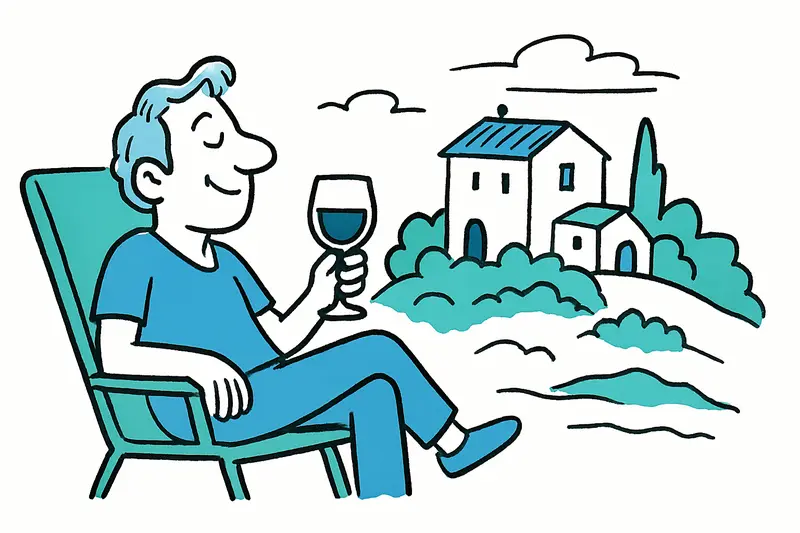
S'Estaca: Michael Douglas' refuge between Deià and Valldemossa
S'Estaca: Michael Douglas' refuge between Deià and Valldemossa
An estate with terraces, a pool and its own wine cellar: S'Estaca has belonged to Michael Douglas since 1990. Why the estate is more than celebrity gossip - and what Mallorca's villages gain from it.
S'Estaca: Michael Douglas' refuge between Deià and Valldemossa
A historic estate that combines tranquility and Mallorcan landscape stewardship
When in Palma the thermometer reads 34°C on a July morning and the cicadas start their shrill rhythms early, the locals in Valldemossa prefer to sit in the shade of the plane tree on the plaça. From there, on clear days you can see the steep slopes dropping toward the sea — and you can imagine how extensive the S'Estaca estate is, which has belonged to the US actor Michael Douglas since 1990.
The figures are impressive: around 77 hectares of land, divided among eight independent houses. Altogether the buildings offer space for about ten bedrooms and a similar number of bathrooms. Visitors, who rarely get inside, know the distinctive features: a swimming pool, rooms for fitness and wellness, a library and a wine cellar that gives the house its tranquil character.
What makes S'Estaca so special is the way it is integrated into the landscape. Terraces and stepped constructions, created here already in the time of Archduke Ludwig Salvator, adapt to the natural contours of the terrain instead of levelling them. Anyone driving the narrow coastal roads between Deià and Valldemossa quickly notices: the houses sit like staggered islands among pine and maquis vegetation, with views of coves and steep cliffs.
Inside, Catherine Zeta-Jones added accents. She opted for warm wooden furniture, restrained, light fabrics and floral arrangements that make the rooms feel less like exhibition spaces and more like a cozy home. This is not gloss without roots, but an interior built on relaxation and natural materials — fitting the stone walls and terraces of the houses.
For the island, an estate like this has several aspects: it is part of the cultural fabric along the northwest coast, it preserves historic buildings and it creates local jobs — gardeners, craftsmen, housekeepers and winemakers benefit from the upkeep of large estates. And: Celebrity Move to Mallorca: Peace or New Controversy at the Golf Course? brings attention that directs some visitors more gently to the villages than mass tourism would.
An everyday scene: Monday mornings in Valldemossa, a delivery van maneuvers at the small supermarket on Carrer de la Residència, the smell of coffee comes from the bar, two elderly women exchange news. Nobody expects paparazzi, but they do expect the calm that S'Estaca radiates — terraces, cedars, the faint splash of a distant pool. It is this normality that protects the place.
There is also a small lesson for visitors: respect for private spaces and appreciation for local craftsmanship. Those who explore the area would do well to stay on marked paths, shop in the villages and support the small wine production in the surroundings. That way Mallorca's landscape stays alive, even when big names appear on the map.
Unless you are invited, you can only admire S'Estaca from a distance — and that's fine. The view from the mirador, a coffee in Deià or a walk through the alleys of Valldemossa are enough to feel the quiet qualities of this corner of the island. An estate like this is not an advertisement but part of a mosaic: historic architecture, landscape care and a touch of worldly seclusion.
And a small, conciliatory outlook: when the heat of the July day eases and the bells of the village church in Valldemossa ring, everything — even the mystery around celebrity gardens — feels like a perfectly normal part of island life. That S'Estaca belongs here is for many locals simply another reason to be proud of the landscape.
Frequently asked questions
When is the best time to visit Mallorca for good weather and fewer crowds?
Can you swim in Mallorca year-round, and what months are best for swimming?
What should I pack for a week in Mallorca to stay comfortable and prepared?
Is it easy to travel between towns in Mallorca without a car?
What are good Mallorca activities I can do without a guide?
How does Mallorca's weather change with the seasons?
What should I know about swimming safety on Mallorca’s beaches?
Is Mallorca a good destination for food and culture?
Similar News
Released with Conditions: The Plus Ultra Suspicion and a Mallorcan Finca as Residence
A Dutch entrepreneur, sought in connection with the Plus Ultra case, was extradited to Spain after his arrest in Germany...
Haute Nuit in Puerto Portals: Fashion, Art and Indulgence by the Water
On October 2 the Lobster Club in Puerto Portals will be transformed into a stage for curated fashion, art and culinary e...
Magaluf: Watchtower Alarm – Lifeguards Pull Unconscious Beachgoer from the Water
After a drama in the late afternoon, two lifeguards at Magaluf beach rescued an unconscious 44-year-old man. He was stab...
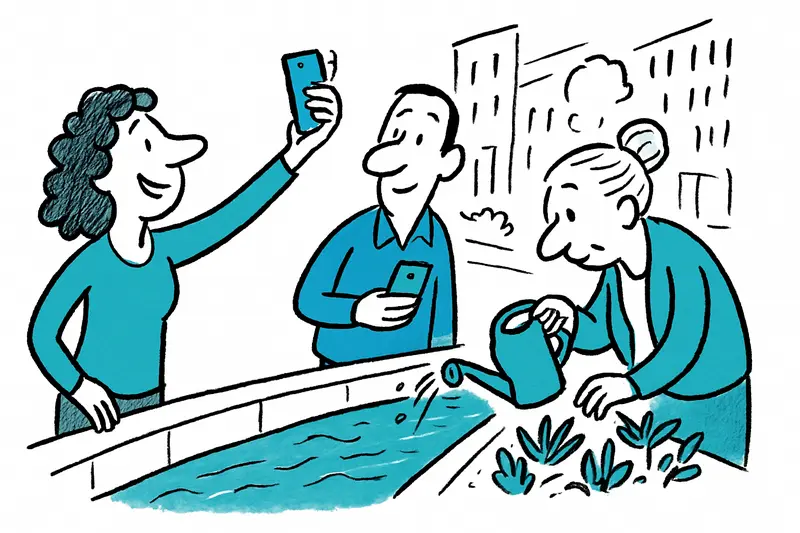
Turquoise in the City: How dangerous is the color play of the Sa Riera?
The Sa Riera in Palma suddenly turned turquoise — a pretty motif, but behind the effect lies a discharge of saline waste...

Jeckliner at Sunnesching: Cologne spirit sets sail from Palma
In September 2027 the Mein Schiff 2 briefly becomes a floating carnival stage: four days with Cologne bands, comedy and ...
More to explore
Discover more interesting content

Can Cap de Bou

Townhouse Lleo 72
