
One less shop on the pedestrian street: Sa Lluna in Sóller closes after 38 years
One less shop on the pedestrian street: Sa Lluna in Sóller closes after 38 years
At the end of 2026 an era ends on Luna Street: the haberdashery Sa Lluna is closing because the owner is retiring. What the farewell reveals about changes in retail in Sóller.
One less shop on the pedestrian street: Sa Lluna in Sóller closes after 38 years
Why can't traditional small neighbourhood shops in tourist towns simply be passed on when the owner retires?
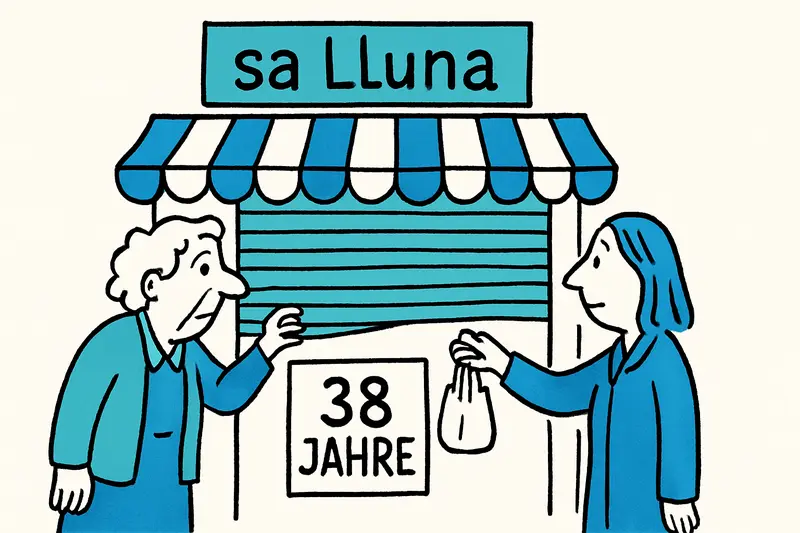
At the end of this year a familiar shop shutter will fall for the last time on Luna Street, the busy main shopping street of Sóller. The haberdashery Sa Lluna is closing; the owner, Margalida Mateu, is ending the business after 38 years. She opened the shop in 1988, at the age of 26. Since then the premises have been a kind of all-purpose box for the neighbourhood: underwear, household goods, needles, thread, zips, shoelaces – things you suddenly need and that not every supermarket keeps in stock.
At first the news reads like a personal decision: retirement and no successor. But there is more behind the farewell. Since 1988 Sóller has changed: tourists stay for shorter periods, shop differently, and vacancies in side streets are increasing, a trend reflected in a survey showing small shops' falling sales. Many small traders report that visitors may stroll through the lanes in crowds, but are less likely to step into the little shop with the bright display to buy a spool of thread. At the same time costs have risen – rents, energy, and the bureaucratic hurdles for anything new. The observation that mainly locals now clear the shelves is not a compliment for the state of local retail after a weak end-of-summer sale.
Public debate often fails to distinguish between "tourism" and "local consumption." The first may generate revenue, but it is unevenly distributed: it fills restaurants and experience providers more than the seller of spare buttons. Also rarely discussed is the question of business succession. Young people seldom look for a shop as a life project; training in crafts and retail is less often linked to succession plans in villages like Sóller. The result are gaps in provision that you only notice when you urgently need a zipper.
A scene from everyday life: It is Thursday, the sun is already high. From near the Plaça you can hear the clatter of the old tram to the harbour. An older woman stops in front of Sa Lluna and asks if there is still thread in a natural shade – the shopkeeper smiles, pulls out two balls, places the bag with the purchase in her hand and swaps an anecdote about the last market. Such small encounters are what keep a street alive. When they become rarer, a place loses more than just a trading partner: it loses meeting points and practical help for everyday life.
What concrete answers are missing in Sóller and elsewhere? Here are six proposals that don't sound like big politics, but are practical:
1. Transfer and start-up funds: Small grants or low-interest loans, tied to a mentoring agreement, could bridge the gap between retirement and takeover.
2. Cooperation instead of going it alone: Cooperative models in which several traders share a space or neighbours run a shop together reduce risks and costs.
3. Promoting a repair culture: Local campaigns that make sewing and repair services more visible would create demand for what today is seen as small wares.
4. Simple digitisation: A small online catalogue with click & collect for island customers, organised jointly for several shops, increases visibility without much extra effort.
5. Apprenticeships and cooperation with vocational schools: Internships in village shops could give young people hands-on experience and revive the idea of taking over a business.
6. Municipal vacancy programmes: Temporary rent subsidies, pop-up support or spaces for markets bring life to empty corners and test new concepts.
These measures alone will not solve all problems. But they can prevent streets from becoming nothing but souvenir stalls and eateries while the practical supply for residents disappears. Another point: politicians and the tourism industry talk a lot about bed numbers and attractions, but rarely about the small shops that secure everyday life.
Margalida Mateu describes her life behind the counter as rich in encounters and satisfying. That is true and lovely. At the same time her farewell is symbolic of a gap that is more than an empty shop window on Luna Street; similar long-standing closures, such as Mercería Àngela closing after 340 years, underline the trend. If the municipality, traders and neighbourhood do not act, the next closure may not be due to age but to economic distress. Then it will not just be zips that are missing – but a piece of everyday security and identity in Sóller.
The challenge is therefore known. The guiding question remains: will we continue to watch the functional infrastructure of our villages narrow, or will we invest in models that make small shops future-proof? The answer will decide whether in a few years the tram bell is only a tourist sound, while locals have to travel to the town for their last repair hour.
Frequently asked questions
Why are traditional small shops closing in Sóller and other Mallorca towns?
What happened to Sa Lluna in Sóller?
How does tourism impact small shops versus experiences in Mallorca?
What practical steps could help preserve small shops in Mallorca villages?
How could business succession be encouraged for Mallorca’s village shops?
What does the Sa Lluna case tell us about daily life in Sóller?
Are there community-focused ways to support small shops in tourist towns like Sóller?
Why is it important to differentiate tourism impact from local consumption in Mallorca?
Similar News
Three-ton llaut salvaged in Puerto Portals – volunteers clear microplastics from the harbor
During the weekend operation in Puerto Portals, divers pulled an approximately three-ton llaut from the harbor. Associat...
Naked Pillar in Bunyola: Why a Climbing Prank Is More Than an Accident
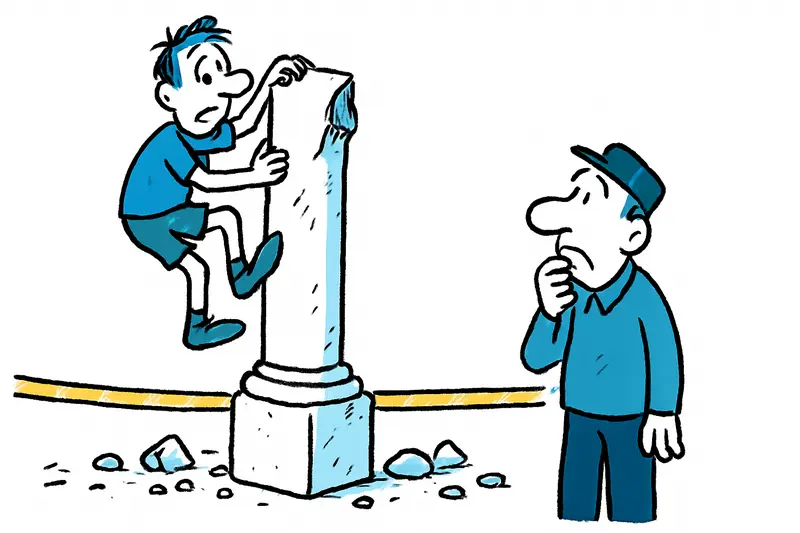
During the Sant‑Mateu verbena a 20‑year‑old fell at a protected wayside cross in Bunyola and pulled the stone cross off ...

Towel on It, Chair Gone? How Hotels Can Regulate Reservations of Sun Loungers
After a deadly dispute in Greece, the question has resurfaced in Mallorca: Are hotels allowed to ban or sanction the pra...

Illetas: Police Officer and Two Lifeguards Rescue Two Female Tourists from the Sea
Late on Friday afternoon emergency responders entered the water off the coast of Illetas: a local police officer and two...
Inca: Severely injured female dog found in garbage bags in a container – who has seen anything?
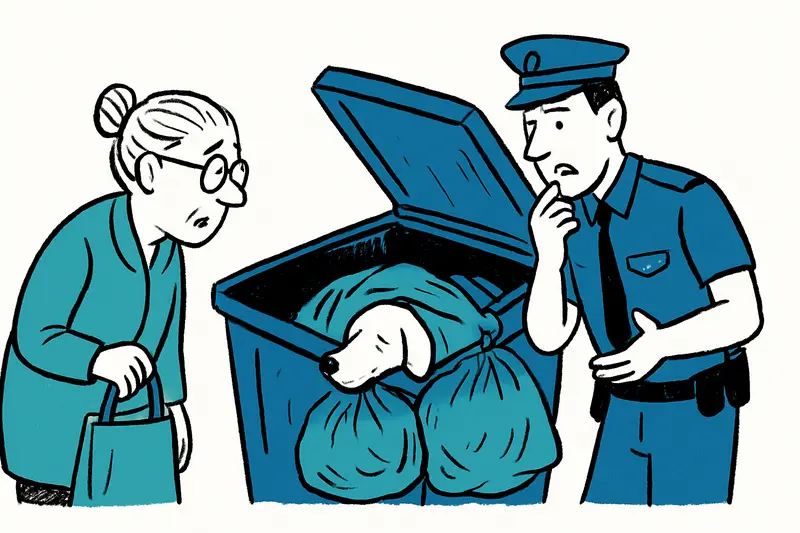
In Inca, a severely injured female dog was discovered wrapped in two garbage bags inside a container on Avenida Rei Jaum...
More to explore
Discover more interesting content

Can Cap de Bou

Townhouse Lleo 72
