
End of an Era in Palma's Streets: Mercería Àngela Closes After 340 Years
Mercería Àngela in Palma's Old Town is closing after 340 years. More than just a sewing notions shop is lost — the closure raises questions about tourism, rent pressure and the future of craftsmanship in Palma.
One last stitch, then the door closes
The brass buttons in the shop window still catch the weak November light, but the shelves are thinning out. In a narrow alley near the Plaça Major, where delivery drivers balance their vans against pedestrians in the morning and the smell of coffee from the neighbouring bar fills the air, Mercería Àngela is closing its doors after 340 years and in the eleventh generation of the family. People walking by stop — not only because of the sale signs, but because a small shock is spreading through the neighbourhood. Similar closures have shaken other streets, for example End of a Neighborhood Era: Can Comas on Aragón Street Closes After 29 Years.
More than needles: meeting place, repair point, archive
The shop was never just a place for yarn and sewing needles. It was a piece of lived urban history: a point of contact where neighbours exchanged fabric scraps, pensioners had their jackets mended, and tourists asked in surprise whether such a place still existed. The old merchant ledgers on the shelf, the handwritten order lists, the faint black smudges from working hands on the counter — these are testimonies of a business practice that doesn’t appear in every business plan.
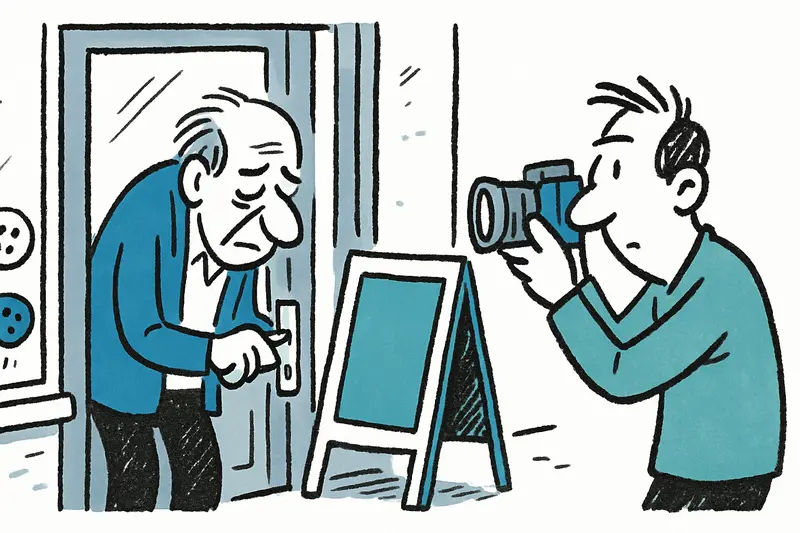
Today many people no longer come to buy. “In the past women came with lists; today they stop and take photos,” the owner says half laughing, half sad. The photos document the disappearance; they are a new form of remembering. At the same time they reflect Palma’s transformation: from a place where things were repaired and preserved to a city where consumption often outpaces care.
A closure with warning signs
The reasons are complex: falling revenues, logistical hurdles, a younger generation that wants to take a different path — and constant rent pressure that makes small shop spaces increasingly untenable. This mix is not an isolated case; a recent survey documented it in When the Shop Windows Fall Silent: Small Shops in Mallorca Feel the Pressure in Summer 2025. In Palma’s Old Town in recent years traditional craft businesses and family shops have become as rare as the quieter mornings on the Plaça d’en Coll.
What is particularly painful and often overlooked in the public debate is the invisibility of everyday costs. Not only is rent rising, but so are insurance, energy, delivery logistics and the time required for repair work. Small entrepreneurs here often operate with thin margins — and have little room for manoeuvre if a family member withdraws or demand changes. A similar story threatens other small businesses, such as When the Margherita Moves Out: Iconic Pizzeria in Palma's Lonja Faces Closure.
What Palma’s city centre really needs
The closure raises a central question: how can there still be space for lively neighbourhood structures in a city that depends on tourism? Debates about Overtourism show the tension. It’s not just about nostalgia, but about functionality. Who repairs, sews, and advises locally? Who creates social meeting spaces between residents and visitors?
There are concrete approaches: targeted rent subsidies for craft businesses, temporary shop leases with variable rates for start-ups and traditional stores, tax relief for craft services, or municipal matchmaking platforms that connect artisans with local demand. Bold concepts could turn vacancies into multifunctional spaces — workshop by day, cultural venue by night. That would preserve diversity instead of replacing it with uniform souvenir or hospitality businesses.
Not a simple fight against progress
It would be too easy to demonise the development as a whole. Tourism brings jobs and keeps streets lively — but a balanced equilibrium is often missing. Responsibility does not lie solely with property owners or politicians, but with everyone involved: city administration, landlords, business owners and the citizens who decide what they want to support.
The Àngela family leaves the shop with dignity. They clear shelves, pack memories into boxes and leave the door open one last time so neighbours can wave. Voices remain in the alley: some hope for a café, others fear a souvenir shop. Whatever comes next — the city should not just watch, but act strategically so the next generation still has a place where they can have a seam repaired without immediately buying a new garment.
A farewell that demands more: The closure of Mercería Àngela is the end of an individual chapter and a clear wake-up call for Palma. If we want to preserve the Old Town’s diversity, we must create the framework conditions today that allow small businesses to survive.
Frequently asked questions
Why is Mercería Àngela in Palma closing after so many years?
What kind of shop was Mercería Àngela in Palma?
Are traditional small shops disappearing from Palma’s Old Town?
What is causing small businesses in Mallorca to struggle?
What does the closure of Mercería Àngela mean for Palma?
Is Palma still a good place for repair shops and craft businesses?
What can visitors and residents notice when walking through Palma’s centre?
What could help preserve independent shops in Mallorca?
Similar News

Suspicion of Date-Rape Drugs in Palma: Trial, Questions and the Gaps in the Protection System
A German man is on trial at the Palma court accused of rape; prosecutors suspect date-rape drugs were involved. What is ...
Raid at Playa de Palma: When Homemade Bars Become a Problem
Between September 11 and 13 police at Playa de Palma seized 18 speakers and issued 24 charges. Who draws the line betwee...
Burglary in Llubí: Arrest Raises Questions About Security in Mallorca's Countryside
A 21-year-old was arrested in connection with a burglary in Llubí. Cash, jewelry and electronics worth around €40,000 we...

Lost Trust: How a Phone Theft in Peguera Exposes Police Responsibilities
A 90-year-old holidaymaker is robbed in broad daylight in Peguera. His passage through police stations and taxi receipts...
When many security screeners suddenly fell ill: Who protects the passenger?
Short-notice sick reports at a large security company led to long queues at Cologne/Bonn airport. A reality check for tr...
More to explore
Discover more interesting content

Can Cap de Bou

Townhouse Lleo 72
