
End of a Neighborhood Era: Can Comas on Aragón Street Closes After 29 Years
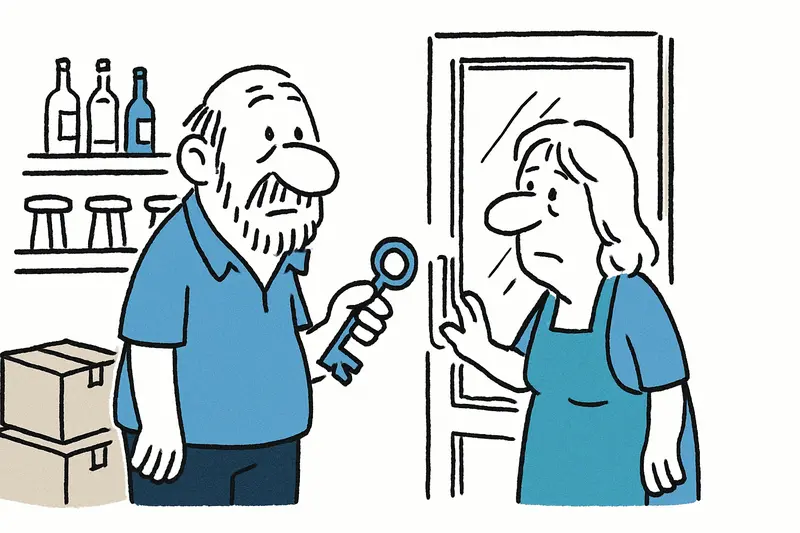
After 29 years Antonio and Jaqueline hand over the keys of Can Comas on Aragón Street. A quiet farewell — and a guiding question: How will Palma protect its everyday places?
End of a Neighborhood Era: Can Comas on Aragón Street Closes After 29 Years
At the end of the week two cardboard boxes sit beside the counter, and a chalkboard bears handwritten words of thanks. No big sign, no celebration with champagne and TV cameras — just the quiet clearing out of a shop that for 29 years was part of daily life on a street in Palma. Antonio Lara and Jaqueline Lasere are closing Can Comas, handing the keys back and retiring.
The Key Question
Why do places like Can Comas disappear — and what can we do so that the gaps are not filled only with a new logo? This question is more than sentimental grief; it touches on municipal decisions, market forces and the relationship between tourism and neighborhood life.
A Place That Held a Lot in Small Ways
Can Comas was never a stage but a kitchen and meeting place: the strong coffee at nine, the clinking of cups, the smell of garlic and roast, roasted suckling pig on Sundays, large paellas, the fideuà that disappeared faster than you could expect. Around 10 p.m. the murmur often turned into an improvised debate — politics, football, the weather, the grandchildren who grew up here. Such rituals give a city continuity; they are not spectacle, but they matter.
Between Nostalgia and Economic Reality
In Palma, traditional shops and bars have been disappearing more frequently in recent years, for example when Mercería Àngela in Palma's Old Town closed after 340 years. The problem cannot be solved by mere regret: rising rents, different priorities of owners, complicated lease agreements and the appeal of tourist concepts put pressure on smaller businesses, and other cases like an iconic pizzeria in Palma's Lonja that was threatened after a fivefold rent increase underline the point. Can Comas was lucky: a successor tenant is ready, but whether he can keep the regulars is uncertain. The fact that the venue does not fall under special protection categories makes the situation more visible.
Aspects Rarely Discussed Out Loud
1) The generational question: operators like Antonio and Jaqueline are often the last link of a family-run business. If there is no clear succession plan, the existence of shrinking everyday places is at risk.
2) Contractual frameworks: many lease agreements allow short-term termination or include turnover-based rents that are unsustainable when customer patterns change.
3) Invisible costs: regulation, hygiene requirements, insurance and modern marketing demands add extra burdens to small kitchens that basically offer simple, honest home-style food.
Concrete Opportunities and Approaches
So that Palma’s streets do not only see branded concepts and short-lived gastro experiments, more than nostalgic appeals is needed. Some pragmatic measures would be:
Municipal protection register: Beyond a 75-year rule the city could introduce a register for living neighborhood places, with easier access to loans and advice. Financial incentives: tax relief or grants for operators who continue traditional cuisine or create training positions. Cooperative models: lease takeovers by employees or neighbors as a cooperative — preserving the social capital. Lease and rent stability: rules limiting short-term rent hikes and promoting succession arrangements.
What Is Possible Now
The next weeks are crucial for Can Comas: residents could form an interest group, talk to the owner or approach local decision-makers, as has been necessary over the planned closure of five municipal kiosks at the end of September 2025. Small, concrete steps — a petition, an open day with discussion rounds, a proposal for a cooperative model — can buy time and show that the bar is more than just a commercial space.
A Quiet Farewell — and an Urban Task
Antonio and Jaqueline want to slow down, spend more time with family, maybe again enjoy an unhurried coffee at the harbour. For Aragón street the memory remains of a place that quietly held a lot together. The farewell is not a scandal, it is a symptom: when Palma’s everyday places disappear, the city loses its texture piece by piece.
The end of Can Comas is an invitation not only to remember but to act. Otherwise more tables will soon be empty, and we will only look for the taste of paella and the voice behind the counter in stories.
Frequently asked questions
Why is Can Comas on Aragón Street in Palma closing after so many years?
What makes traditional bars and small restaurants in Palma disappear?
What kind of food was Can Comas known for in Palma?
Can a local bar in Palma be protected from closure?
What can residents do when a beloved place in Palma is closing?
Is Can Comas on Aragón Street in Palma being replaced by something new?
Why do neighborhood places matter so much in Palma?
What does the closure of Can Comas say about Palma’s future?
Similar News

Suspicion of Date-Rape Drugs in Palma: Trial, Questions and the Gaps in the Protection System
A German man is on trial at the Palma court accused of rape; prosecutors suspect date-rape drugs were involved. What is ...
Raid at Playa de Palma: When Homemade Bars Become a Problem
Between September 11 and 13 police at Playa de Palma seized 18 speakers and issued 24 charges. Who draws the line betwee...
Burglary in Llubí: Arrest Raises Questions About Security in Mallorca's Countryside
A 21-year-old was arrested in connection with a burglary in Llubí. Cash, jewelry and electronics worth around €40,000 we...

Lost Trust: How a Phone Theft in Peguera Exposes Police Responsibilities
A 90-year-old holidaymaker is robbed in broad daylight in Peguera. His passage through police stations and taxi receipts...
When many security screeners suddenly fell ill: Who protects the passenger?
Short-notice sick reports at a large security company led to long queues at Cologne/Bonn airport. A reality check for tr...
More to explore
Discover more interesting content

Can Cap de Bou

Townhouse Lleo 72
