
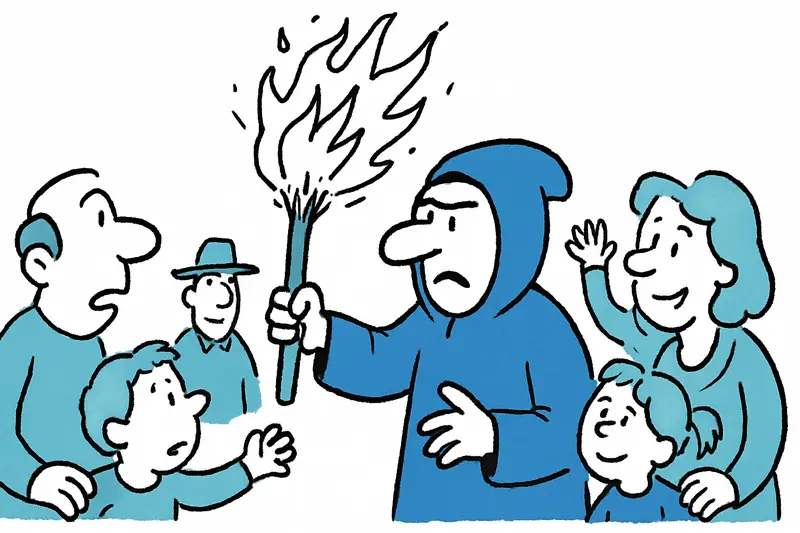
Fire, Sparks, Community: Sant Antoni kicks off in Mallorca's villages
Fire, Sparks, Community: Sant Antoni kicks off in Mallorca's villages
The traditional Sant Antoni fire runs are picking up again: in Sa Pobla, Manacor, Son Servera and Pollença flames flicker tonight — markets, children's runs and late devil runs shape the evenings.
Fire, Sparks, Community: Sant Antoni kicks off in Mallorca's villages
First nights with embers, music and market stalls
In January a cool breeze often blows across Mallorca, but in the villages there is a different kind of crackle now: the first Sant Antoni fire runs are getting under way. January 17 is the saint's name day, and the towns begin the traditional period of devil and fire processions with market stalls and neighborhood gatherings.
Sa Pobla has in recent years become one of the regular meeting points for Sant Antoni. On the Plaza Major, within view of the church, people gather with blankets and thermoses. When the first logs glow, the smell of wood smoke mixes with the distant sound of bells and conversation; older women in warm coats adjust their scarves, youngsters juggle sparklers, and the local brass band plays driving riffs that make feet move.
There is also a fiery atmosphere in Manacor. The fire runs there are not necessarily bigger, but they have their own rhythm: narrow alleys, short flames, gravel crunching under boots. Manacor brings a touch of town life to an almost village-like tradition — people meet in front of the town hall, children run between adults' legs, and some still wear Grandpa's old leather boots.
In the east, in Son Servera, the day starts earlier: from 5:00 pm stalls open with everything related to Sant Antoni. You can find T-shirts with local jokes, hand-painted figures, orange marmalade, and of course everything that grills well. Those who arrive late will miss the spark-spraying devil run at 11:00 pm — there the figures dressed as "dimonis" parade through the streets with spark-spraying rods, and the mood pulses late into the night.
Pollença offers a small but fine program: at 8:00 pm the Joan March gardens are the setting for a children's fire run. There the little ones are allowed to run short distances with small torches under supervision, accompanied by applause and laughter. Later, at 10:30 pm, the adults take over and the routes become a bit more intense, the flames higher and the stories longer.
Such evenings are more than spectacle: they are a practice in community. On street corners you meet people you otherwise only greet briefly; the butcher opposite has prepared an extra batch of sausages, and a neighbor brings a bottle of his homemade Hierbas. On these nights it becomes visible how the island maintains and passes on its customs.
For the island's economy these off-season dates are a small booster. Hotels and restaurants offer additional evening options, craftsmen sell figures and fabrics, and the weekly market gains a second, fiery layer of customers, as in Autumn Festivals in Mallorca: Markets, Sea and a Touch of Fire. It's not a mass rush, rather a human flow of locals and curious visitors who want to see the tradition.
If you want to join in, you should keep a few things in mind: sturdy shoes, warm clothing, distance from the fire sites and respect for the participants. Villagers are proud of their routines and usually watch carefully that everything remains reasonably safe. Small gestures help: put rubbish in the designated bins, keep dogs on a leash, and avoid unnecessary flashlights along the route.
A practical tip: if you want to experience it up close, go on foot or park outside the center. The narrow streets fill up quickly, and the atmosphere is more relaxed when fewer vehicles block the space. It's also worth supporting the local stalls — a small figure or a bag of roasted almonds becomes a memento of one of these nights.
Of course Sant Antoni is also an invitation to observe and join in: you can just stand and watch the shower of sparks and listen to the sounds — children's voices, rhythmic footsteps, a quiet guitar picking nearby — or accompany a procession actively. In many villages the atmosphere is relaxed, friendly and a little mischievous.
In the coming days you can expect more of these events around the island: some villages hold their fire runs on several evenings, others concentrate the program on the weekend around January 17, and nearby towns host other festivities such as Pirates, Drums and Fireworks over the Sea: Santa Ponsa Celebrates. It's worth checking local notices or asking at the town hall if you want to plan precisely.
In the end the image remains: flames briefly lighting faces, threads of smoke in cool air and people drawing closer together. Sant Antoni is not a spectacle for the stage, but a communal campfire that keeps villages warm, tells stories and helps hold the island together.
So if you will be in Sa Pobla, Manacor, Son Servera or Pollença in the next few days — take a jacket, bring curiosity, and respect the local rules. The nights will crackle.
Frequently asked questions
What is Sant Antoni in Mallorca, and why is it celebrated in the villages?
What should I wear to a Sant Antoni celebration in Mallorca?
Is Sant Antoni in Mallorca suitable for families with children?
Do I need to arrive early for Sant Antoni events in Mallorca villages?
What happens during Sant Antoni in Sa Pobla?
What is Sant Antoni like in Manacor?
What time do Sant Antoni events start in Son Servera?
What should visitors know before attending Sant Antoni in Pollença?
Similar News
Injured captain, big plans: Germania Mallorca before the away match in Consell
The newly founded FC Germania Mallorca travels to Consell on Saturday. Captain Bastian Müller is out injured, but coach ...
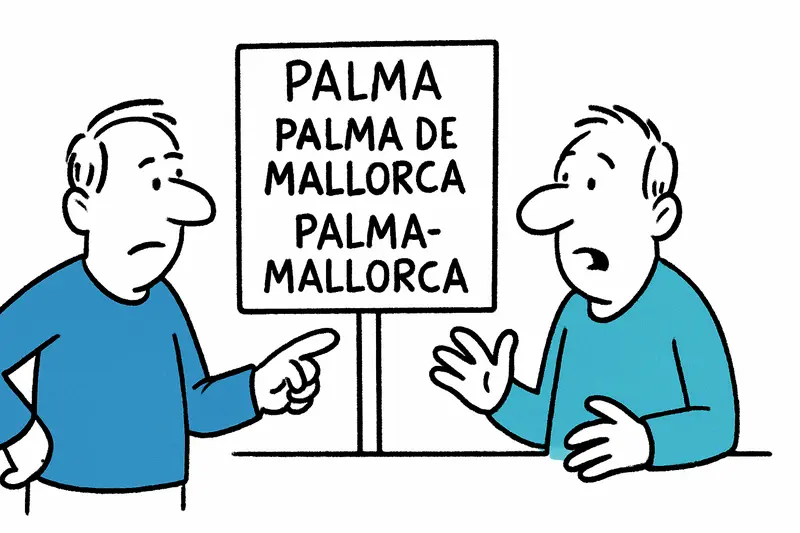
Palma, Palma de Mallorca, Palma‑Mallorca: What is it really about?
The debate over the city's name is more than grammar: it concerns identity, law and branding policy. A sober reality che...
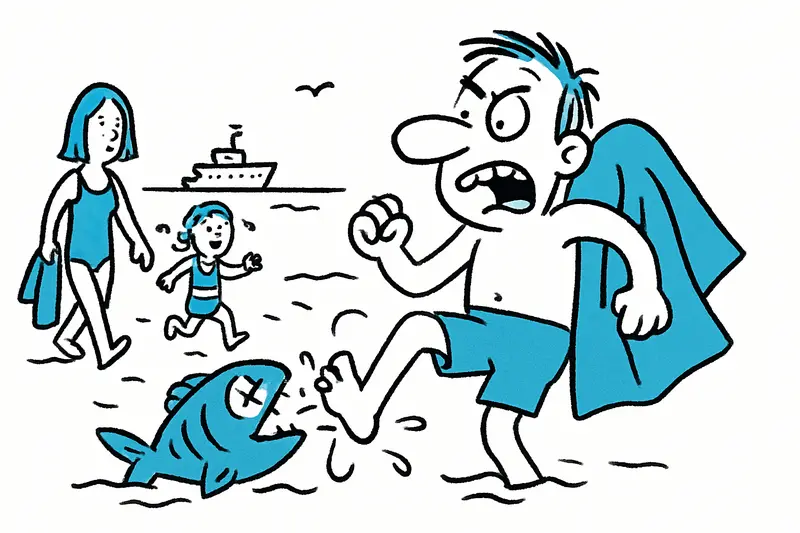
Warning to Bathers: Nipping Fish in Cala Major and Other Coves — a Reality Check
In Cala Major and several beaches around Mallorca, bathers report painful “nips”. Who are the animals, why are they gett...

Rental Car Theft in El Arenal: What This Incident Reveals About Our Gaps
A teenager steals a running rental car in El Arenal, flees on foot, climbs over walls and is caught by the Guardia Civil...
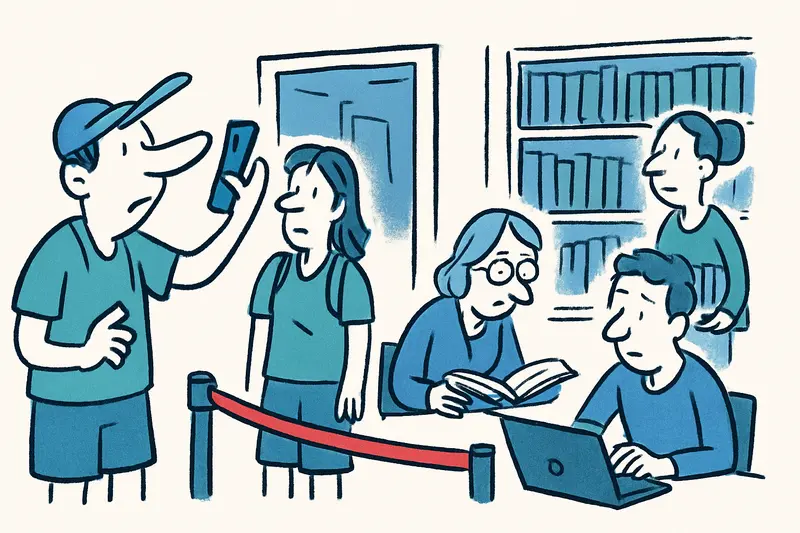
Red Rope in Palma's Library: What Helps Against Selfie Tourism — and What's Missing
Palma's city library cordoned off an area with a red rope to keep selfie tourism away from reading and working activitie...
More to explore
Discover more interesting content

Can Cap de Bou

Townhouse Lleo 72
