
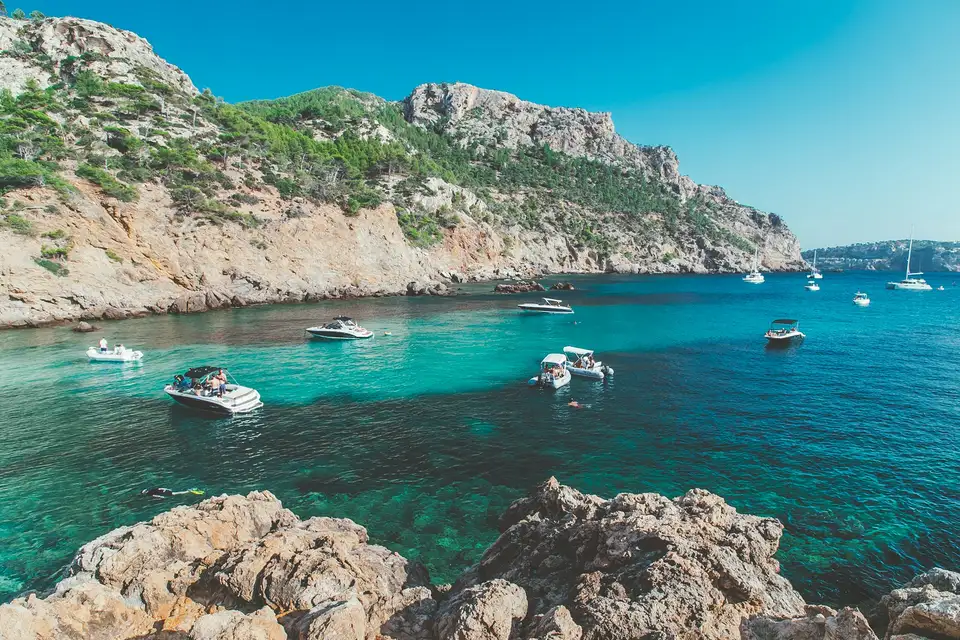
When Water Became a Fountain in Sant Elm: An Accident, a Fleeing Driver and the Question of Driving Fitness in Old Age
In Sant Elm an over-80-year-old driver in a convertible struck a water meter, sending a meter-high fountain into the air. She initially drove on; the car was later found in s'Arracó. What do such cases reveal about safety and precaution on Mallorca?
When Water Became a Fountain in Sant Elm: An Accident, a Fleeing Driver and the Question of Driving Fitness in Old Age
Main question: How do we handle the tension between mobility in old age and public safety?
Late on Monday afternoon in Sant Elm something happened that immediately drew everyone's attention along the coast: a convertible hit a water meter near Cala Conills, a water pipe was torn and a kind of fountain shot up from the ground – residents later spoke of a small geyser. Witnesses report that the driver, a German woman over 80, brushed a neighbor's parked car and then drove off. It was only the next morning that emergency services discovered the convertible in s'Arracó; the vehicle was taken out of service. The police consider as a possible cause that the driver may no longer have been fully fit to drive due to her age.
In short: a lot of water, a damaged meter, an abandoned convertible and the question of responsibility. It almost sounds like a scene told on an afternoon on the harbor promenade: children fascinated by the water display, older walkers counting the boats in the bay, and in the distance the engine noise of an excursion boat, as in other local episodes like Sant Elm: Car slides down the embankment — Driving without a license and insurance raises questions. Sant Elm is a small place where such incidents are immediately noticeable – not only as a disturbance, but as a reminder of how closely everyday life here is intertwined.
Critical analysis: This accident is more than a curious headline. It reveals three weaknesses: first, the vulnerability of our infrastructure (water-bearing installations are often unprotected close to the roadway); second, the risk when older road users left alone lose control in difficult situations; and third, the gap between the incident and consequences – flight after the accident, finding the vehicle the next morning, formal decommissioning, but no immediate intervention on site. The potential for tragedy is shown by incidents such as Car Plunges into Ciutadella Harbor Basin: Who Could Have Prevented It?.
What is missing in the public debate: There is too little discussion of pragmatic solutions that respect the mobility of older people while increasing safety. Debates often remain moralistic: "revoking the driver's license" versus "self-determination." Hardly anyone talks about simple, locally implementable measures such as protective structures around water meters, regular low-threshold driving fitness checks in municipalities, or better networking of neighborhood groups that notice changes in the behavior of older residents earlier.
Concrete solutions for Mallorca: 1) Short term: install protective bollards or small concrete bases at vulnerable water connections so that a collision does not immediately rip open pipes. 2) Medium term: municipal offers for voluntary driving fitness checks – with basic medical examinations and driving training on familiar routes. 3) Long term: a neighborhood network that coordinates visits to seniors, medication deliveries and reports of unusual behavior; this way driving insecurity is noticed earlier. 4) Traffic-related: speed reduction and visible markings in sensitive residential zones like Sant Elm, complemented by information campaigns at town meetings and in popular cafés on the promenade.
None of these proposals aim to take keys out of people's hands. They are meant to prevent the many small misunderstandings that can grow into a big problem: a burst pipe, a spike in winter water use, property damage and risk to other road users.
Everyday scene: Imagine the waterfront promenade in Sant Elm: the smell of fried fish from the bar at the harbor mixes with the salty breeze, pensioners sit on the plaza loudly debating the weather, children play with a ball, and the kiosk owner's dog barks. In such a place a loud hissing from the ground does not go unnoticed – people stop, phones come out, comments are made, there is laughter and worried surprise. Such places are not immune to other coastal hazards, as reported in Tragic Fall in Cala Sant Vicenç: A Wake-Up Call for Greater Coastal Safety. Those immediate impressions matter because long before official files are filled, they set the tone in the community.
What authorities and neighbors can do immediately: If a fountain or water connection is damaged, quickly inform the local utility and cordon off the area. Witnesses should note license plate numbers and inform the police – that helps clarify hit-and-runs faster. At the municipal level, inventories of vulnerable infrastructure points are useful so that technicians can be protected in a targeted way.
To conclude with a pointed summary: the incident in Sant Elm is not an argument against mobility in old age, it is a wake-up call. Mobility must not be a blank check for thoughtlessness; at the same time care must not become disempowerment. On Mallorca, responsible coexistence also means taking small risks seriously and looking for locally practical solutions – before a fountain becomes a greater disaster.
Frequently asked questions
How can Mallorca towns balance mobility for older residents with public safety?
What measures can protect water meters near roads in Mallorca from accidents?
What should you do if you witness a hit-and-run or damaged water infrastructure in Mallorca?
Are there practical ways Mallorca communities can assess driving fitness for seniors without taking away their independence?
How can a Mallorca neighborhood network help monitor seniors and driving safety?
What traffic measures can Mallorca towns use in sensitive residential zones to improve safety?
Why is infrastructure maintenance important in Mallorca’s small towns?
What should visitors know about Mallorca’s coast when planning a trip, including packing and timing for beach days?
Similar News
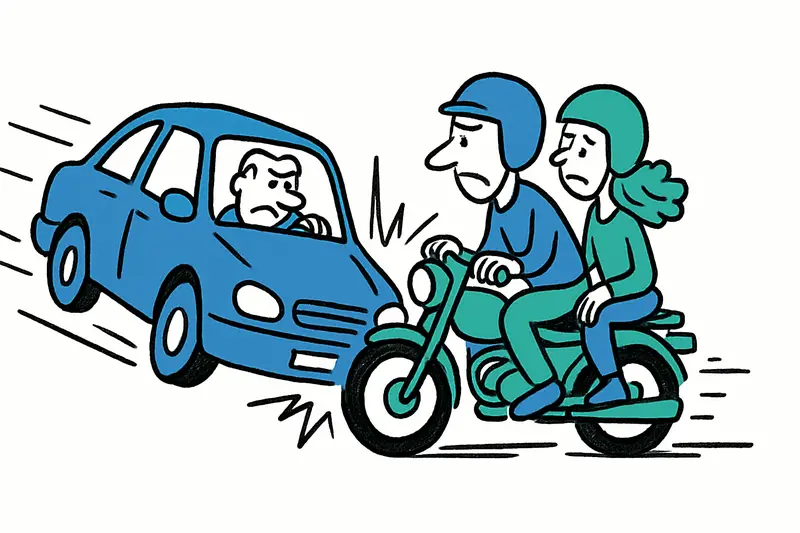
Car drifts into oncoming lane: Passenger seriously injured in collision on MA-1 near Andratx
At midday a car moved into the oncoming lane of the MA-1 at Camí de Son Vich and collided with a motorcycle. The 45-year...
Collision of two high-speed trains near Toledo: How could this happen — and what needs to change?
At least 64 people died when an AVE collided with an Iryo train near Urda. A passenger describes the force of the impact...
How safe are Spain's high-speed lines? After the Toledo accident
Two high-speed trains collided near Urda in the province of Toledo. At least 46 people died. A reality check: technology...
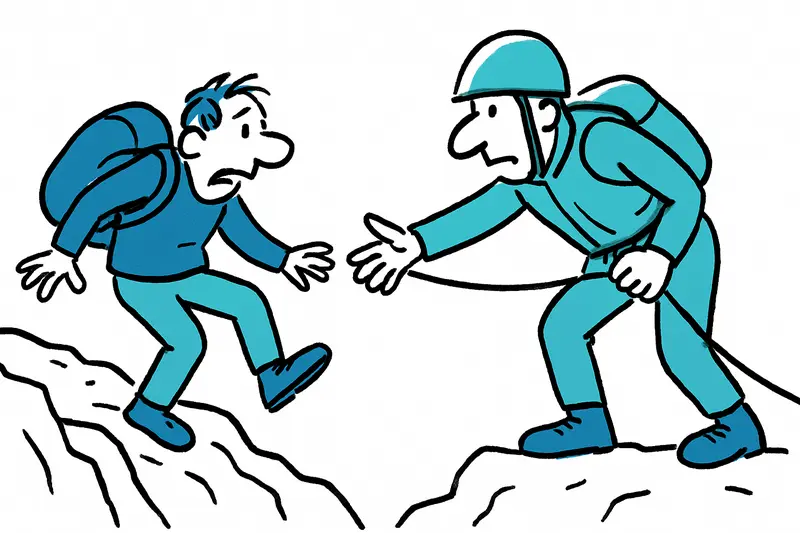
Why Falls in the Torrent de Pareis Are Not Inevitable: A Reality Check After a Rescue Operation
A hiker fell about three meters in the Torrent de Pareis and was airlifted to hospital with severe spinal injuries. Why ...
Celebrities, Padel and Pressure: What Lies Behind the Glitz in Mallorca
Between film premieres, padel coaches and runway demands: why Mallorca's glittering celebrity world exposes problems tha...
More to explore
Discover more interesting content

Can Cap de Bou

Townhouse Lleo 72
