
How 26 Side Mirrors Were Broken in Santa Catalina - a Reality Check
In Santa Catalina, 26 side mirrors were destroyed in a single night. Who protects our streets, and which simple measures would help? A look at the incident, everyday life in the neighborhood, and practical solutions.
How 26 Side Mirrors Were Broken in Santa Catalina - a Reality Check
A man was caught, but the question remains: How could this happen over hundreds of meters?
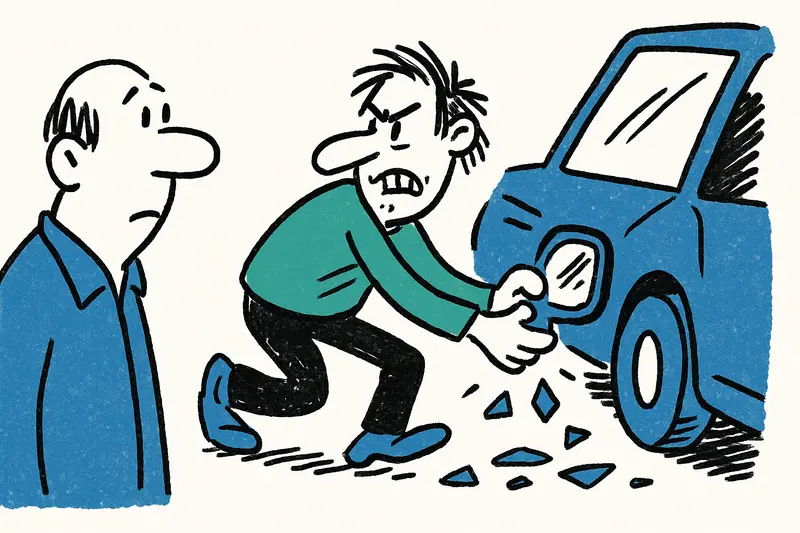
Early Monday morning at around 5:40 a.m., National Police patrols in Santa Catalina discovered a man who had apparently destroyed the side mirrors of numerous parked vehicles. According to current information, 26 vehicles were affected – 25 cars and one motorcycle – and the damage stretches from Plaza Progreso to Calle Antich. An eyewitness reported having seen the damaged mirrors in the suspect's hands before officers intervened.
Key question: How is it possible that in such a busy place as Santa Catalina so many vehicles can be damaged in a short time without earlier intervention?
The answer is multifaceted. Santa Catalina is a neighborhood that lives from the market and the cafes during the day and from the nightlife and terrace culture at night. On the pedestrian street Fábrica, restaurants, bars and small shops line up; tables stay out late, and music mixes with the clinking of glasses. This lively mix attracts people, but it also creates situations in which individuals can walk alone through the neighborhood at night without drawing much attention; this pattern is reflected in other night-time incidents on the island, for example Jaume Anglada after serious accident in Palma: Why Joan Miró is facing renewed criticism. Narrow alleys, parked cars on both sides and the darkness in some side streets create an environment where property damage can occur quickly and relatively undisturbed.
Critical analysis: Three factors converge here. First: visibility. Some sections between Plaza Progreso and Calle Antich are poorly lit at night; shadows in doorways and behind delivery vans provide cover. Second: presence. Foot patrols or plainclothes controls are not continuously present everywhere at this time – the police responded after multiple calls were received, but prevention looks different. Third: reporting channels and points of contact. Vehicle owners who discover damage at night often do not immediately know whom to inform, or they initially estimate the damage as minor and report it late – this creates room for repeat offenders.
What is missing in the current discussion: There is a lot of reporting about the arrest, but little about the consequences for those affected. Who pays for the mirrors? How quickly can repairs be carried out so that residents and the hospitality trade do not suffer from the visual damage? There is also little discussion about how such acts affect people’s sense of security in the neighborhood. A mere arrest does not answer the question of prevention.
A typical everyday observation from Santa Catalina: Around 8 a.m., market vendors arrive with crates at the Mercat, delivery vehicles maneuver through the narrow streets, and breakfast service begins on the terraces. Yesterday I saw a waitress pass a parked car whose right-hand mirror had been temporarily fixed with tape. Such improvised repairs have become part of the scene here – they tell of annoyance, but also of the routine of dealing with small adversities.
Concrete, practical solutions:
1) More targeted foot patrols during night hours: In the short term, targeted patrols in the most sensitive streets between Plaza Progreso and Calle Antich could raise the threshold for would-be offenders.
2) Better lighting in problematic side streets: The city administration can install LED lights in key spots or reorient existing lamps so that dark niches disappear.
3) Neighborhood reporting systems: A simple, locally promoted reporting channel (via a WhatsApp group or a city app) would consolidate reports and inform the police more quickly.
4) Cooperation with local businesses: Restaurants and shops can install cameras where permitted; jointly installed surveillance increases the detection rate and acts as a deterrent.
5) Fast, affordable repair options: A list of garages or mobile glass/mirror repair services that can act quickly and cheaply helps affected people restore the street’s normal appearance and reduces prolonged frustration.
6) Prevention work: Information campaigns about insurance obligations, how to report damage correctly, and tips for visitors and residents could reduce the administrative burden for those affected.
None of these measures is magic; they cost time and some money – but they are targeted and implementable without heavy bureaucracy. The important point is: prevention can be planned, repression alone is not enough.
Punchy conclusion: The arrest of the man was necessary. But Santa Catalina is not an isolated case; similar incidents and arrests have been reported elsewhere, such as Mirador d'es Colomer: Three Arrests — How Safe Are Mallorca's Viewpoints Really?. It reveals a fundamental problem: places that pulse by day and quiet down at night need a different mix of lighting, presence and neighborhood organization. Those who want to live or work here pay not only rent and electricity, but also the right to step onto their own sidewalk without finding the next annoyance in a broken mirror. If we want that, we must act now with lights, patrols, clear reporting channels and a solid list of repair partners. Otherwise, after the report and the arrest all that will be left is tape on the side mirror, and that is not enough.
Frequently asked questions
Why do petty vandalism incidents happen in Santa Catalina, Mallorca, especially at night?
What should I do if I find my car mirror broken in Mallorca?
Is Santa Catalina in Palma safe to walk through late at night?
Why does poor street lighting matter for crime prevention in Mallorca?
How can local businesses help prevent vandalism in Santa Catalina?
Does car mirror damage in Mallorca usually need a police report?
Where in Santa Catalina, Palma did the mirror damage happen?
What is the best time to park in Santa Catalina if I want to avoid problems?
Similar News
Three-ton llaut salvaged in Puerto Portals – volunteers clear microplastics from the harbor
During the weekend operation in Puerto Portals, divers pulled an approximately three-ton llaut from the harbor. Associat...
Naked Pillar in Bunyola: Why a Climbing Prank Is More Than an Accident
During the Sant‑Mateu verbena a 20‑year‑old fell at a protected wayside cross in Bunyola and pulled the stone cross off ...

Towel on It, Chair Gone? How Hotels Can Regulate Reservations of Sun Loungers
After a deadly dispute in Greece, the question has resurfaced in Mallorca: Are hotels allowed to ban or sanction the pra...
Illetas: Police Officer and Two Lifeguards Rescue Two Female Tourists from the Sea
Late on Friday afternoon emergency responders entered the water off the coast of Illetas: a local police officer and two...
Inca: Severely injured female dog found in garbage bags in a container – who has seen anything?
In Inca, a severely injured female dog was discovered wrapped in two garbage bags inside a container on Avenida Rei Jaum...
More to explore
Discover more interesting content

Can Cap de Bou

Townhouse Lleo 72
