
More Than a Bathtub: When the Playa Offers More Heat Than Refreshment
More Than a Bathtub: When the Playa Offers More Heat Than Refreshment
This summer weekend measurements showed: in places up to 31.7 °C in the sea off Mallorca. For many bathers the water is no longer refreshing. Time for a reality check: Why is this happening, what are the consequences — and what's missing from the public debate?
More Than a Bathtub: When the Playa Offers More Heat Than Refreshment
Guiding question: Why do beaches and the sea on Mallorca no longer feel refreshing this summer — and what does that mean for people, nature and tourism?
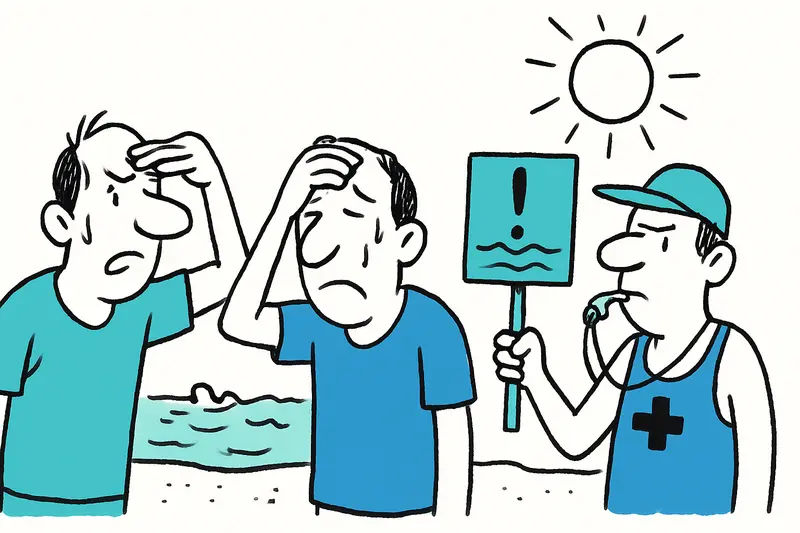
Last weekend people stood at the shore, hand to forehead, shaking their heads. The air shimmered along the promenade in Can Pastilla, a lifeguard whistled twice, and children splashed less often because the water felt like a warm broth. The state port authority recorded local measurements: up to 31.7 °C at Port de Pollença, nearly 30 °C off Andratx and around 29.6 °C at Playa de Palma. For background on recent fluctuations in coastal readings see Sea temperatures off Mallorca drop temporarily — temporary reprieve or false alarm?.
Critical analysis: The immediate cause is several hot days and recurring heat spells that pushed air temperatures above 40 °C (concerns reflected in 40 Degrees This Weekend: Mallorca Faces a Heat Test – What Matters Now). The sea reacts more slowly than the air, stores heat and releases it only gradually. Where the water is shallow and sheltered — bays, wide sandy beaches, harbor areas — temperatures rise even faster. The result is that the usual temperature difference between air and sea, which used to provide relief, is scarcely present anymore.
The consequences are not only subjective dissatisfaction. Warmer water changes the behavior of marine organisms: juvenile fish move into shallower areas in search of food, some species reproduce more quickly, others migrate away. Observations in recent days report more frequent encounters with curious or even apparently aggressive young fish in beach areas. At the same time, the risk of algal blooms and oxygen depletion in stagnant bays increases — events that can damage swimming enjoyment and coastal economies.
What is often missing from the public debate: the everyday perspective of the people who work on our beaches. Beach vendors, boat rental stations, dive schools and lifeguards observe these changes up close. Their concern is not only that guests will leave disappointed, but also that the island will have to adapt to new strains — from changed safety regulations to different business hours (see When Mallorca Cooks: How Prepared Is the Island for the Next Heatwave?). Equally little is discussed about how such temperatures will feel in 10 or 20 years if extreme events become more frequent.
Everyday scene from Mallorca: On the Passeig Marítim in Palma scooters ring, an old man sits on a bench watching the few swimmers; the scent of sunscreen mixes with the smell of frying from a kiosk. Around midday lifeguards hoist a sign with advice on a post: avoid long stays in the blazing sun, remember to drink, watch your children. Still many guests remain disappointed: "You come to cool off, and then the water is almost as hot as the air," says a holidaymaker who is just folding up her towel.
Concrete approaches — short-term and medium- to long-term:
1) Better and faster information policies: Current water temperatures, warnings about algae or changed fish activity and safety tips should be visibly posted at beaches. Supplements via beach apps or QR codes would be easy to implement.
2) Adaptation of beach infrastructure: More shaded areas, drinking water stations at heavily frequented playas and flexible opening hours for lifeguard posts on particularly hot days can reduce strain.
3) Lifeguard and emergency training: Rescuers need training on new phenomena such as increased algal growth, changed currents and dealing with unexpected fish behavior in shallow areas.
4) Monitoring and scientific support: Expanded measurement networks for temperature, oxygen levels and pollutants along the coast provide early signals. Cooperation between ports, environmental authorities and local research groups should be promoted.
5) Strategies for tourism: Providers can develop alternative offerings — early beach hours, night swims, cooler excursions to higher elevations, activities away from direct sun exposure — so that the island becomes less vulnerable to short-term weather caprices (examples discussed in Still going for a swim in Mallorca? Water temperatures and small moments of joy in Autumn 2025).
What is being done now is not enough: the discussion often revolves only around individual complaints from tourists, not structural adaptations. It is time to take this seriously before perception turns into reputational damage and ecosystems suffer tangible harm.
Conclusion, pointed: Those seeking cooling on Mallorca want a sea that still offers a temperature difference. This is not a nostalgic demand, but a matter of safety, recreation and resilience. Politics, the tourism industry and coastal communities must now agree on practical measures — otherwise we will more often find ourselves on shores where the water feels only like a warm bathtub.
Frequently asked questions
What is the best time to visit Mallorca for pleasant weather and smaller crowds?
Can you swim in Mallorca year-round, and what should you expect from the water?
What should I pack for a trip to Mallorca?
How can I get around Mallorca without renting a car?
Are there family-friendly beaches and activities in Mallorca?
What kinds of activities suit different interests when visiting Mallorca?
How can I plan a day in Palma or a scenic drive in Mallorca?
What should I know about sun safety and water activities in Mallorca?
Similar News

More water than last year: Mallorca's reservoirs breathe easier
September rain refilled the Tramuntana's reserves: overall fill around 35 percent, Cúber at 40.42 percent, Gorg Blau at ...

Three Luxury Hotels in Banyalbufar: Lots of Money, Many Questions
A Danish investor plans three exclusive accommodations in Banyalbufar — including the historic Son Valentí. The announce...
2.1 tonnes of cocaine on sailing yacht off Spain's coast – a reality check for the coastguard
A 14-metre yacht was seized with 2.1 tonnes of cocaine. Who monitors the ports, how does the international hunt succeed ...

Heat Bonus in Mallorca: 100 Euros Extra for Outdoor Staff at MarSenses
MarSenses pays employees who worked outdoors in August an extra €100 as recognition. Lighter uniforms, reduced hours for...

Renovating in Mallorca: What You Really Can Do Without Neighbour Consent
Many think they can do whatever they want in their apartment. That's partly true — but only as long as structural elemen...
More to explore
Discover more interesting content

Can Cap de Bou

Townhouse Lleo 72
