
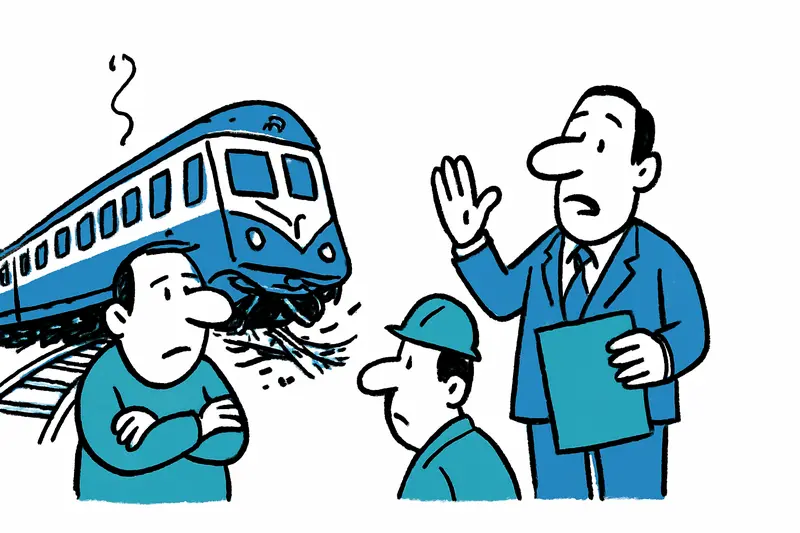
After the accident: How seriously does SFM really take rail safety?
After the accident: How seriously does SFM really take rail safety?
After the Córdoba train crash SFM announces spending for ERTMS and annual track maintenance. A look at gaps in the plan, everyday scenes on the island and concrete steps needed now.
After the accident: How seriously does SFM really take rail safety?
Key question
Is the announced modernization — €51 million for the European Rail Traffic Management System (ERTMS) from 2027 and expanded annual track maintenance — sufficient to significantly reduce the risk of serious accidents on Mallorca? The year 2027 is also mentioned in other SFM plans, discussed in Night trains from 2027? Mallorca's late homecomings under scrutiny.
Critical analysis
The facts are clear: SFM plans to introduce the European traffic control system step by step from 2027, which can automatically slow trains in dangerous situations, and wants to extend track maintenance to annual inspections of the entire network. What is missing, however, is transparency about the scope and schedule of the works. €51 million is a figure, but without a breakdown it remains unclear whether this will fully cover line sections, rolling stock and the necessary system integration. Technical systems like ERTMS consist of trackside equipment, onboard equipment and central control centers; each part needs testing, personnel and long-term maintenance. A system is only as good as its implementation, driver training and ongoing inspection.
What is missing from the public debate
The debate focuses on buzzwords like 'automatic braking' and 'annual maintenance'. Concrete questions are neglected: Who monitors the quality of the work? Are there independent safety auditors? What do the inspection intervals between the annual main checks look like — daily visual checks, track geometry measurements, ultrasonic tests? How are emergency scenarios rehearsed? And: are contingency funds included in the budget for unexpected findings? Without answers to these questions the announcement remains more of a promise than a plan.
Everyday scene from the island
On a morning at Plaça d'Espanya station you hear the familiar clatter of trains, craftsmen carrying toolboxes, commuters arguing about delays in front of the kiosk next to the platform; local reporting questioning whether more staff will solve delays appears in More Staff for Mallorca's Trains: Is That Really Enough?. In Inca a technician inspects signals by the track, an old train driver puts down his coffee cup and says half-jokingly: 'We need more than software; we need reliable eyes on site.' Observations like these show: technology helps, but staff and visible maintenance are the backbone of safety.
Concrete approaches
1) Transparent cost and action list: SFM should publicly break down exactly what the €51 million will be spent on — lines, trains, control center, training, tests. 2) Independent safety audits: External experts must approve each implementation step and publish the results. 3) Phased rollout with pilot lines: Test ERTMS on demanding sections (e.g. winding stretches) before island-wide deployment to find errors early; for an example of recent service adjustments see SFM deploys extra trains between Palma and Inca – safe travel during the Advent season. 4) Staffing and training: Drivers, technicians and control center staff need certified training before going live. 5) Public maintenance log: A dashboard with maintenance records, inspection data and defect resolutions will build trust. 6) Emergency drills: Regular, publicly documented exercises with fire brigade, rescue services and railway staff. 7) Stockpiling: Spare parts for signaling and brake controls should be stored decentrally to avoid supply shortages.
Why rapid implementation matters
On Mallorca the lines are short but busy. A technical failure affects commuters, pupils, craftsmen and tourists alike. A well-thought-out rollout with strict quality assurance not only prevents accidents — it also avoids costly rework and reputational damage. Safety measures must be visible in everyday life, not only on paper.
Concise conclusion
SFM's announced steps are necessary but not yet a guarantee of safety. Those who do not explain how the €51 million is distributed, what the tests will look like and who controls quality, leave the island's people without answers. Technology can brake — responsibility cannot be automated.
Frequently asked questions
Will Mallorca’s trains become safer once SFM introduces ERTMS?
What does annual track maintenance mean for Mallorca’s rail network?
Is €51 million enough to modernize Mallorca’s rail safety system?
What are the biggest safety gaps in Mallorca’s train modernization plans?
How can Mallorca avoid train accidents during the ERTMS rollout?
Why is Plaça d’Espanya station so important for Mallorca rail safety?
What role does Inca play in Mallorca’s rail maintenance checks?
How important are train drivers and technicians for rail safety in Mallorca?
Similar News
Warning to Bathers: Nipping Fish in Cala Major and Other Coves — a Reality Check
In Cala Major and several beaches around Mallorca, bathers report painful “nips”. Who are the animals, why are they gett...
Rental Car Theft in El Arenal: What This Incident Reveals About Our Gaps
A teenager steals a running rental car in El Arenal, flees on foot, climbs over walls and is caught by the Guardia Civil...
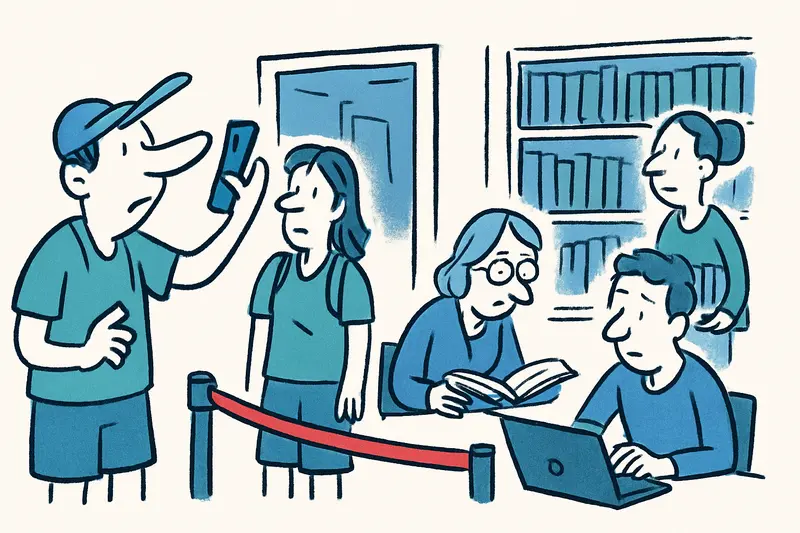
Red Rope in Palma's Library: What Helps Against Selfie Tourism — and What's Missing
Palma's city library cordoned off an area with a red rope to keep selfie tourism away from reading and working activitie...
Fort San Carlos: Museum, Harbor Dispute — and a Conflict That Demands Answers
The military museum at Fort San Carlos sits right on Palma's harbor, with unexpectedly quiet rooms filled with cannons a...
Old Town Under Pressure: When a Doorway Becomes a Sleeping and Shower Place
For months a woman has been living with a parasol, a clothes rack and personal belongings next to the social welfare off...
More to explore
Discover more interesting content

Can Cap de Bou

Townhouse Lleo 72
