
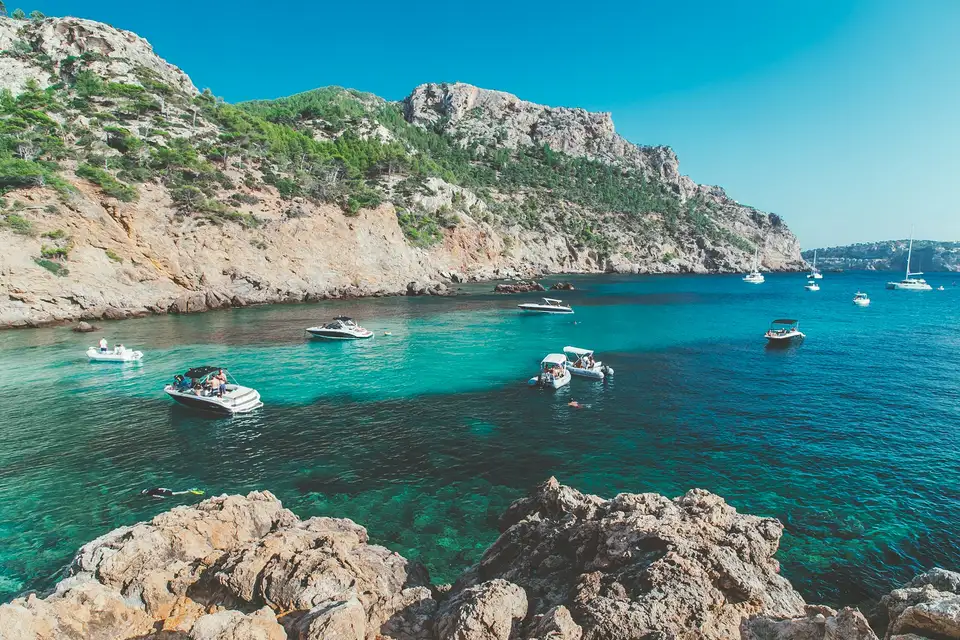
Handover by the Water: Why 'Sharky’s' in Cala Rajada Is Up for Sale Again
A sports bar at Cala Agulla, opened in 2024, closed shortly after, briefly revived in 2026 — now the venue is up for takeover with a traspaso and high rent. What does this say about location, concept and the reality in Mallorca?
Handover by the Water: Why 'Sharky’s' in Cala Rajada Is Up for Sale Again
Anyone strolling along the promenade in Cala Rajada towards Cala Agulla knows the mix of tourist hustle, seagull cries and the occasional smell of fish from the harbour. Between sunbed rentals and souvenir shops sits a venue that has raised more question marks than regulars in recent years: 'Sharky’s'. The venue is currently offered for sale — the requested traspaso is €185,000 and the monthly rent is around €4,000. The exposé states 200 seats, full equipment and "modern technology".
Key question
Can a hospitality concept in a prominent Mallorca location survive when the location advantage meets high fixed costs and the image is shaky?
Critical analysis
The raw numbers make the challenge clear: €4,000 monthly rent is no small sum (see When the Margherita Moves Out: Iconic Pizzeria in Palma's Lonja Faces Closure). Added to that is the required takeover price — a high entry barrier for many founders. A location with room for 200 guests can generate significant revenue in high season, but year-round occupancy is often unstable. Seasonality, strong competition in the beachfront area and changed guest behaviour (higher expectations of gastronomy but also more price sensitivity) mean that a "premium" label alone is not enough.
There are also operational risks: staff, permits for outdoor areas, noise regulations, supply chains and marketing costs. If a business closes shortly after opening and later only reopens sporadically (see Fresh Start in Cala Rajada — Billionaire Myth or New Risk?), that builds little trust among locals and regulars. Reputation cannot simply be bought with a new daily menu.
What is missing from public discourse
On-site conversations often talk a lot about the headlines but little about concrete numbers: What were the actual revenues during the short opening periods? Were lease or contract conditions renegotiated? Were there problems with permits or neighbour complaints? Transparency on these points is often lacking — and potential buyers need exactly that to realistically assess the risk.
Everyday scene from Cala Rajada
On a sunny morning a woman with shopping bags from Carrer de Mallorca sits on the wall, watches fishing boats and sips a coffee. A student on his way to Calle de la Mar says he prefers small bars with cheap tapas; a Spanish family favours local eateries over a sports-focused concept. These small observations show: anyone aiming for the long term must serve residents and seasonal guests, not just Instagram photos.
Concrete approaches
- Rent negotiation: Try to make rent scalable (seasonally tiered) or negotiate an introductory period with reduced rent. A vacant premises earns the landlord nothing; - Flexible concept: Move away from a pure sports bar toward hybrid offerings — daytime café/breakfast, evening football broadcasts, live music or family theme nights in between; - Community anchoring: Partnerships with neighbouring businesses, local events and loyal-customer initiatives build trust (see Ánima Beach up for new lease: Opportunity for a beach classic in Palma); - Professional management: Hire external restaurant managers or experienced tenants for the start-up phase instead of doing everything in-house; - Transparency in the sales exposé: Disclose detailed P&L figures, inventory lists, existing obligations and licence status — this makes the purchase planable for serious buyers.
Punchy conclusion
The location at Cala Agulla is undoubtedly attractive — but location alone doesn't sell drinks or tapas. High fixed costs, uncertainty about actual demand and a damaged image make the takeover risky. For a serious restart you need less show and more groundwork: realistic numbers, a flexible operating concept and genuine interest in the neighbourhood. Otherwise the venue will remain just another beach photo that nobody remembers for long.
Frequently asked questions
Is taking over a Cala Rajada beachfront venue with high fixed costs worth it?
What should I check in a sale exposé for a Mallorca venue?
How can a sports-bar concept succeed on Mallorca's coast if it isn’t just about football?
Why are local partnerships important for Cala Rajada restaurants?
What are the seasonal challenges of running a 200-seat venue on Mallorca’s coast?
What strategies can help manage high rent for Mallorca venues?
What operational risks should I review before buying a Mallorca venue?
What counts as a credible restart plan for a Cala Rajada location?
Similar News

Sant Salvador: The Christ That Becomes a Touchstone for Memory Politics
A statue, 33 applicants and a ministry under review: Why the crowned Christ on the mesa near Felanitx has suddenly becom...

Why the yacht "Sasha I" remains in Palma — a reality check
The luxury yacht "Sasha I" has been held in Palma since 2023. Spanish authorities maintain the seizure despite a propert...

Curious Derby: When the Away Game Is Only 150 Meters Away
On Saturday FC Germania Mallorca meets U.D. Pla de na Tesa — a local derby that is effectively decided on the doorstep. ...

Protection failed? A murder in Coll d'en Rabassa and the gaps within
A jury found a man responsible for his partner's death: 66 stab wounds, the crime carried out in front of their shared d...
Palma opens s’Aigua Dolça: New sports centre opens on October 15
The new municipal sports facility s’Aigua Dolça above the Paseo Marítimo opens on October 15 in several stages. Initiall...
More to explore
Discover more interesting content

Can Cap de Bou

Townhouse Lleo 72
